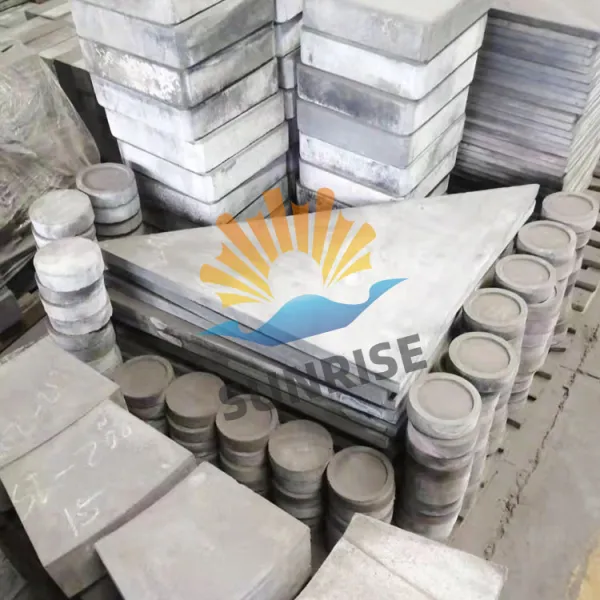
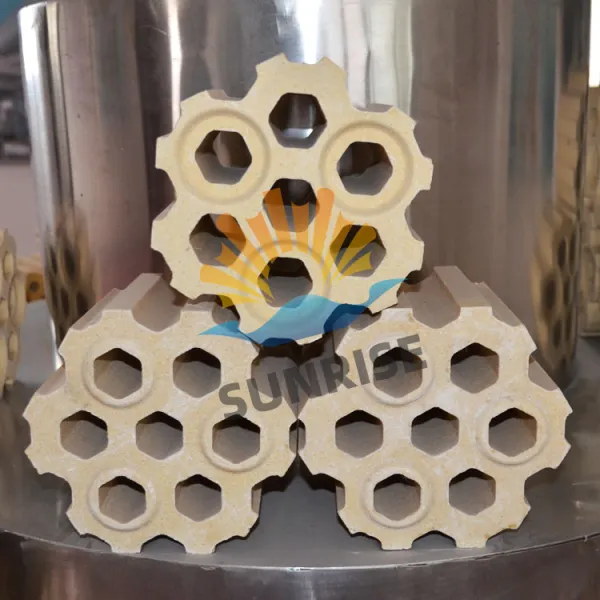
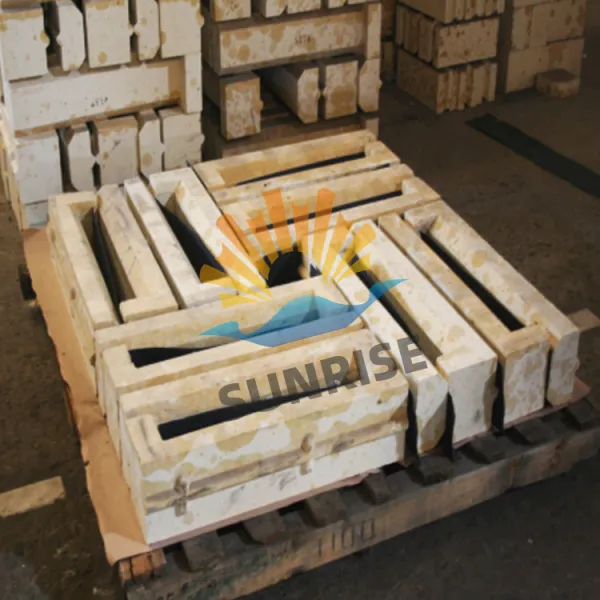
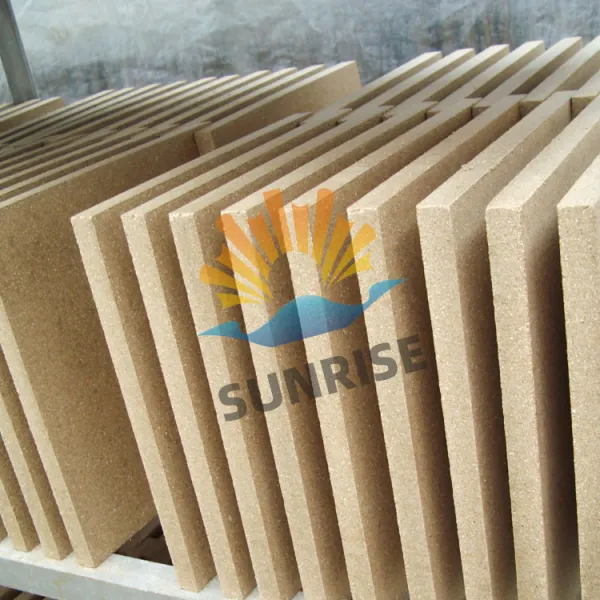
The steel industry's transition to higher hot-blast temperatures in blast furnaces has imposed unprecedented challenges on refractory linings. Traditional fireclay bricks and high-alumina bricks, once the standard, now succumb to shortened service lives, frequent repairs, and increased operational costs under intensified thermal stress. This pressure to upgrade has propelled thermal conductivity silicon bricks (heat-conductive silicon bricks) into the spotlight as a game-changing solution for high-temperature furnace zones.
Thermal conductivity silicon bricks possess an exceptional combination of physical and chemical properties that address the harsh environments found in blast furnaces operating beyond 1300°C hot-blast temperatures. Their ultra-high refractoriness (>1770°C), minimal creep deformation (<0.1% after 100 hours at 1400°C), and outstanding thermal stability reduce structural fatigue caused by thermal cycling. The innate low thermal expansion coefficient (<4×10⁻⁶ /°C) prevents crack propagation during repeated heating and cooling cycles common in blast furnace operation.
| Property | Fireclay Brick | High-Alumina Brick | Thermal Conductivity Silicon Brick |
|---|---|---|---|
| Refractoriness (°C) | 1600 | 1750 | >1770 |
| Creep Deformation (100h @ 1400°C, %) | 0.4 | 0.2 | <0.1 |
| Thermal Expansion Coeff. (10-6/°C) | 6–8 | 5–6 | <4 |
| Average Service Life (Months) | 6–8 | 9–12 | 18–24 |
| Maintenance Frequency (Times/Year) | 4+ | 2–3 | 1 or less |
The numbers clearly highlight how silicon bricks extend operational uptime by up to twice that of fireclay bricks, while slashing maintenance events by over 50%. This translates directly into cost savings on refractory replacement, labor, and furnace downtime — paramount considerations for blast furnace operators seeking reliable high-temperature lining solutions.
A leading steel producer in Europe upgraded their blast furnace hot-blast stove linings from traditional fireclay bricks to thermal conductivity silicon bricks in mid-2022. Over 18 months, the furnace recorded a 30% reduction in unplanned maintenance outages, a 15% improvement in thermal efficiency due to superior heat transfer, and an estimated $600,000 annual saving in refractory costs and labor. Furthermore, the silicone bricks’ stability under 1400–1450°C continuous exposure markedly improved the furnace’s structural integrity and prolonged the interval between relines.
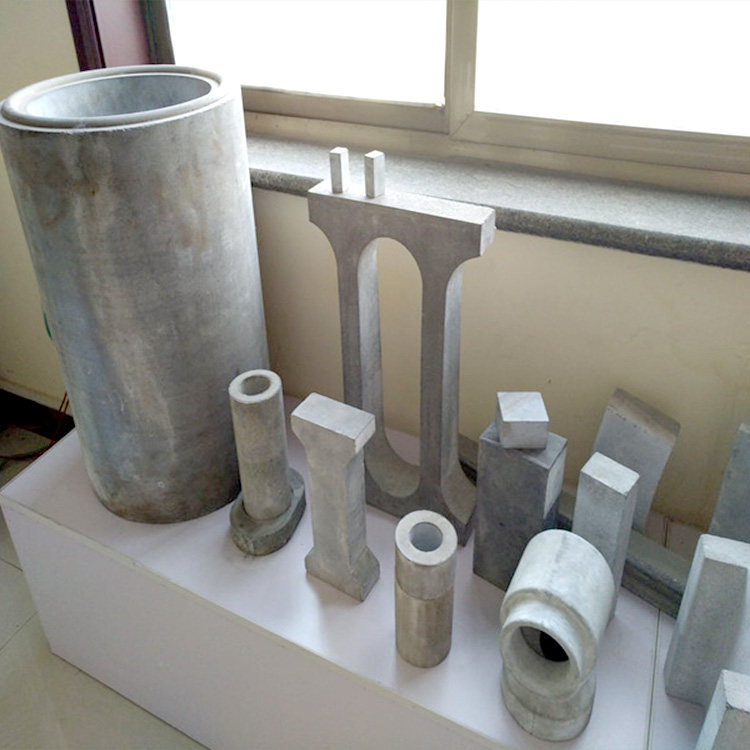
In an industry where every percentage point boost in uptime translates to millions in revenue, investing in high-performance refractory materials like thermal conductivity silicon bricks is decisive. This solution transcends incremental improvement, representing a technology leap that reconciles endurance with operational efficiency.
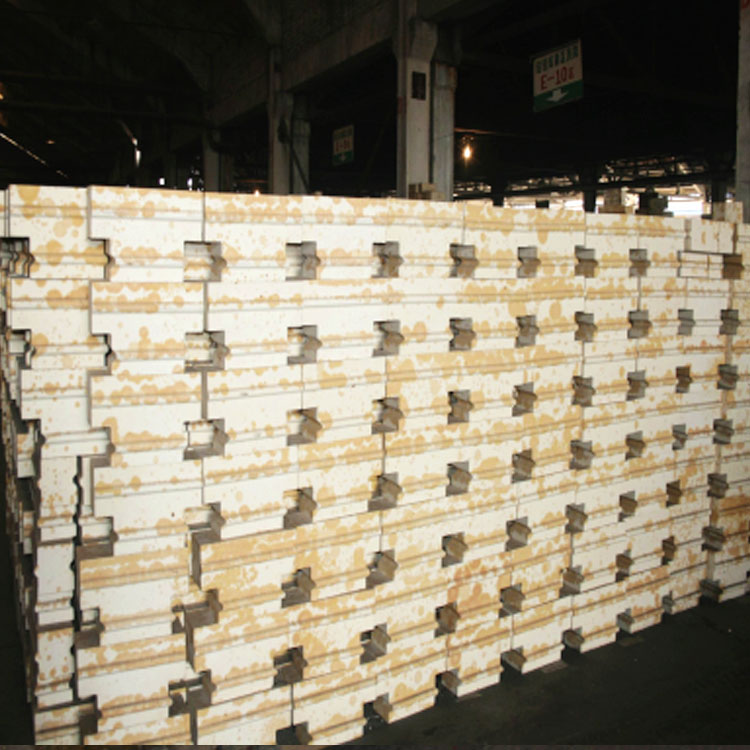
Discover How Thermal Conductivity Silicon Bricks Can Transform Your Furnace Performance
© 2024 Advanced Refractory Solutions. All rights reserved.