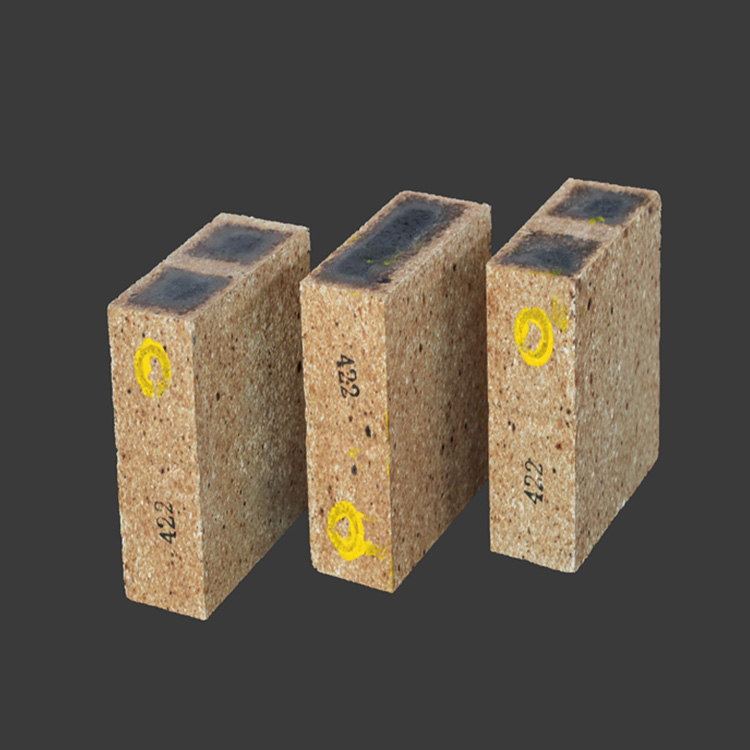
Silicon Nitride Bonded Silicon Carbide (SiSiC) bricks have emerged as a high-performance refractory material extensively favored across global heavy industries. Particularly dominant in non-ferrous mining, metallurgical blast furnaces, and ceramics manufacturing, these advanced bricks offer unmatched durability and thermal efficiency. This article analyzes their core technical advantages, supported by authoritative test data, explores global market reception, and highlights real-world applications that demonstrate their prime value in demanding industrial environments.
In sectors where extreme heat, corrosive atmospheres, and mechanical stress are daily challenges, the reliability of refractory materials defines operational efficiency and cost control. Silicon nitride bonded silicon carbide bricks stand out due to their:
These properties are critical across non-ferrous mining, where exposure to aggressive slags is intense; metallurgical blast furnaces, which demand materials that maintain integrity at temperatures exceeding 1600°C; and ceramic production environments requiring materials that combine heat endurance with mechanical stability.
| Property | SiSiC Bricks | Traditional Fire Bricks |
|---|---|---|
| Flexural Strength (MPa) | 75–110 | 20–35 |
| Thermal Conductivity (W/m·K) | 60–85 | 5–15 |
| Thermal Shock Resistance (Cycles) | >50 | <10 |
| Corrosion Loss (mm/year) | <2 | >7 |
Independent testing by organizations such as TÜV Rheinland and SGS confirms these outstanding benchmarks, validating the product’s stability under continuous thermal and mechanical stress. Such data-driven assurances provide decision-makers with credible confidence in selecting SiSiC bricks over traditional refractory options.
Over the past five years, SiSiC bricks have gained significant traction internationally:
These trends reflect a strong international endorsement of SiSiC bricks, validated by multi-continental sales growth exceeding 20% annually in relevant sectors.
Case 1: Non-Ferrous Mining Smelting Plant, Germany
After replacing conventional firebricks with silicon nitride bonded silicon carbide bricks, the plant reported a 35% increase in furnace lifespan and a 15% improvement in energy efficiency during smelting cycles. This translated into savings of approximately $500,000 annually due to reduced downtime and lower energy consumption.
Case 2: Ceramic Kiln Manufacturer, China
A leading kiln manufacturer observed a 20% enhancement in kiln productivity and a 10% decrease in maintenance costs across three factories utilizing SiSiC bricks in kiln linings. Improved thermal uniformity contributed to elevated ceramic quality and yield.
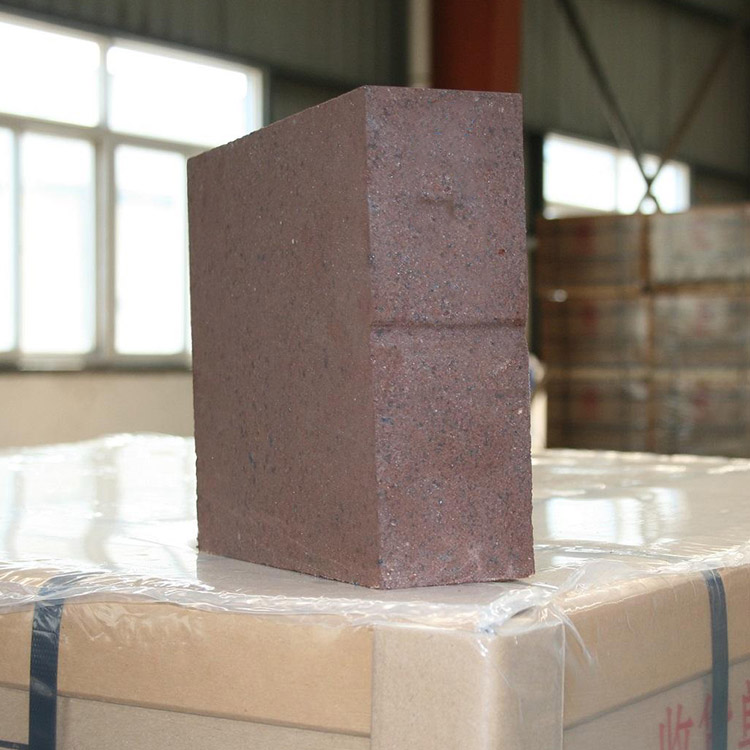
Such examples underscore tangible operational benefits that are critical to industrial buyers balancing performance with long-term cost-efficiency.
The unique synergy of silicon nitride’s strong bonding with silicon carbide’s hardness delivers a refractory brick that consistently outperforms general alternatives. Its resilience in thermal shock and corrosion reduces furnace downtime, increases output stability, and lowers hazardous maintenance interventions.
For procurement specialists and plant managers aiming for sustainable operational upgrades, investing in SiSiC bricks offers a pathway to superior process reliability and competitive advantage in global markets.
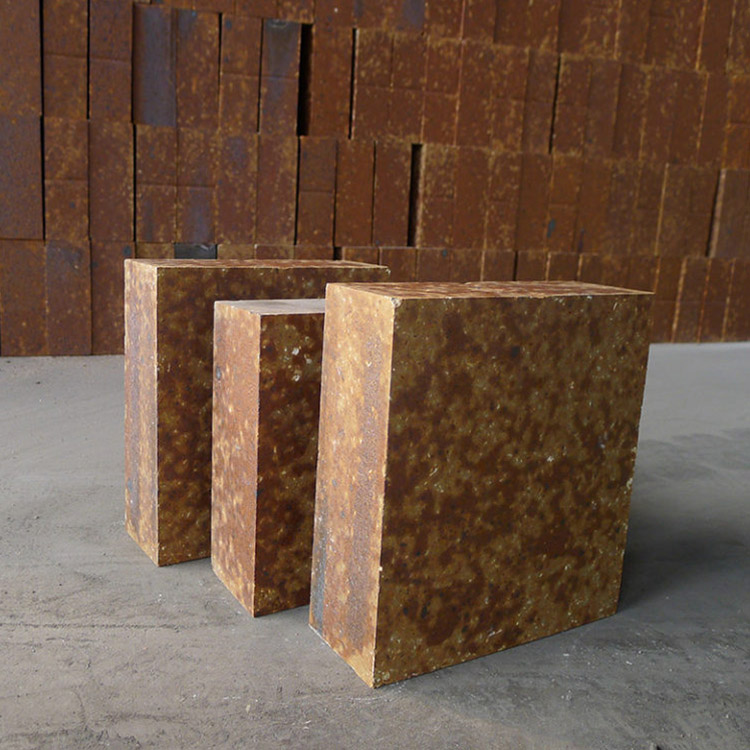
To explore how next-generation refractory materials like silicon nitride bonded silicon carbide bricks can optimize your industrial processes, Discover tailored solutions for your industry needs today.