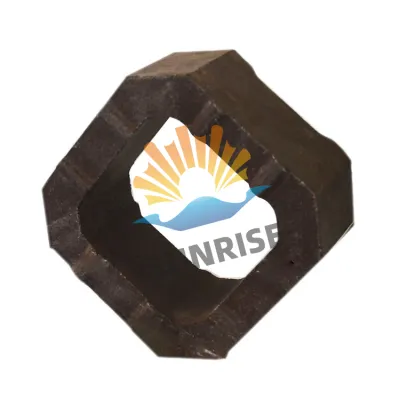
In high-temperature industrial environments like glass manufacturing, refractory materials face relentless challenges—thermal shock, chemical erosion, and slag penetration. These issues not only shorten furnace life but also increase downtime costs and maintenance expenses. That’s why more than 72% of global glass producers now prioritize standard magnesia-chrome brick over traditional alternatives, according to a 2023 industry survey by the International Refractories Association.
Standard magnesia-chrome brick delivers consistent performance under extreme conditions due to its unique composition:
| Property | Magnesia-Chrome Brick | Basic Magnesia Brick |
|---|---|---|
| Lifespan (years) | 2.0–3.0 | 1.0–1.5 |
| Thermal Conductivity (W/m·K) | 1.5–2.0 | 2.2–2.8 |
| Slag Resistance Rating | Excellent (Class A) | Moderate (Class B) |
“After switching to standard magnesia-chrome brick in our float glass furnace, we reduced unplanned shutdowns by 45%, extended kiln life by 30%, and saved €180k annually in maintenance and replacement costs.” — Thomas Müller, Head of Production, ECOGLASS GmbH, Germany
This case highlights how the material’s durability directly translates into lower operational risk and higher ROI—a key reason it's becoming the preferred choice across North America, Asia, and the Middle East.
If you're looking to reduce downtime, improve energy efficiency, or extend your furnace’s productive lifespan, understanding the technical edge of standard magnesia-chrome brick is essential. Whether you're managing a small-scale melting tank or a large-scale continuous furnace, this solution offers measurable benefits backed by real-world data.