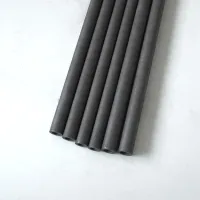
In the competitive world of aluminum smelting, energy efficiency isn’t just a goal—it’s a survival strategy. With electricity accounting for nearly 40% of total operating costs in electrolytic cells, even small improvements in thermal insulation can translate into massive savings across large-scale facilities.
Most conventional refractory materials degrade above 800°C, leading to increased heat loss and accelerated wear on cell linings. In contrast, our proprietary vermiculite insulation panels are engineered to withstand sustained temperatures up to 1050°C, maintaining structural integrity while reducing conductivity by up to 35% compared to standard ceramic fiber boards.
The secret? A unique high-temperature purification process that removes impurities like iron oxide and moisture, which otherwise act as thermal bridges—causing localized hot spots and premature failure. This results in a more uniform temperature profile inside the cell, improving both safety and performance.
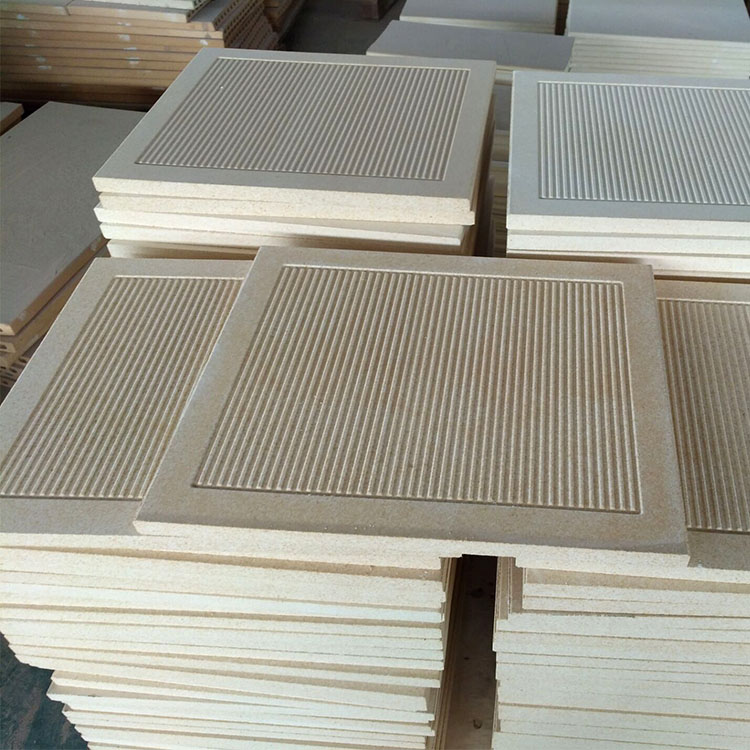
At a major aluminum plant in Saudi Arabia, after replacing traditional insulation with vermiculite panels across 12 potlines, operators reported:
These gains weren’t just theoretical—they were validated through monthly utility audits and internal KPI tracking. The return on investment (ROI) averaged 11 months across all sites using this solution.

When you reduce thermal stress on your cell structure, you’re not only saving power—you’re protecting one of your most valuable assets: the electrolytic cell itself. Our clients consistently report fewer cold spots, less electrolyte leakage, and improved current efficiency due to better thermal control.
This is especially critical in regions like the Middle East, where ambient temperatures exceed 45°C during peak summer months—where poor insulation leads to rapid heat loss and inconsistent production quality.
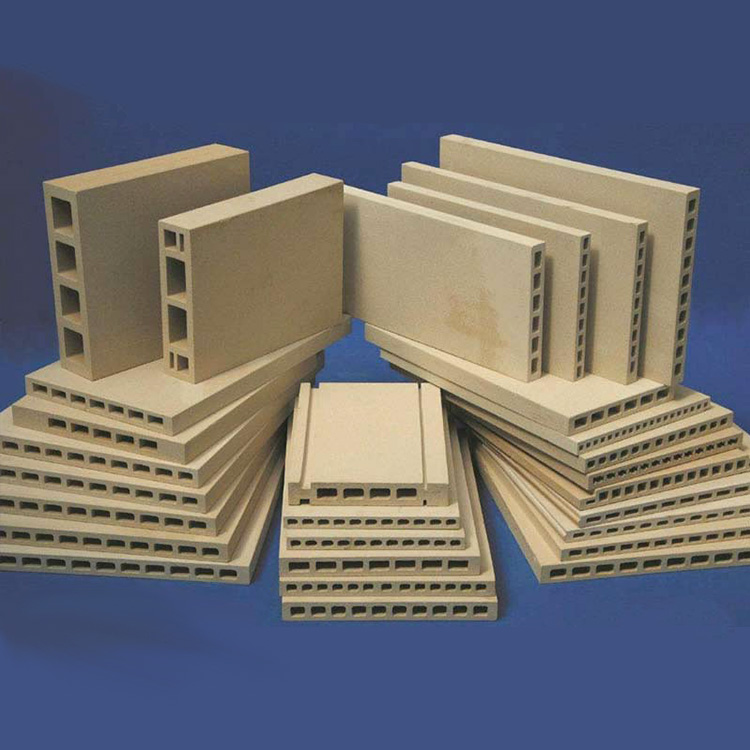
If your facility is still relying on outdated insulation methods—or if you're exploring ways to meet global ESG standards while cutting costs—this could be the breakthrough you've been waiting for.
Get a free technical assessment tailored to your plant’s specific conditions—including estimated energy savings, ROI timeline, and installation guidance.
Download the Full Case Study & Request Your Free Consultation.jpg?x-oss-process=image/resize,h_600,m_lfit/format,webp)
 150
|
150
|
 Directly Bonded Magnesia-Chrome Bricks
High-Temperature Strength
Refractory Materials for Metallurgy and Glass Industries
Directly Bonded Magnesia-Chrome Bricks
High-Temperature Strength
Refractory Materials for Metallurgy and Glass Industries
 210
|
Silicon nitride bonded silicon carbide bricks
Refractory materials
Non-ferrous mine refractory bricks
Metallurgical blast furnace refractory materials
Ceramic industry refractory bricks
210
|
Silicon nitride bonded silicon carbide bricks
Refractory materials
Non-ferrous mine refractory bricks
Metallurgical blast furnace refractory materials
Ceramic industry refractory bricks
 158
|
Directly bonded magnesia-chrome bricks
Refractory materials
Industrial furnace service life
Magnesia-chrome brick performance
Refractory innovation
158
|
Directly bonded magnesia-chrome bricks
Refractory materials
Industrial furnace service life
Magnesia-chrome brick performance
Refractory innovation
 207
|
nitride-bonded silicon carbide brick
high-temperature refractory materials
blast furnace lining
ceramic kiln refractories
non-ferrous smelting refractory
207
|
nitride-bonded silicon carbide brick
high-temperature refractory materials
blast furnace lining
ceramic kiln refractories
non-ferrous smelting refractory
.jpg?x-oss-process=image/resize,h_600,m_lfit/format,webp) 165
|
ordinary magnesia-chrome bricks
high-temperature industrial materials
thermal shock stability
165
|
ordinary magnesia-chrome bricks
high-temperature industrial materials
thermal shock stability
.jpg?x-oss-process=image/resize,m_fill,h_200,w_200/format,webp)
.jpg?x-oss-process=image/resize,m_fill,h_200,w_200/format,webp)