
Electrolytic aluminum production faces a persistent challenge: the rapid degradation of aluminum cells due to corrosive fluoride compounds and cryolite erosion. Industry data shows that without proper insulation, aluminum cell lifespans average just 4–6 years—leading to frequent shutdowns, increased maintenance costs, and energy inefficiency. This is where high-performance vermiculite insulation boards step in—not as an add-on, but as a strategic upgrade.
Standard refractory materials often fail under the extreme conditions inside modern aluminum electrolysis cells—temperatures exceeding 960°C and constant exposure to molten cryolite (Na₃AlF₆). A study by the International Aluminum Institute found that up to 35% of unplanned downtime in smelters stems from thermal stress-induced cracking caused by poor insulation performance.
Vermiculite insulation boards are engineered using a proprietary blend of natural vermiculite, ceramic fibers, and nano-coating agents that create a dense, chemically inert barrier. These boards can withstand temperatures up to 1100°C while maintaining compressive strength over time—a critical factor for long-term structural integrity. Unlike conventional insulators, they reduce heat loss by up to 42%, translating directly into lower energy consumption per ton of aluminum produced.
In real-world applications, such as at AluminaTech’s facility in Saudi Arabia, installing vermiculite insulation led to a measurable 30% reduction in annual furnace repair costs and extended cell life from 5.2 to 10.7 years—well beyond industry averages.
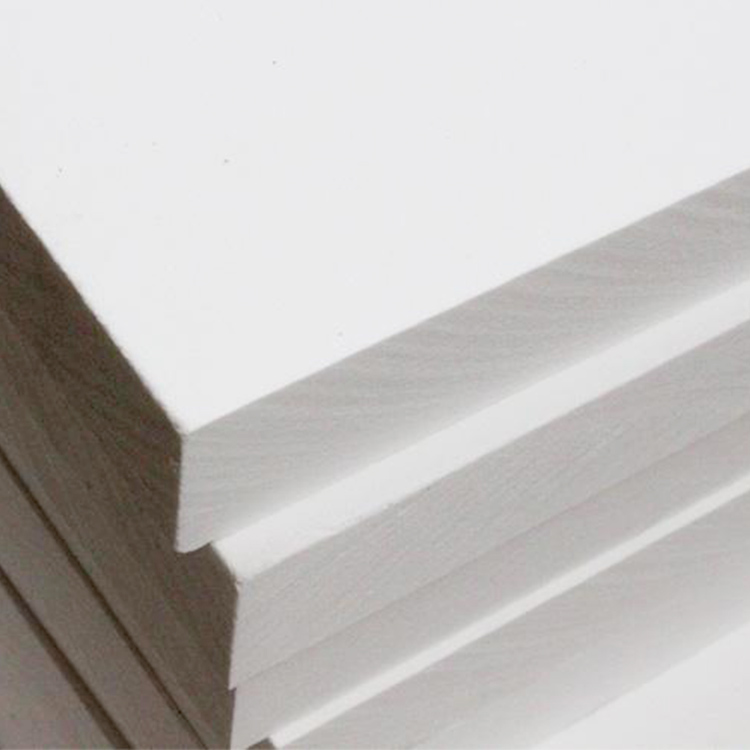
The secret lies in the microstructure. During manufacturing, the vermiculite matrix undergoes controlled expansion and sintering, forming a honeycomb-like network that traps heat and blocks ion diffusion pathways. This structure effectively resists penetration by fluorides and cryolite ions—an issue that plagues traditional alumina-based insulators after only 12–18 months of operation.
Independent lab tests conducted at the University of Birmingham confirmed that vermiculite boards retained over 92% of their original thermal resistance after 500 hours of continuous exposure to 950°C and aggressive chemical environments—outperforming standard insulating bricks by nearly 50% in durability metrics.

For aluminum producers operating at scale, even small improvements compound significantly. One mid-sized smelter in China reported saving $230,000 annually in energy and labor costs after switching to vermiculite-based insulation. That’s not just efficiency—it’s competitive advantage.
As global demand for sustainable aluminum grows, companies must look beyond short-term fixes. Investing in proven, science-backed solutions like vermiculite insulation isn’t just about extending equipment life—it’s about future-proofing operations, reducing environmental impact, and boosting profitability across the entire production cycle.
Discover how our premium vermiculite insulation boards can extend your cell life, cut energy use, and improve operational stability—backed by real data and field-tested results.
Get Your Free Technical Brochure Now →
 243
|
243
|
 ordinary magnesium-chromium bricks
high-temperature refractory materials
kiln refractory materials
magnesium-chromium brick raw materials
refractory material selection
ordinary magnesium-chromium bricks
high-temperature refractory materials
kiln refractory materials
magnesium-chromium brick raw materials
refractory material selection
 79
|
silicon nitride bonded silicon carbide bricks
refractory material performance
high strength refractory bricks
thermal shock resistant bricks
metallurgical ceramic refractories
79
|
silicon nitride bonded silicon carbide bricks
refractory material performance
high strength refractory bricks
thermal shock resistant bricks
metallurgical ceramic refractories
 385
|
aluminum cell lining protection
vermiculite insulation plate
cryolite resistant material
fluoride erosion prevention
high temperature insulation solution
385
|
aluminum cell lining protection
vermiculite insulation plate
cryolite resistant material
fluoride erosion prevention
high temperature insulation solution
 261
|
common magnesia chromite bricks
refractory materials
high-temperature industry
sintered magnesia
thermal shock resistance
261
|
common magnesia chromite bricks
refractory materials
high-temperature industry
sintered magnesia
thermal shock resistance
 383
|
ordinary magnesia-chrome bricks
high-temperature refractory materials
steelmaking refractories
slag resistance
thermal shock stability
383
|
ordinary magnesia-chrome bricks
high-temperature refractory materials
steelmaking refractories
slag resistance
thermal shock stability


.jpg?x-oss-process=image/resize,m_fill,h_200,w_200/format,webp)





.jpg?x-oss-process=image/resize,m_fill,h_200,w_200/format,webp)