In today’s aluminum production landscape, energy costs and equipment wear are top concerns for plant managers. Traditional insulation materials often fail under extreme temperatures—leading to heat loss, higher electricity bills, and frequent maintenance. But what if there was a solution that not only seals the heat but also extends your electrolytic cell life by over 10 years?
“The real breakthrough in industrial insulation isn’t just about reducing thermal conductivity—it’s about creating a system where every watt saved translates into operational resilience.”
— Dr. Lena Müller, Senior Materials Engineer at Fraunhofer Institute for Ceramic Technologies
Most refractory insulators degrade above 800°C, leading to up to 25% more energy consumption per ton of aluminum produced. They also lack resistance to corrosive chemicals like cryolite and fluorides—common in smelting processes—which accelerates lining failure and unplanned downtime.
Take one major Chinese aluminum producer: after switching to vermiculite boards in their 120-cell facility, they reported annual savings of over 12 million kWh, with maintenance intervals increasing from 6 months to 18 months—a 60% reduction in labor and material costs.
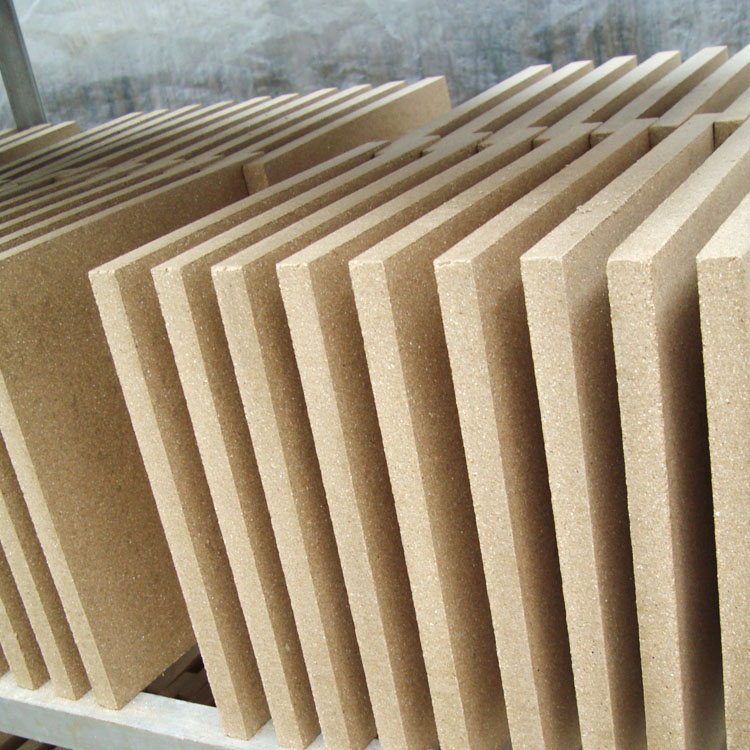
With China’s “Dual Carbon” policy pushing for greener manufacturing and EU Green Deal enforcing strict emissions standards, companies must act now. Using vermiculite boards helps meet ISO 50001 energy management requirements and boosts chances of green factory certification.
Your aluminum plant doesn’t need another band-aid fix—it needs a transformational upgrade. Are you still losing power through outdated insulation? If so, you’re likely paying more than necessary—and risking compliance issues down the line.
“Not just insulation—this is an energy revolution. Every kilowatt-hour saved becomes a profit driver.”
— Real-world feedback from a Tier-1 aluminum manufacturer in Brazil
 399
|
399
|
 High - purity silica bricks
Coke oven refractory materials
Silica brick performance comparison
Silica dioxide content
Coke oven life extension
High - purity silica bricks
Coke oven refractory materials
Silica brick performance comparison
Silica dioxide content
Coke oven life extension
 66
|
silicon nitride bonded silicon carbide brick
high thermal conductivity refractory
thermal shock resistance in refractories
refractory lifespan improvement
non-ferrous metallurgy refractory
66
|
silicon nitride bonded silicon carbide brick
high thermal conductivity refractory
thermal shock resistance in refractories
refractory lifespan improvement
non-ferrous metallurgy refractory
 415
|
heat wind furnace conductive silica bricks
blast furnace refractory materials
silica-based refractory products
high-temperature refractory bricks
blast furnace energy efficiency
415
|
heat wind furnace conductive silica bricks
blast furnace refractory materials
silica-based refractory products
high-temperature refractory bricks
blast furnace energy efficiency
 299
|
direct bonded magnesia chrome brick
high temperature refractory
industrial furnace lining
thermal stability
refractory brick performance
299
|
direct bonded magnesia chrome brick
high temperature refractory
industrial furnace lining
thermal stability
refractory brick performance
.jpg?x-oss-process=image/resize,h_600,m_lfit/format,webp) 324
|
magnesia-chrome bricks
high-temperature industrial applications
thermal shock stability
324
|
magnesia-chrome bricks
high-temperature industrial applications
thermal shock stability



.jpg?x-oss-process=image/resize,m_fill,h_200,w_200/format,webp)


.jpg?x-oss-process=image/resize,m_fill,h_200,w_200/format,webp)