In the highly demanding environment of electrolytic aluminum production, equipment durability and operational stability are paramount. Electrolytic aluminum cells are continually exposed to aggressive chemical corrosion, particularly from fluoride compounds and cryolite (Na₃AlF₆), leading to frequent maintenance and costly downtimes. This article explores an innovative solution — vermiculite insulation boards — designed with advanced formulations and processing technologies to significantly resist fluoride erosion, extending the service life of aluminum electrolytic cells beyond a decade.
Vermiculite, a naturally occurring hydrated laminar mineral, forms the core raw material of these insulation boards. Known for its excellent thermal stability, vermiculite can withstand continuous operating temperatures up to 1100°C, making it highly suited for electrolytic cell linings. The high-temperature purification process enhances its crystallinity and mechanical strength, ensuring the insulation boards maintain structural integrity under harsh thermal and chemical stress.
The vermiculite insulation boards employ a proprietary formula with enhanced resistance to aggressive fluoride ions and molten cryolite. Unlike conventional refractory materials that suffer infiltration and wetting by molten aluminum, these boards exhibit hydrophobic surface characteristics that prevent such infiltration. Consequently, the aluminum do not degrade the insulation interface, drastically reducing material loss and structural weakening.
Laboratory simulations and on-site evaluations reveal up to a 65% reduction in corrosion rate compared with traditional insulation materials after 3 years of continuous operation. This is achieved by minimizing ion diffusion pathways and improving chemical stability through the unique vermiculite matrix modification.
When compared head-to-head, aluminum electrolytic cells incorporating vermiculite insulation demonstrate marked improvements in two critical performance metrics: corrosion resistance and maintenance cost-efficiency. The aggregate corrosion mass loss, measured annually, shows vermiculite-lined cells lose less than 0.3% of insulating material per year, whereas conventional materials can exceed 0.8%. This translates directly into prolonged operational intervals between maintenance shutdowns.
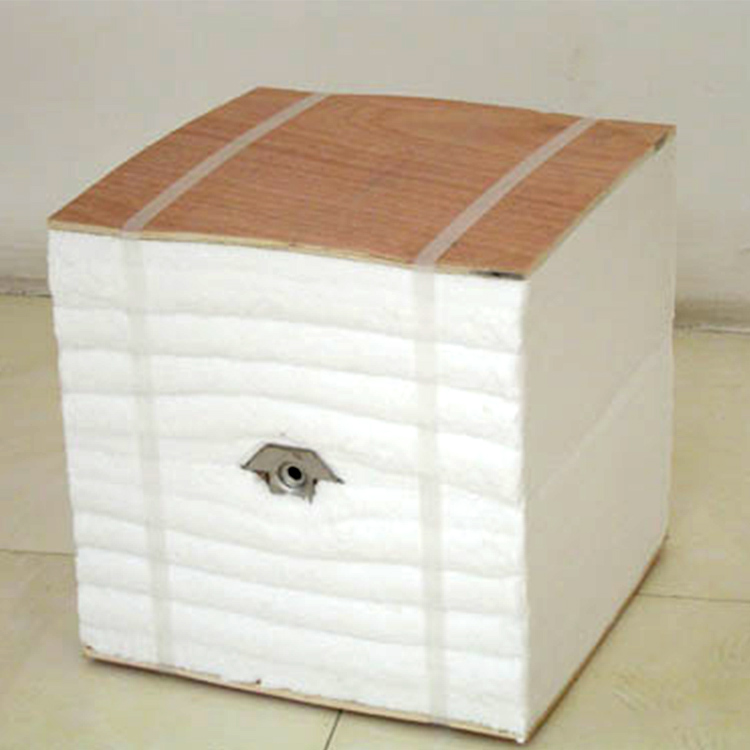
Extending the lifespan of aluminum electrolytic cells beyond 10 years with vermiculite insulation boards results in significant operational cost savings. Companies report a 45% reduction in maintenance expenses and a 20% improvement in energy efficiency due to superior thermal insulation minimizing heat loss.
For instance, a 50,000-ton annual production facility saved approximately $750,000 in maintenance and repair costs over a 5-year period after switching to vermiculite insulation technology. Additionally, the thermal efficiency gained contributes to lower electrical consumption per ton of aluminum produced, aligning with sustainable manufacturing goals.
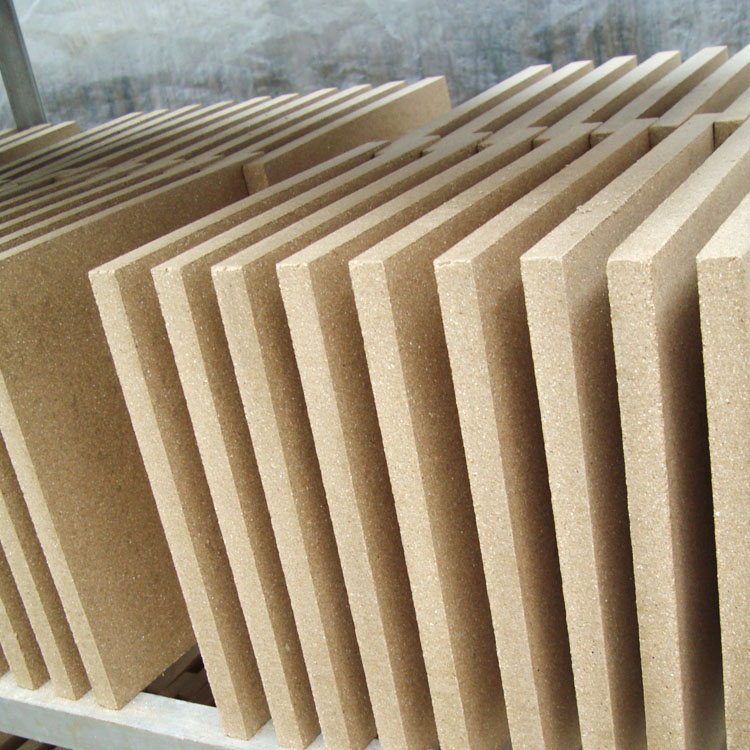
Leading aluminum manufacturers across Asia and Europe have adopted vermiculite insulation boards with remarkable outcomes. A case study from a major Chinese smelter documents over 12 years of uninterrupted operation with minimal replacement need, contrasting with frequent shutdowns for refractory repairs under earlier systems.
Similarly, a Scandinavian aluminum firm reported improvements in product consistency and reduced emissions attributable to more stable electrolysis temperatures, directly linked to the high-performance insulation materials deployed.
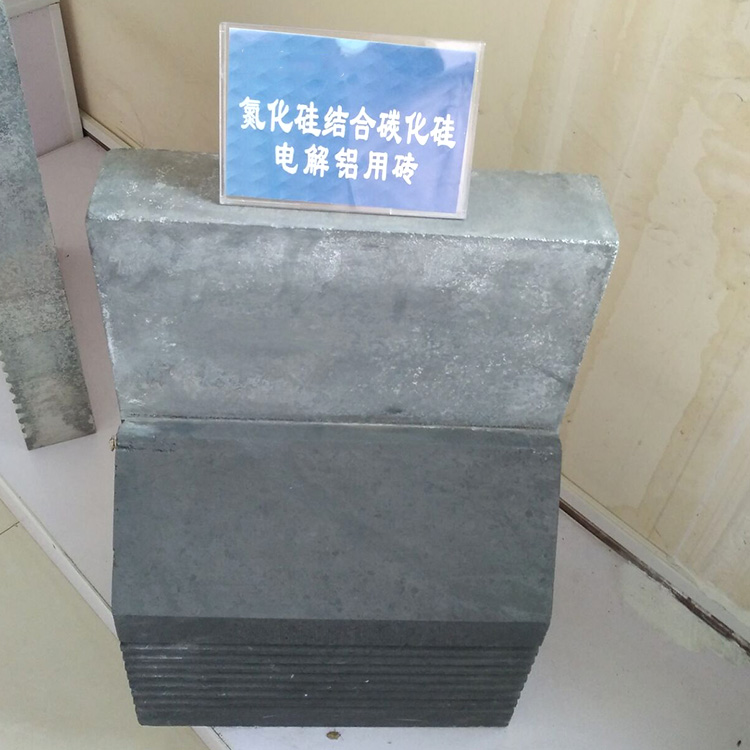

 423
|
423
|
 ordinary magnesium - chromium bricks
high - temperature industrial refractory materials
thermal shock stability
corrosion resistance
comparison with magnesium bricks
ordinary magnesium - chromium bricks
high - temperature industrial refractory materials
thermal shock stability
corrosion resistance
comparison with magnesium bricks
 185
|
high-purity silica bricks
coke oven refractory materials
high-temperature resistance silica bricks
coke oven lifespan extension
refractory material selection for coke ovens
185
|
high-purity silica bricks
coke oven refractory materials
high-temperature resistance silica bricks
coke oven lifespan extension
refractory material selection for coke ovens
 341
|
Direct Bonded Magnesia-Chrome Bricks
Dead-Burned Magnesia-Chrome Bricks
Refractory Materials
High-Temperature Strength of Refractory Bricks
Industrial Kiln Refractories
341
|
Direct Bonded Magnesia-Chrome Bricks
Dead-Burned Magnesia-Chrome Bricks
Refractory Materials
High-Temperature Strength of Refractory Bricks
Industrial Kiln Refractories
 496
|
silicon nitride bonded silicon carbide brick
thermal conductivity in refractories
refractory lining lifespan
high temperature kiln durability
carbonized silicon carbide application
496
|
silicon nitride bonded silicon carbide brick
thermal conductivity in refractories
refractory lining lifespan
high temperature kiln durability
carbonized silicon carbide application
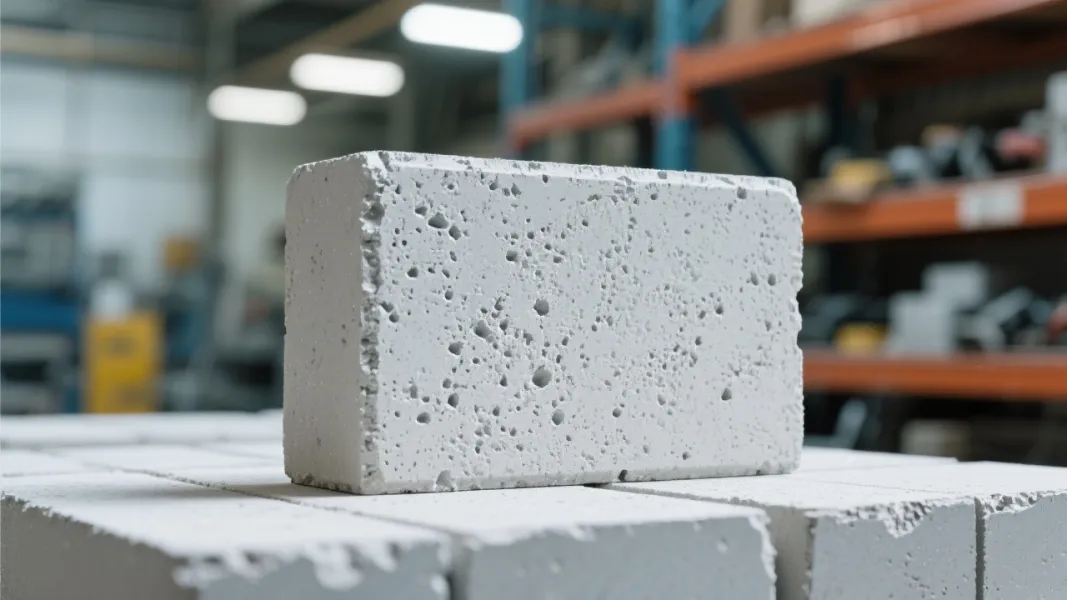 43
|
High thermal conductivity silica bricks
Silica brick performance comparison
Thermal conductivity of industrial materials
Enterprise energy efficiency
Reduction of production costs
43
|
High thermal conductivity silica bricks
Silica brick performance comparison
Thermal conductivity of industrial materials
Enterprise energy efficiency
Reduction of production costs

.jpg?x-oss-process=image/resize,m_fill,h_200,w_200/format,webp)





.jpg?x-oss-process=image/resize,m_fill,h_200,w_200/format,webp)