.jpg?x-oss-process=image/resize,h_1000,m_lfit/format,webp)
As the aluminum industry accelerates its shift towards green, low-carbon production, the demand for innovative materials that enhance energy efficiency and equipment lifespan is critical. Vermiculite insulation boards have emerged as a cornerstone solution, offering exceptional high-temperature purification, self-reinforcing performance, and superior resistance to corrosion. These boards directly address key operational challenges—energy-intensive processes, frequent maintenance, and environmental regulations—empowering electrolysis plants to optimize aluminum pot operations, reduce costs, and meet sustainability targets.
The aluminum production process, especially smelting, is notoriously energy-intensive, with potrooms consuming up to 40% of total plant electricity. Traditional refractory and insulation materials often fall short—exhibiting higher thermal conductivity, lower durability, and susceptibility to chemical erosion—leading to frequent replacements and escalating maintenance costs. These inefficiencies compromise plant uptime and inflate operational expenses, impeding companies' ability to meet increasingly stringent environmental regulations and achieve carbon neutrality.
Vermiculite insulation boards harness a unique mineral structure capable of withstanding extreme temperatures up to 1200°C while undergoing a high-temperature purification process. This mechanism effectively stabilizes physical properties during operation, resulting in a reduction of thermal conductivity over time—an uncommon self-enhancing characteristic that minimizes heat loss. The boards exhibit an initial thermal conductivity coefficient below 0.08 W/m·K, improving to approximately 0.06 W/m·K after prolonged exposure at operating temperatures.
Moreover, their layered, flaky morphology imparts impressive resistance to molten salt corrosion and chemical abrasion prevalent in aluminum pot environments. Such resilience significantly mitigates material degradation and prolongs service life, reducing unexpected downtime.
When benchmarked against conventional firebricks and insulating fireclay, vermiculite insulation boards demonstrate:
.jpg)
A leading electrolysis aluminum plant in the Pacific Rim incorporated vermiculite insulation boards in 2021, tracking performance over two years. Key outcomes include:
“Vermiculite insulation board technology is a pivotal enabler for achieving competitive advantage through sustainable operations. Its dual-function of performance enhancement and environmental compliance positions it as an indispensable material for future-forward aluminum producers.” — Dr. Emily Thompson, Industry Materials Expert
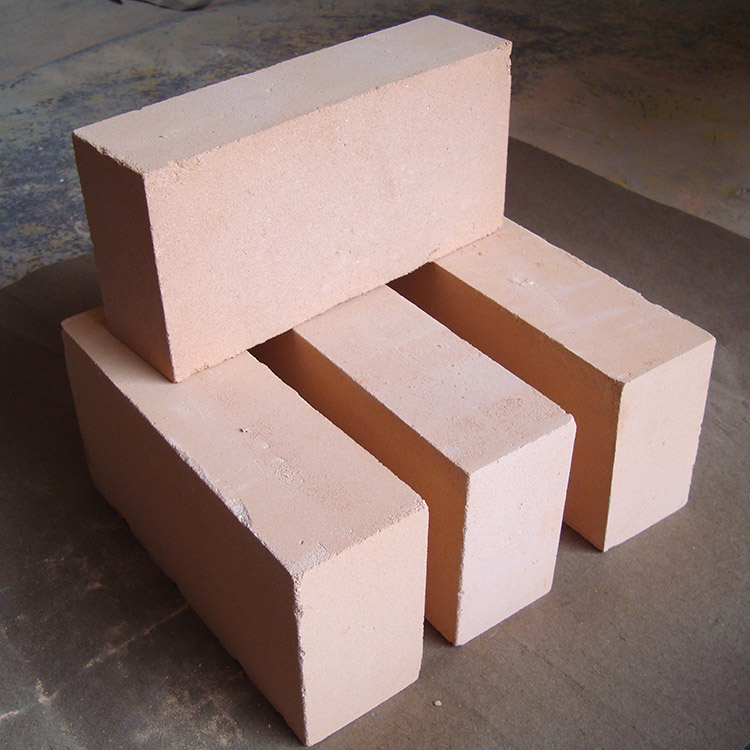
In response to global and national mandates targeting carbon emission reductions, the aluminum sector is intensifying adoption of advanced thermal management materials. Vermiculite insulation boards perfectly align with this trajectory by combining:
Industry forecasts indicate an annual demand growth of 15-20% for high-performance refractory insulation materials over the next five years—a trend underscored by increasing recognition of vermiculite’s distinct advantages.
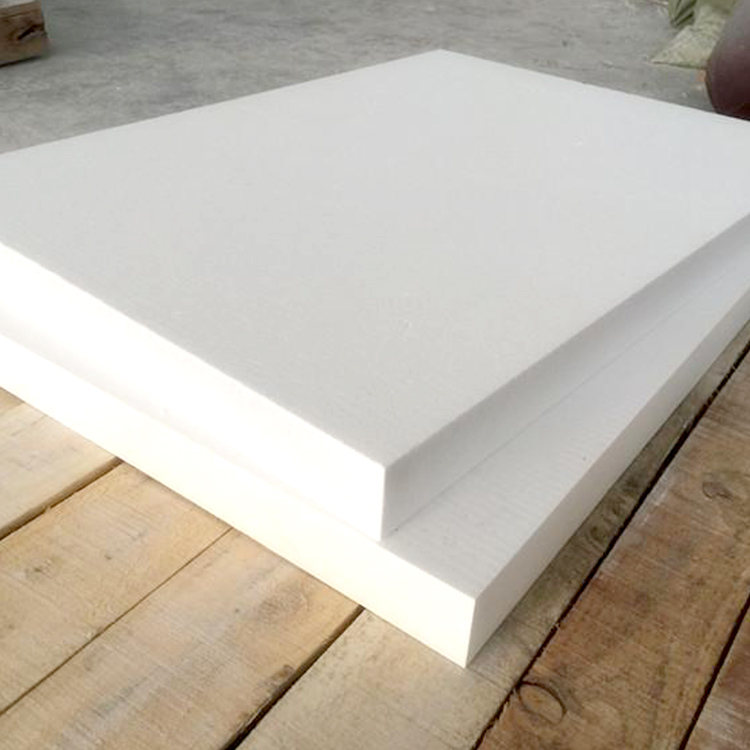
Deploying vermiculite insulation boards delivers triple-value benefits critical in the decision-making phase:
For aluminum producers seeking to enhance operational profitability while championing sustainable manufacturing, vermiculite insulation boards represent a strategic material upgrade that aligns with long-term business and environmental objectives.
.jpg?x-oss-process=image/resize,h_600,m_lfit/format,webp)
 202
|
202
|
 Directly Bonded Magnesia-Chrome Bricks
High-Temperature Strength
Industrial High-Temperature Applications
Directly Bonded Magnesia-Chrome Bricks
High-Temperature Strength
Industrial High-Temperature Applications
 222
|
silicon nitride bonded silicon carbide brick
high temperature refractory material
thermal conductivity refractory brick
erosion resistant refractory
blast furnace lining material
222
|
silicon nitride bonded silicon carbide brick
high temperature refractory material
thermal conductivity refractory brick
erosion resistant refractory
blast furnace lining material
 130
|
nitride-bonded silicon carbide brick
thermal shock resistant refractory
high conductivity refractory
refractory brick performance
industrial kiln lining
130
|
nitride-bonded silicon carbide brick
thermal shock resistant refractory
high conductivity refractory
refractory brick performance
industrial kiln lining
 422
|
magnesium chrome brick performance
magnesium brick comparison
thermal shock resistant refractory
corrosion resistant brick
high temperature refractory materials
422
|
magnesium chrome brick performance
magnesium brick comparison
thermal shock resistant refractory
corrosion resistant brick
high temperature refractory materials
.jpg?x-oss-process=image/resize,h_600,m_lfit/format,webp) 198
|
magnesia-chromite bricks
high-temperature industrial solutions
thermal shock stability
198
|
magnesia-chromite bricks
high-temperature industrial solutions
thermal shock stability


.jpg?x-oss-process=image/resize,m_fill,h_200,w_200/format,webp)