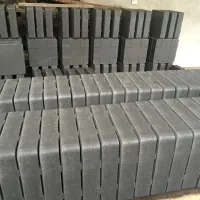
As global aluminum producers face rising energy costs and stricter environmental regulations, the need for high-performance insulation has never been more urgent. Traditional materials like ceramic fiber blankets or mineral wool often fail under sustained high temperatures (above 700°C), leading to increased heat loss, frequent maintenance, and reduced cell life—typically under 5 years. This inefficiency directly impacts both operational budgets and carbon footprints.
Enter vermiculite-based insulation panels—a proven solution gaining traction across North America, Europe, and Asia. Unlike conventional options, these panels offer unique advantages that align with modern aluminum production demands:
“In a pilot project at an Alcoa facility in Germany, switching to vermiculite panels extended anode lifespans from 4.2 to 10.5 years while cutting thermal losses by 18%. That’s not just efficiency—it’s strategic cost control.”
— Dr. Lena Müller, Senior Materials Engineer, Fraunhofer Institute for Ceramic Technologies
A mid-sized aluminum smelter in China reported a 12% drop in electricity consumption within six months of adopting vermiculite insulation in its preheating zones. With average power costs at $0.08/kWh, this translates to ~$250,000/year saved per line—without any change in output volume. Meanwhile, CO₂ emissions decreased by approximately 1,200 tons annually per unit, supporting compliance with national “dual carbon” goals.
This isn’t just about performance—it’s about long-term sustainability. The global shift toward green aluminum (like those certified by the Aluminium Stewardship Initiative) makes materials like vermiculite a competitive differentiator for manufacturers aiming to meet ESG standards and win contracts with EU and U.S. buyers.
Let every degree count — reduce waste, boost yield, and future-proof your operation.
Get Your Customized Solution NowFor aluminum producers seeking smarter insulation that delivers real ROI—not just specs—vermiculite panels represent a no-brainer upgrade. Whether you're optimizing existing lines or building new facilities, investing in advanced refractory solutions today ensures resilience tomorrow.
 435
|
435
|
 high thermal conductivity silicon brick
silicon brick structure optimization
refractory material performance
industrial energy efficiency
heat transfer enhancement
high thermal conductivity silicon brick
silicon brick structure optimization
refractory material performance
industrial energy efficiency
heat transfer enhancement
 408
|
silicon brick usage guidelines
hot blast stove refractory maintenance
silicon brick quality control standards
composite brick installation best practices
thermal efficiency improvement in hot blast stoves
408
|
silicon brick usage guidelines
hot blast stove refractory maintenance
silicon brick quality control standards
composite brick installation best practices
thermal efficiency improvement in hot blast stoves
 370
|
magnesium chrome brick
slag resistance
high temperature refractory materials
refractory brick applications
magnesium chrome brick performance
370
|
magnesium chrome brick
slag resistance
high temperature refractory materials
refractory brick applications
magnesium chrome brick performance
 80
|
Directly bonded magnesia-chrome bricks
high-temperature performance of refractory materials
technological advancement in refractory industry
80
|
Directly bonded magnesia-chrome bricks
high-temperature performance of refractory materials
technological advancement in refractory industry
 31
|
Vermiculite insulation boards
Aluminum industry insulation materials
Aluminum cell energy saving
High - temperature insulation boards
Aluminum industry sustainable development
31
|
Vermiculite insulation boards
Aluminum industry insulation materials
Aluminum cell energy saving
High - temperature insulation boards
Aluminum industry sustainable development



.jpg?x-oss-process=image/resize,m_fill,h_200,w_200/format,webp)