
In the aluminum smelting industry, electrolytic cells face constant chemical erosion from fluorides and cryolite—leading to premature failure, frequent maintenance, and high operational costs. Many producers are now turning to advanced thermal insulation materials like vermiculite-based panels not just for heat retention, but as a critical defense against material degradation.
Standard refractory linings in aluminum cells typically last only 3–5 years under continuous operation at temperatures exceeding 950°C. The main culprit? Direct contact with molten aluminum and aggressive fluxes such as sodium hexafluoroaluminate (cryolite). These substances penetrate porous structures, causing spalling, cracking, and eventual structural collapse.
Vermiculite insulation panels, engineered through precise high-temperature purification and controlled expansion, offer unique advantages:
This means less energy loss, fewer hot spots, and dramatically reduced risk of aluminum wetting—a key cause of lining failure.
A recent study across three major aluminum plants found that switching to vermiculite insulation led to:
These results translate directly into lower capital expenditure on replacements and improved process stability—an essential edge in competitive markets.
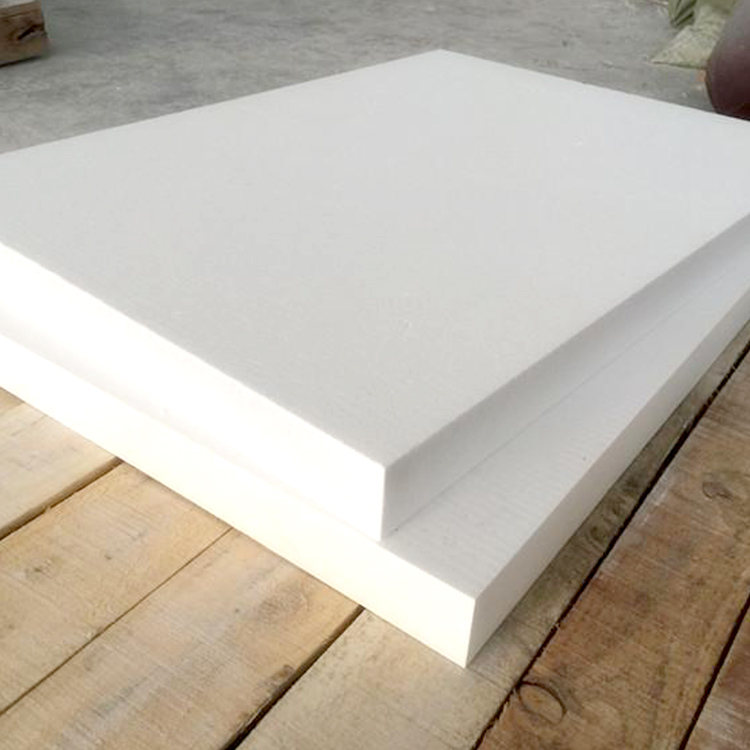
Choosing vermiculite insulation isn’t just about material specs—it’s about risk mitigation and long-term ROI. When you invest in a system that resists both chemical attack and thermal stress, you’re reducing:
For decision-makers in aluminum production, this is no longer an option—it’s a necessity.
Discover how our proprietary vermiculite insulation panels can extend your electrolytic cell life beyond 10 years while cutting energy consumption and maintenance costs.
Get Your Free Technical Evaluation Now
 222
|
222
|
 Silicon nitride bonded silicon carbide bricks
Refractory material performance improvement
Erosion - resistant refractory bricks
Refractory materials for metallurgical blast furnaces
Refractory materials for ceramic industry
Silicon nitride bonded silicon carbide bricks
Refractory material performance improvement
Erosion - resistant refractory bricks
Refractory materials for metallurgical blast furnaces
Refractory materials for ceramic industry
 240
|
silicon brick for hot blast stoves
high thermal conductivity refractory
hot blast stove lining materials
refractory brick specifications
composite brick installation in hot blast furnaces
240
|
silicon brick for hot blast stoves
high thermal conductivity refractory
hot blast stove lining materials
refractory brick specifications
composite brick installation in hot blast furnaces
 383
|
ordinary magnesia-chrome bricks
high-temperature refractory materials
steelmaking refractories
slag resistance
thermal shock stability
383
|
ordinary magnesia-chrome bricks
high-temperature refractory materials
steelmaking refractories
slag resistance
thermal shock stability
 187
|
Silica bricks for hot blast stoves
Replacement of fireclay bricks by silica bricks
Refractory materials for blast furnaces
Silica bricks with thermal conductivity
Trends of high - temperature refractory bricks
187
|
Silica bricks for hot blast stoves
Replacement of fireclay bricks by silica bricks
Refractory materials for blast furnaces
Silica bricks with thermal conductivity
Trends of high - temperature refractory bricks
 60
|
Common magnesia-chrome bricks
High-temperature refractory materials
Slag resistance
Thermal shock stability
Magnesia-chrome brick applications
60
|
Common magnesia-chrome bricks
High-temperature refractory materials
Slag resistance
Thermal shock stability
Magnesia-chrome brick applications


.jpg?x-oss-process=image/resize,m_fill,h_200,w_200/format,webp)





.jpg?x-oss-process=image/resize,m_fill,h_200,w_200/format,webp)