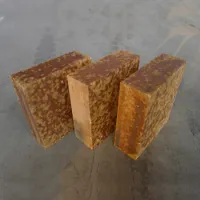
In the high-stakes world of aluminum production, even a 1% improvement in energy efficiency or equipment lifespan can translate into millions in annual savings. That’s exactly what happened at a major overseas aluminum smelter—after switching to vermiculite-based insulation panels.
The plant reported a 30% increase in crucible (aluminum pot) lifespan, along with an estimated 8–10% reduction in thermal energy loss during electrolysis. These weren’t just theoretical gains—they were measurable, repeatable, and directly tied to the material’s unique performance under extreme conditions.

Unlike traditional refractory bricks or ceramic fiber blankets, vermiculite insulation offers three critical advantages:
“We’ve seen this in multiple plants across Europe and Southeast Asia,” says Dr. Lena Müller, Materials Engineer at AlumTech Solutions. “It’s not magic—it’s physics. When you reduce thermal shock and chemical erosion simultaneously, you extend service life dramatically.”

For the aluminum producer, the benefits went beyond just extending furnace life:
This isn’t just about saving money—it’s about building resilience in a carbon-conscious era. As global regulators tighten emissions rules, solutions that improve both efficiency and sustainability are no longer optional. They’re strategic imperatives.
Let every degree of heat count. Vermiculite insulation doesn't just protect your equipment—it optimizes your entire process.
If you're managing an aluminum smelting operation where uptime and cost control matter most, it’s time to rethink your insulation strategy.
.jpg?x-oss-process=image/resize,h_600,m_lfit/format,webp)
 430
|
430
|
 magnesite-chrome bricks
high-temperature environments
refractory materials
metallurgy
glass industry
direct-bonded bricks
manufacturing methods
industrial applications
magnesite-chrome bricks
high-temperature environments
refractory materials
metallurgy
glass industry
direct-bonded bricks
manufacturing methods
industrial applications
 66
|
silicon nitride bonded silicon carbide brick
high thermal conductivity refractory
thermal shock resistance in refractories
refractory lifespan improvement
non-ferrous metallurgy refractory
66
|
silicon nitride bonded silicon carbide brick
high thermal conductivity refractory
thermal shock resistance in refractories
refractory lifespan improvement
non-ferrous metallurgy refractory
 173
|
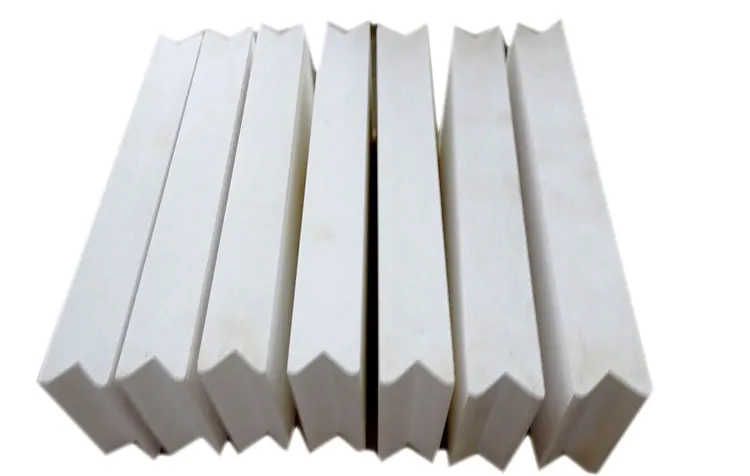
Silicon Nitride-Bonded Silicon Carbide Bricks
Premium Refractory Materials
Performance Advantages
International Recognition
Market Presence
173
|
Silicon Nitride-Bonded Silicon Carbide Bricks
Premium Refractory Materials
Performance Advantages
International Recognition
Market Presence
 187
|
Silica bricks for hot blast stoves
Replacement of fireclay bricks by silica bricks
Refractory materials for blast furnaces
Silica bricks with thermal conductivity
Trends of high - temperature refractory bricks
187
|
Silica bricks for hot blast stoves
Replacement of fireclay bricks by silica bricks
Refractory materials for blast furnaces
Silica bricks with thermal conductivity
Trends of high - temperature refractory bricks
.jpg?x-oss-process=image/resize,h_600,m_lfit/format,webp) 276
|
silicon nitride-bonded silicon carbide bricks
application in non-ferrous metal mining
refractory materials
international recognition
product performance advantages
276
|
silicon nitride-bonded silicon carbide bricks
application in non-ferrous metal mining
refractory materials
international recognition
product performance advantages

.jpg?x-oss-process=image/resize,m_fill,h_200,w_200/format,webp)