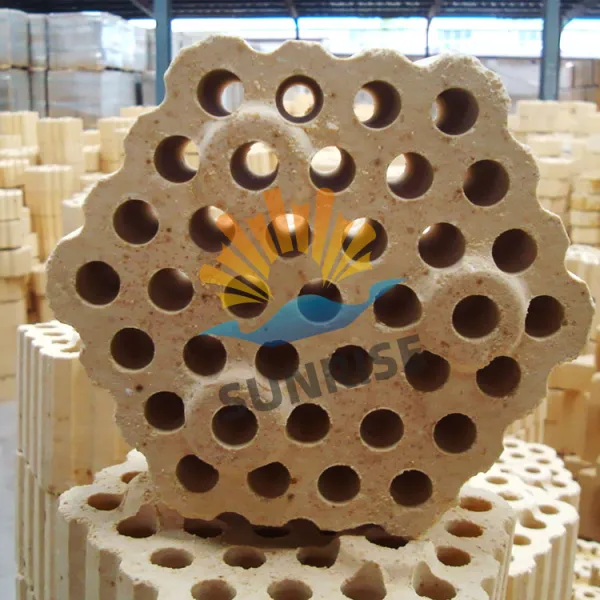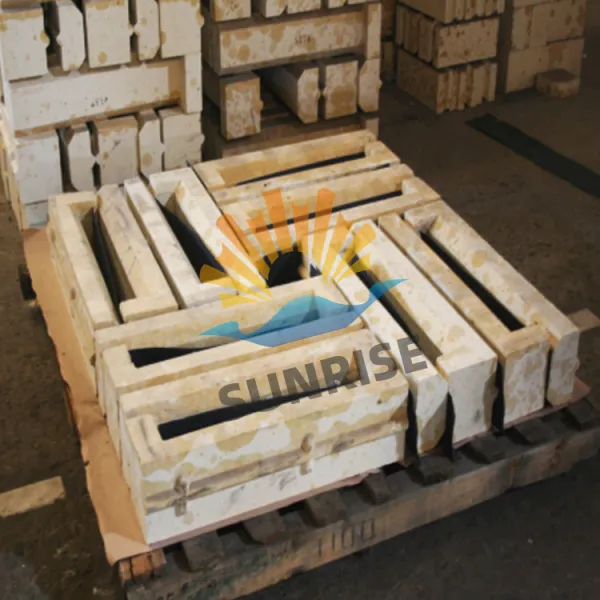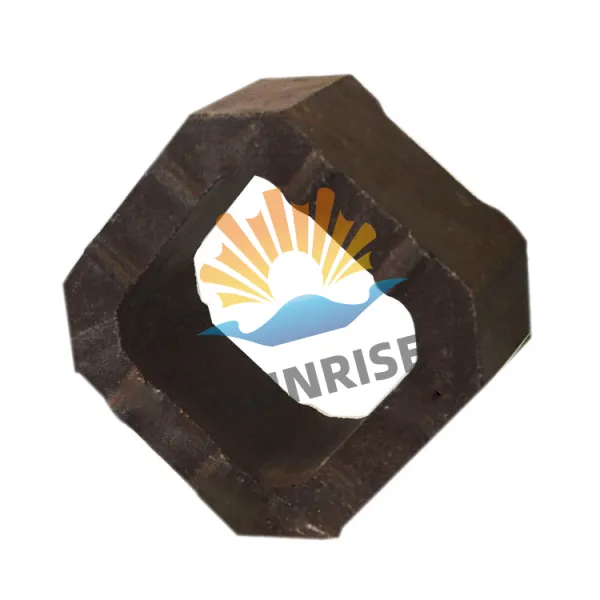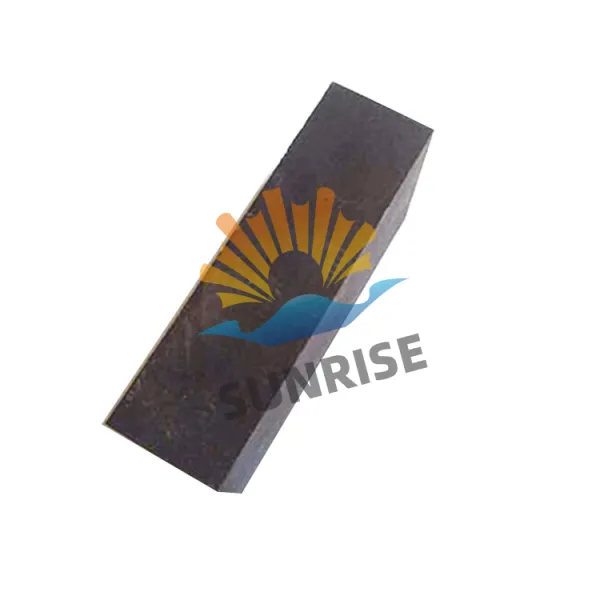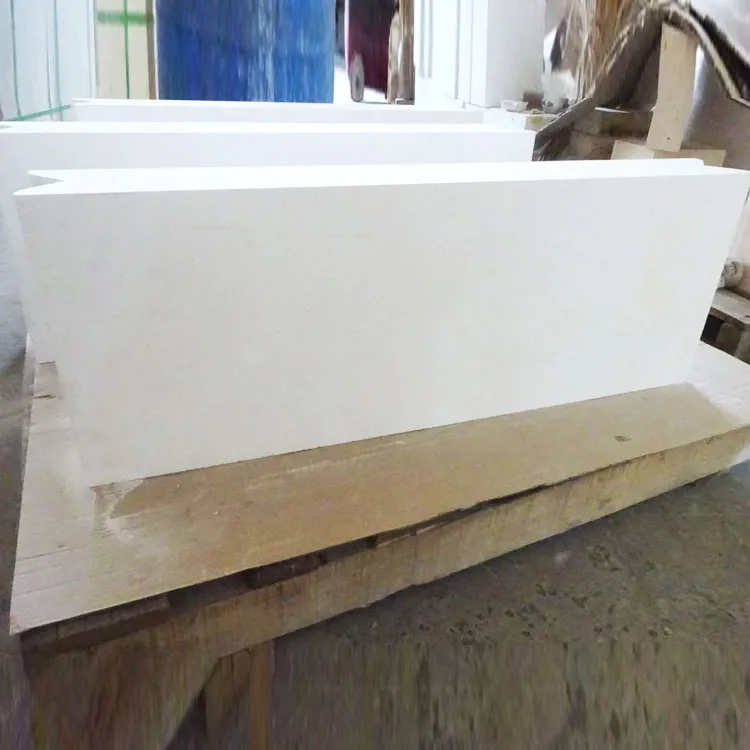
As blast furnace operations push for higher wind temperatures—now routinely exceeding 1250°C—the limitations of traditional high-alumina bricks are becoming increasingly evident. These materials, once considered reliable, now show significant wear after just 18–24 months under continuous thermal cycling. In contrast, heat-conductive silicon bricks demonstrate exceptional durability, with real-world case studies showing lifespans of up to 48 months in similar conditions.
Silicon brick’s superiority lies in its unique combination of physical and chemical properties:
At a major steel plant in Hebei Province, switching from high-alumina to silicon brick in their hot blast stove system led to:
| Metric | Before Switch (High-Alumina) | After Switch (Silicon Brick) |
|---|---|---|
| Average Lifespan | 20 months | 42 months |
| Maintenance Frequency | Every 6 months | Every 12–14 months |
| Energy Efficiency Gain | Baseline | +7.2% average |
This single change reduced downtime by nearly 50% and saved over $120,000 annually in labor, replacement, and energy costs—a compelling ROI for any industrial operation.
Choosing silicon brick isn’t just about material performance—it’s a strategic move toward operational resilience. As global steelmakers face increasing pressure to reduce emissions and optimize production cycles, investing in durable, efficient refractory solutions like silicon brick aligns directly with sustainability goals and long-term profitability.
Whether you’re upgrading an existing hot blast stove or designing a new one, the data speaks clearly: silicon brick delivers superior value across every metric that matters.
Ready to future-proof your hot blast system? Explore how our heat-conductive silicon bricks can transform your furnace performance—without compromising on quality or safety.
Get Your Free Technical Brochure & Product Comparison Guide