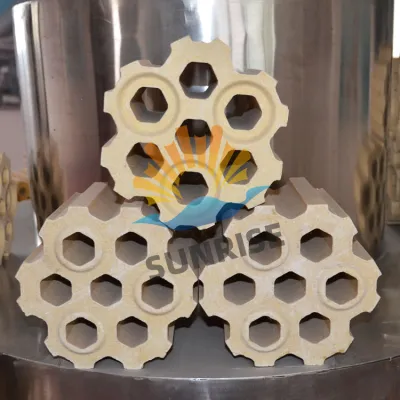
In the steel production industry, hot blast stoves play a pivotal role. They are responsible for providing high - temperature hot air to blast furnaces, which is crucial for the smelting process. The efficiency of hot blast stoves directly impacts the overall productivity and energy consumption of steel plants. In this context, silica bricks for hot blast stoves have emerged as a key solution to enhance the performance of these vital facilities.
Silica bricks are made with a dominant phase of scaly quartz. This unique mineral composition gives silica bricks excellent adaptability to high - temperature environments. In the harsh conditions of hot blast stoves, where temperatures can soar, the scaly quartz structure allows silica bricks to maintain their stability and integrity.
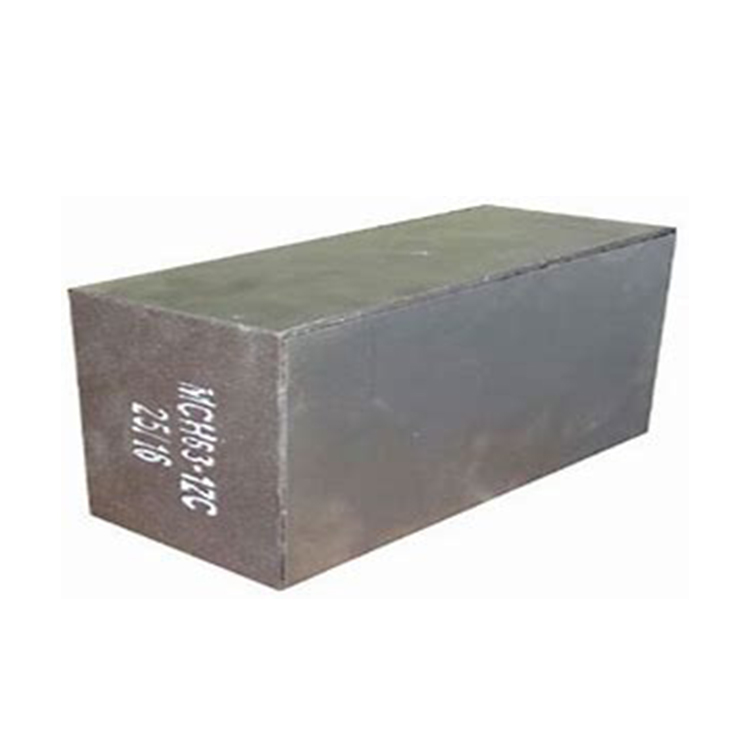
One of the most significant advantages of silica bricks is their high thermal conductivity. Compared with clay bricks and high - alumina bricks, silica bricks have a much higher thermal conductivity. For example, the thermal conductivity of silica bricks can reach 1.8 - 2.2 W/(m·K), while that of clay bricks is only about 0.8 - 1.2 W/(m·K). This high thermal conductivity enables silica bricks to store and release heat rapidly. In a hot blast stove, rapid heat storage means that the stove can reach the required temperature in a shorter time, and fast heat release ensures that the hot air can be supplied to the blast furnace promptly. As a result, the overall efficiency of the hot blast stove is significantly improved.
Silica bricks for hot blast stoves are produced with strict quality control. They have regular shapes and small dimensional deviations. The dimensional tolerance of the bricks is controlled within ±1mm, which is in line with industry standards. This precise control of size is of great significance. Regular - shaped and precisely - sized bricks can be assembled more tightly, reducing heat leakage and improving the heat - utilization rate of the hot blast stove. Moreover, it also ensures the structural stability of the hot blast stove during long - term operation.
For external combustion hot blast stoves, the upper composite bricks need special pre - treatment. This includes edge cutting, grinding, and pre - assembly. These pre - treatment steps are essential for ensuring the proper installation and operation of the bricks. For instance, by cutting and grinding the edges, the bricks can fit together more precisely, and pre - assembly can help detect and correct any potential installation problems in advance.
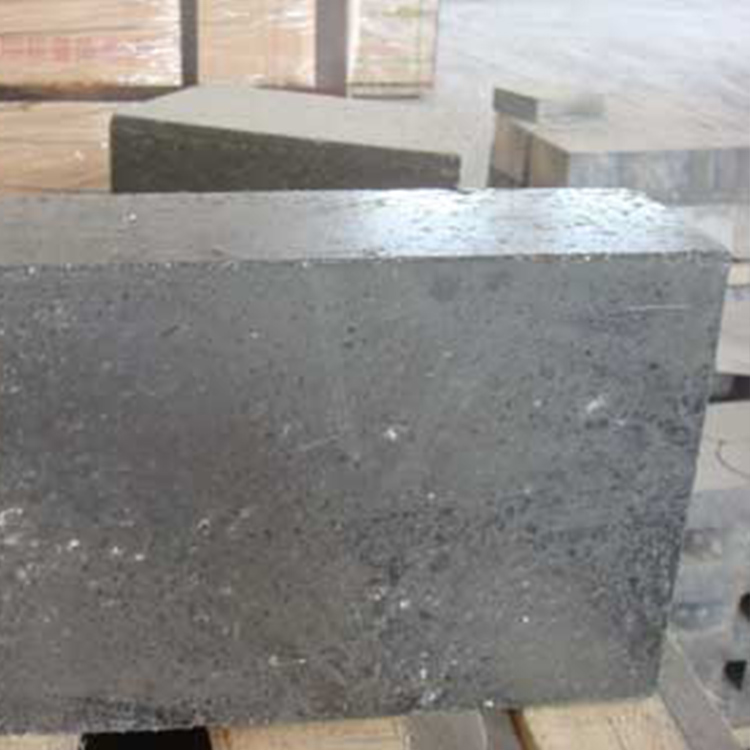
In a steel plant in [Location], after replacing the original refractory bricks with silica bricks in the hot blast stove, the data showed significant improvements. The heating time of the hot blast stove was reduced by 20%, and the energy consumption was decreased by 15%. At the same time, the service life of the hot blast stove was extended from 5 years to 8 years. These real - world cases clearly demonstrate the effectiveness of silica bricks in improving the efficiency and longevity of hot blast stoves.
Silica bricks for hot blast stoves, with their high thermal conductivity, excellent heat storage performance, strict quality control, and special pre - treatment requirements, are the ideal choice for the high - temperature parts of hot blast stoves. They have been verified by many steel mills to make your hot blast stoves more efficient and durable. If you want to learn more about our high - quality silica bricks for hot blast stoves and how they can help your steel production, please click here to get in touch with us.