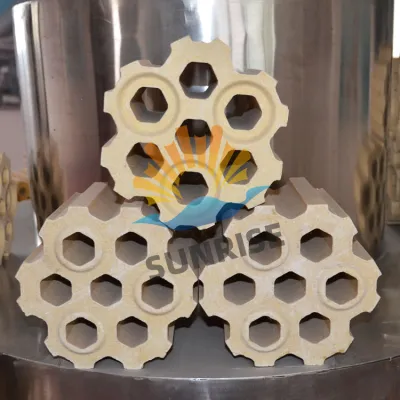
Silica bricks for hot blast stoves are a type of high - performance refractory product widely used in the iron and steel industry. With the continuous development of the industry, the demand for high - efficiency and energy - saving hot blast stoves is increasing. However, the current market is filled with various silica bricks of different qualities, which brings challenges to users in terms of product selection and application.
Many users face problems such as low combustion efficiency and high energy consumption when using traditional refractory materials. These issues not only increase production costs but also have a negative impact on the environment. Therefore, finding high - quality silica bricks that can improve combustion efficiency and save energy has become an urgent need for users.
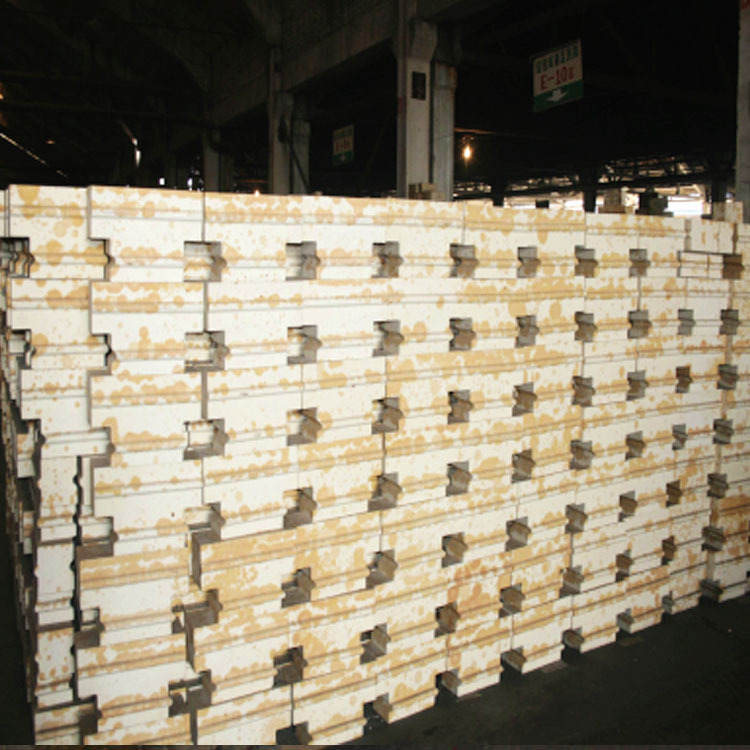
The production of silica bricks for hot blast stoves is a complex process that requires strict control. High - purity raw materials are selected, and advanced production techniques are used. For example, during the firing process, the temperature is strictly controlled within the range of 1450 - 1550°C to ensure the stability of the product's crystal structure. According to industry standards, the silica content of high - quality silica bricks should be above 95%, which can effectively improve the heat resistance and thermal conductivity of the bricks.
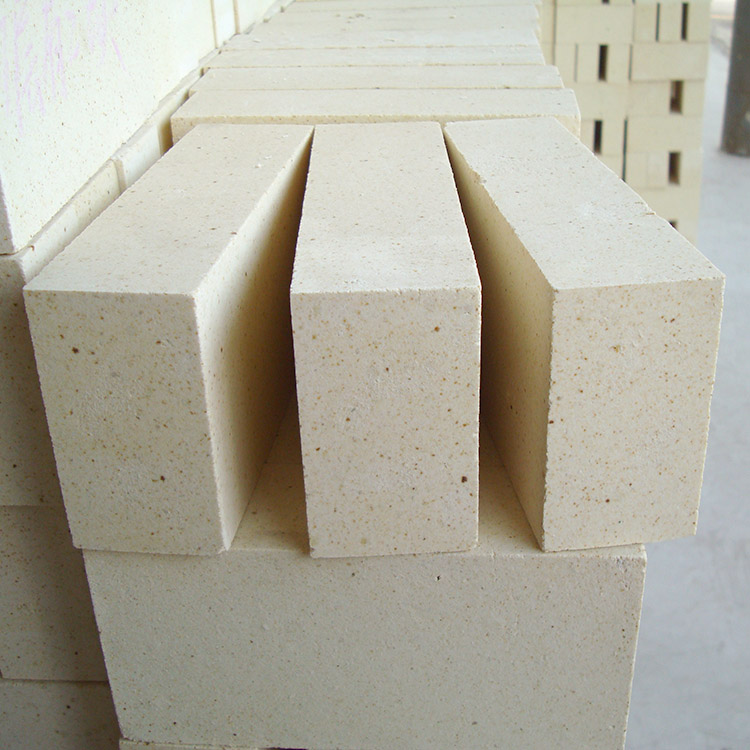
Accurate dimensions are crucial for the installation and use of silica bricks. The dimensional deviation of silica bricks should be controlled within a very small range. For example, the length deviation should be within ±1mm, the width deviation within ±0.5mm, and the height deviation within ±0.3mm. Regular dimensional inspections are carried out during the production process to ensure that the products meet these standards.
Cracks in silica bricks can seriously affect their performance and service life. Therefore, strict crack management standards are set. The length of surface cracks should not exceed 5mm, and the depth should not exceed 2mm. Any bricks with cracks exceeding these standards are not allowed to enter the market.
When using composite bricks in hot blast stoves, several key steps are very important. First, the cutting and grinding of the bricks are necessary. Accurate cutting can ensure the tight fit between bricks, and proper grinding can improve the flatness of the brick surface. Second, pre - assembly is an essential step. By pre - assembling the bricks, potential problems can be found and solved in advance, ensuring the smooth progress of the actual installation.
A steel company used our high - quality silica bricks for their hot blast stoves. Before using our products, the combustion efficiency of their hot blast stoves was only about 70%, and the energy consumption was relatively high. After replacing with our silica bricks, the combustion efficiency increased to over 85%, and the energy consumption was reduced by about 15%. This case fully demonstrates the excellent performance of our silica bricks in improving combustion efficiency and saving energy.
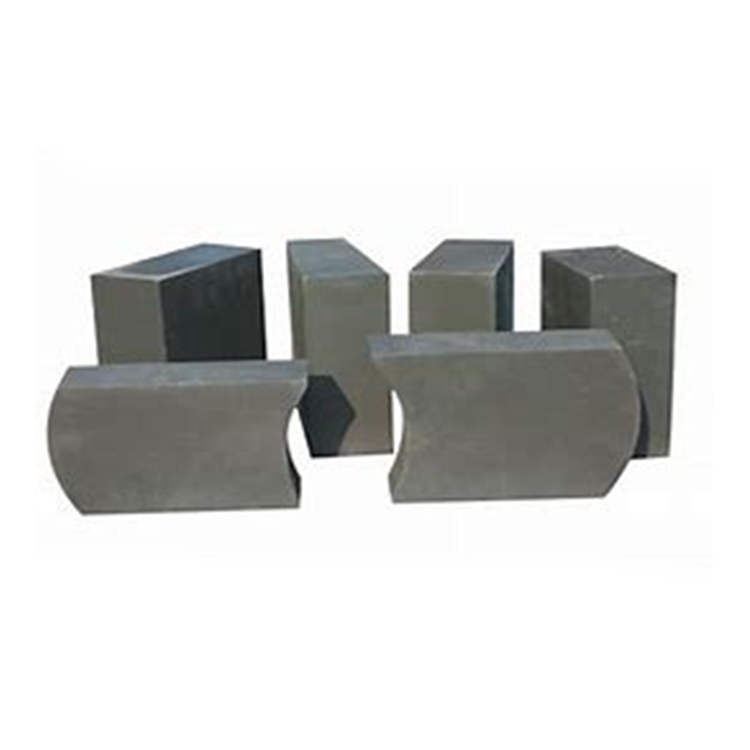
Compared with traditional refractory materials, silica bricks for hot blast stoves have significant advantages in terms of thermal conductivity. Their high thermal conductivity can effectively transfer heat, improve combustion efficiency, and achieve energy - saving effects. By strictly controlling the quality of silica bricks and following the correct use methods, users can obtain better results in their production processes.
If you are looking for high - quality silica bricks for hot blast stoves to improve your production efficiency and reduce energy consumption, click here to learn more about our products and make a smart purchasing decision!