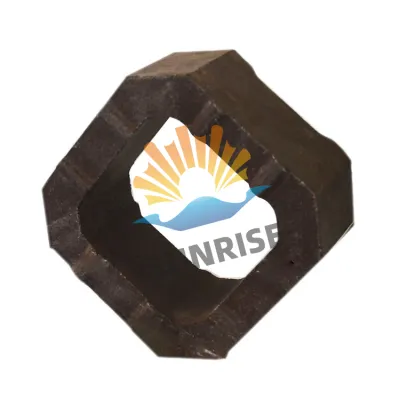
Steel production demands extreme conditions—temperatures exceeding 1,600°C, aggressive chemical environments, and frequent thermal cycling. In such harsh settings, traditional refractory materials often fail prematurely, leading to costly downtime and quality issues. That’s why progressive steel plants worldwide are shifting toward ordinary magnesia-chrome brick, a solution proven in both lab tests and real-world applications.
In controlled comparative tests at industrial R&D centers, ordinary magnesia-chrome bricks demonstrated:
| Property | Ordinary Magnesia-Chrome Brick | Standard Magnesia Brick |
|---|---|---|
| Cold Crushing Strength (CCS) | ≥ 120 MPa | ≤ 80 MPa |
| Corrosion Resistance (in molten slag) | > 95% retention after 24 hrs | ~70% retention after 24 hrs |
| Thermal Shock Stability (1100°C → water quench) | No spalling after 10 cycles | Spalling observed after 5 cycles |
The superior performance stems from its optimized composition: high-purity sintered magnesia (MgO ≥ 96%), chrome ore (Cr₂O₃ ≥ 45%), and controlled silicate binders. These ingredients form a dense microstructure that resists penetration by molten iron and basic slags while maintaining structural integrity under rapid heating/cooling.
A case study from a Tier-1 Chinese steel mill shows how switching to ordinary magnesia-chrome brick reduced lining replacement frequency from every 6 months to over 12 months—a 100% increase in service life. The plant reported a 15% improvement in furnace availability and a 12% reduction in energy consumption due to better heat retention.
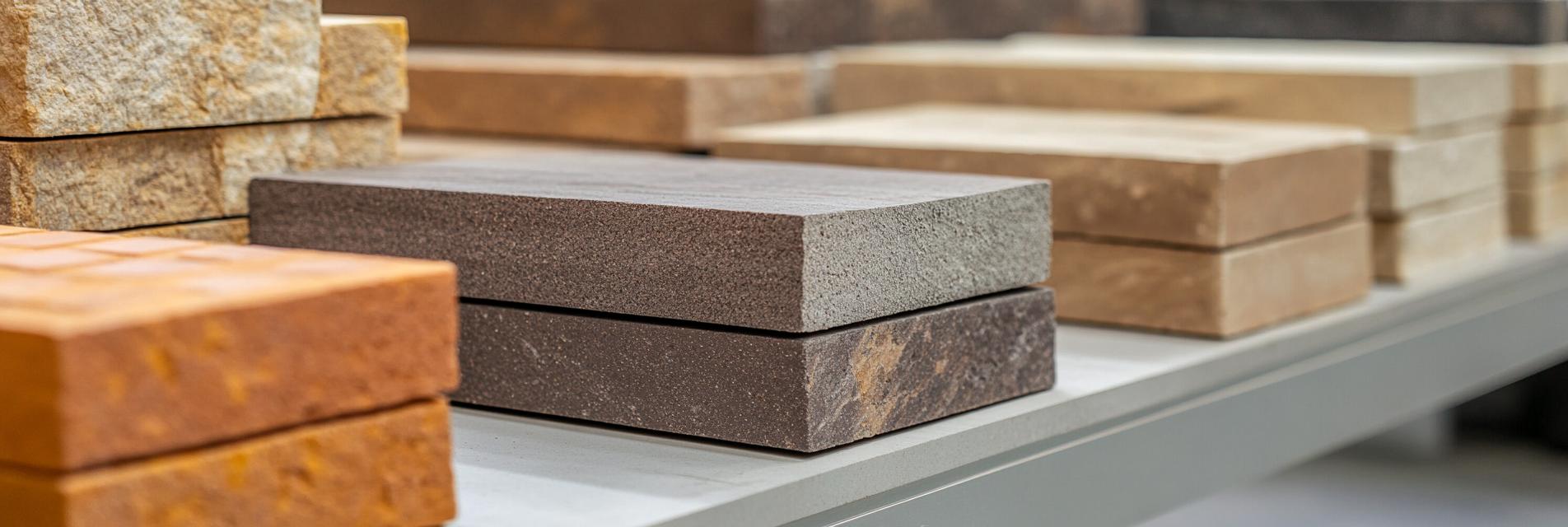
For technical buyers evaluating refractories for blast furnaces, ladles, or converters, the evidence is clear: ordinary magnesia-chrome brick delivers unmatched durability, efficiency, and cost-effectiveness in high-temperature operations.
If you're managing a steel plant where uptime and product consistency matter most, it's time to move beyond legacy solutions. Let us help you understand how this material can transform your refractory strategy—not just today, but for years ahead.