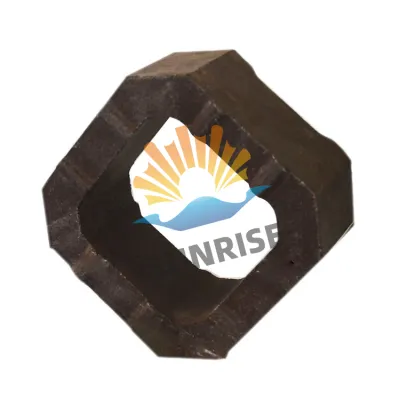
For manufacturers in steelmaking, glass production, and cement processing, high-temperature environments are both a necessity and a challenge. Material degradation, unexpected downtime, and rising maintenance costs often erode profit margins — until now.
One client in China’s metallurgy sector reported a 27% reduction in refractory replacement frequency after switching to ordinary magnesia-chrome brick. Their furnace lining lasted over 18 months instead of the previous 14-month cycle — translating into nearly $45,000 in annual savings per kiln.
Traditional magnesium bricks fail under prolonged thermal stress and chemical attack from molten slag. But ordinary magnesia-chrome brick offers superior resistance:
| Performance Metric | Ordinary Magnesia-Chrome Brick | Standard Magnesium Brick |
|---|---|---|
| Hot Strength (at 1500°C) | ≥ 15 MPa | ~8 MPa |
| Thermal Shock Resistance | 50 cycles @ 1000°C → water quench | 15–20 cycles |
| Slag Penetration Resistance | Low (< 1mm/min) | High (> 3mm/min) |
These aren’t just numbers — they represent fewer shutdowns, less labor for relining, and improved consistency in output quality. A European glass manufacturer noted a 12% increase in daily production capacity simply by stabilizing their melting tank with this material.
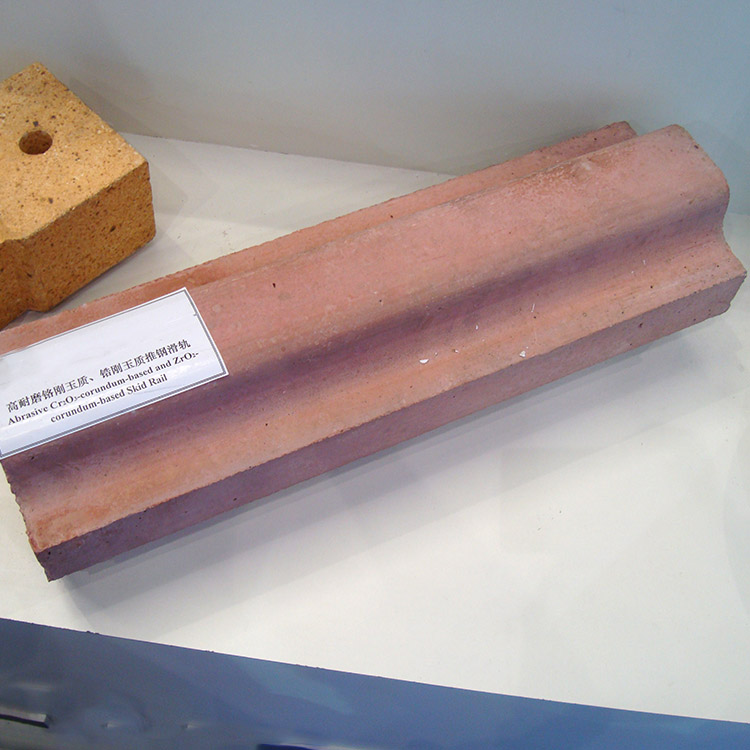
In one case, an Indian steel plant reduced refractory-related downtime from 14 days/month to just 4 days/month within six months of adopting ordinary magnesia-chrome brick. They also saw a measurable drop in energy consumption — up to 5% — due to better heat retention.
This isn't about replacing one product with another. It's about solving real pain points: inconsistent performance, hidden cost spikes, and long-term operational instability. When your kilns or furnaces run smoother, your team can focus on innovation — not constant repairs.
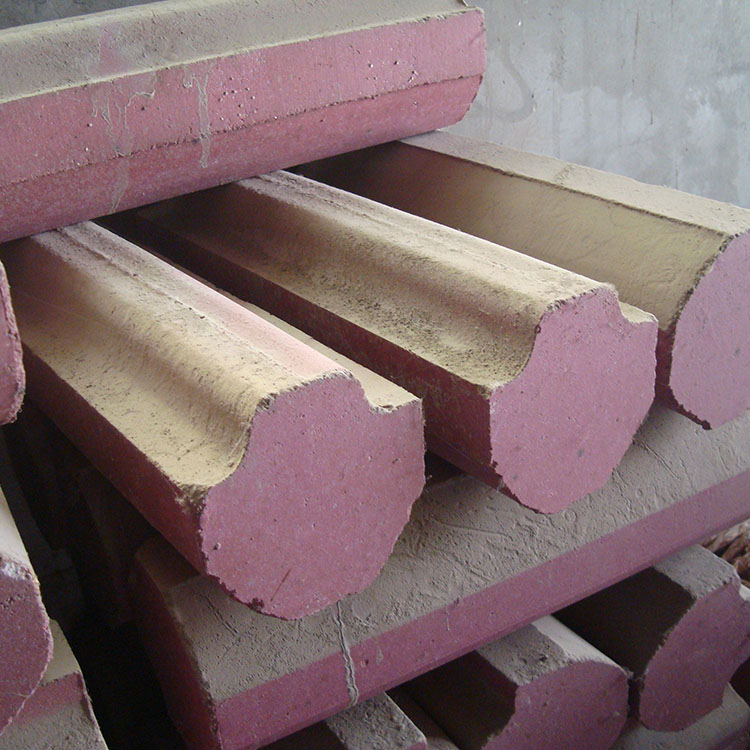
If you're facing recurring issues with refractory wear or inconsistent temperature control, it might be time to rethink your material strategy. The data speaks clearly: ordinary magnesia-chrome brick delivers tangible ROI in industrial settings worldwide.