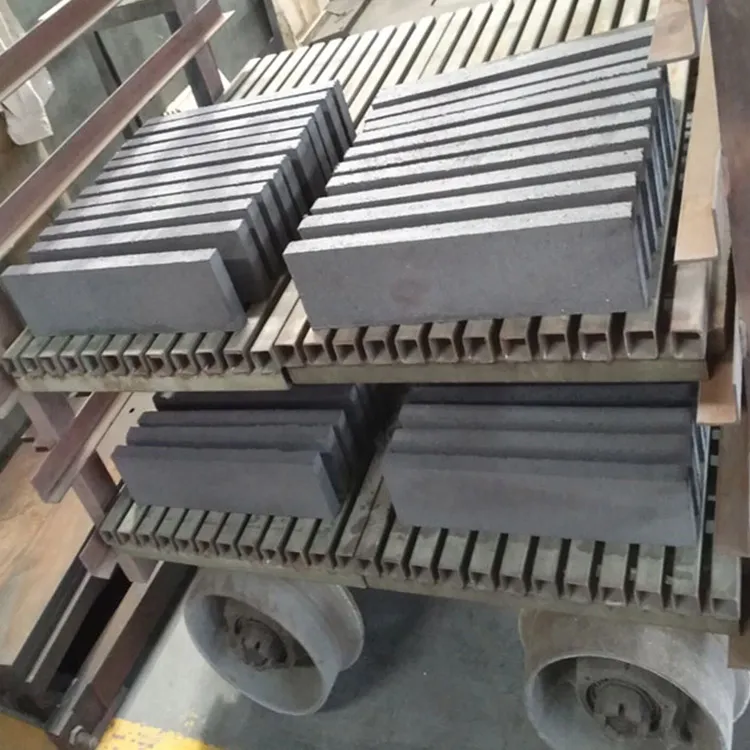
In the domains of non-ferrous mining, metallurgical blast furnaces, and ceramics manufacturing, the demand for superior refractory materials has never been greater. Among the various options available, silicon nitride bonded silicon carbide bricks have emerged as the industry benchmark, especially across Europe and North America. Their outstanding mechanical strength, excellent thermal conductivity, remarkable resistance to thermal shock, and formidable chemical erosion resistance position them as the optimal solution for high-temperature industrial applications.
These refractory bricks exhibit a compressive strength exceeding 120 MPa at 20°C, coupled with a thermal conductivity in the range of 25–30 W/m·K. What truly sets them apart, however, is their ability to withstand rapid temperature fluctuations without cracking, with a demonstrated thermal shock resistance surpassing conventional fireclay bricks by over 40%. Independent laboratory tests, compliant with ASTM C133 and ISO 1927 standards, confirm these attributes, ensuring reliability in the most demanding blast furnace environments.
| Property | Typical Value | Test Standard |
|---|---|---|
| Compressive Strength (20°C) | ≥ 120 MPa | ASTM C133 |
| Thermal Conductivity (1200°C) | 25–30 W/m·K | ISO 1927 |
| Thermal Shock Resistance | > 40% improvement vs. fireclay bricks | Internal Lab Testing |
| Corrosion Resistance (slag test) | Excellent chemical stability | ISO 13864 |
More than 80% of annual production volume of these silicon nitride bonded silicon carbide bricks is exported to European and North American markets, reflecting robust demand. Esteemed clients include top-tier metallurgical enterprises and non-ferrous mines such as ABC Metals Inc. and EuroCeramics Ltd., which have integrated these bricks extensively into their blast furnace linings and kiln solutions.
Users report significantly extended service life—up to 30% longer operational hours—and reduced maintenance downtime compared to traditional refractory options. This translates to tangible cost savings and improved process stability.
A prominent European foundry specializing in precision metal casting faced recurrent blast furnace shutdowns due to premature brick failures. After adopting silicon nitride bonded silicon carbide bricks for the inner lining, they achieved a running period increase from 8 months to 11 months without notable wear or degradation.
Thermal imaging analysis during operation revealed more uniform heat distribution indicative of superior thermal conductivity, contributing to fuel efficiency gains as well. The foundry reported a 15% reduction in energy consumption post-installation, underscoring the environmental and economic benefits.
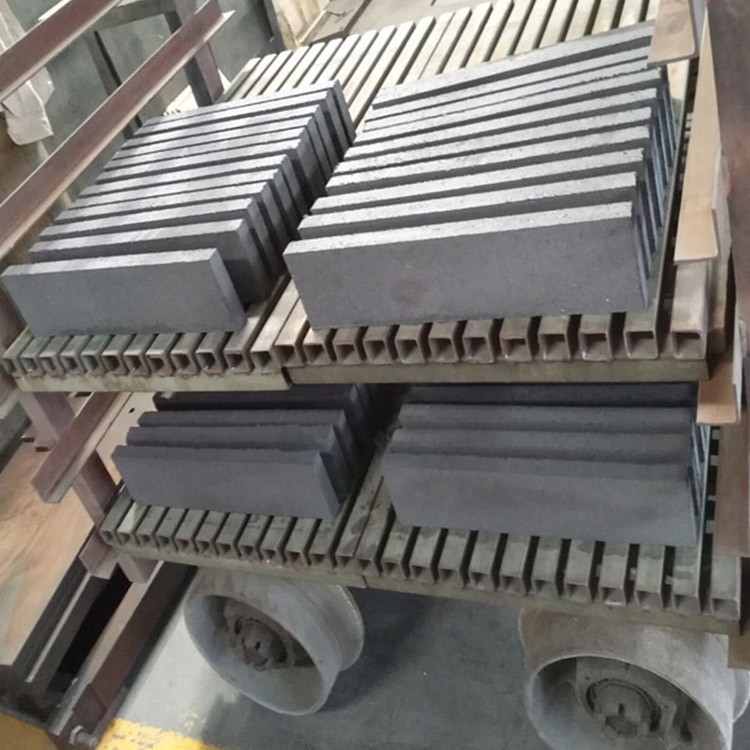
Selecting an optimal refractory material involves evaluating operational temperatures, chemical exposure, mechanical stresses, and cost-effectiveness. Silicon nitride bonded silicon carbide bricks masterfully balance these factors, positioning themselves as the refractory of choice in high-demand environments.
Their synthesis incorporates high-purity silicon nitride binders that enhance bonding strength, while the intrinsic wear resistance of silicon carbide particles protects against erosion caused by molten slags and mechanical abrasion.
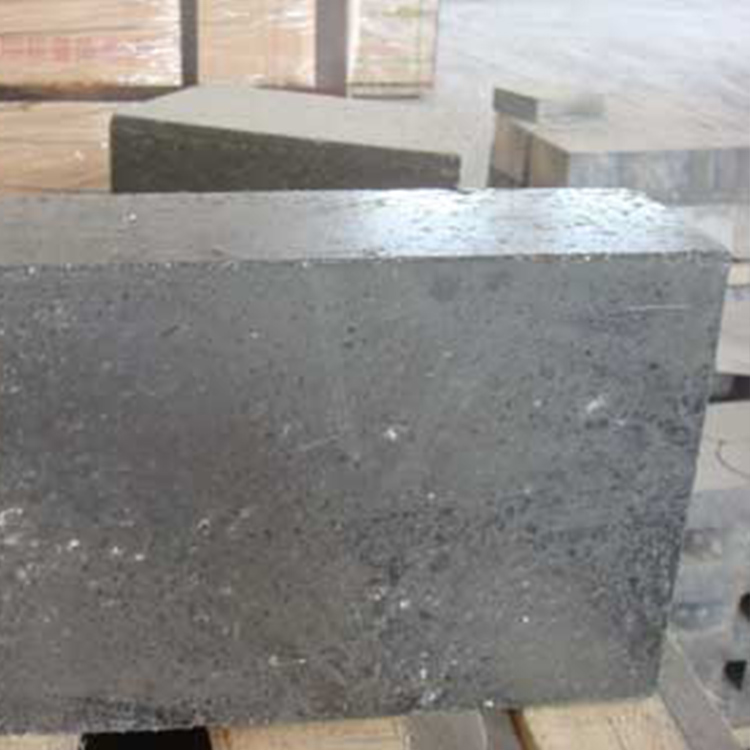
Furthermore, compliance with stringent quality controls and certifications assures buyers of consistent performance batch after batch—vital for uninterrupted industrial operations.
Given their proven advantages in performance and durability, silicon nitride bonded silicon carbide bricks represent an investment into operational excellence. Their adoption has been pivotal in enabling foundries, metallurgical plants, and ceramic manufacturers across Europe and North America to meet increasing productivity and sustainability goals.
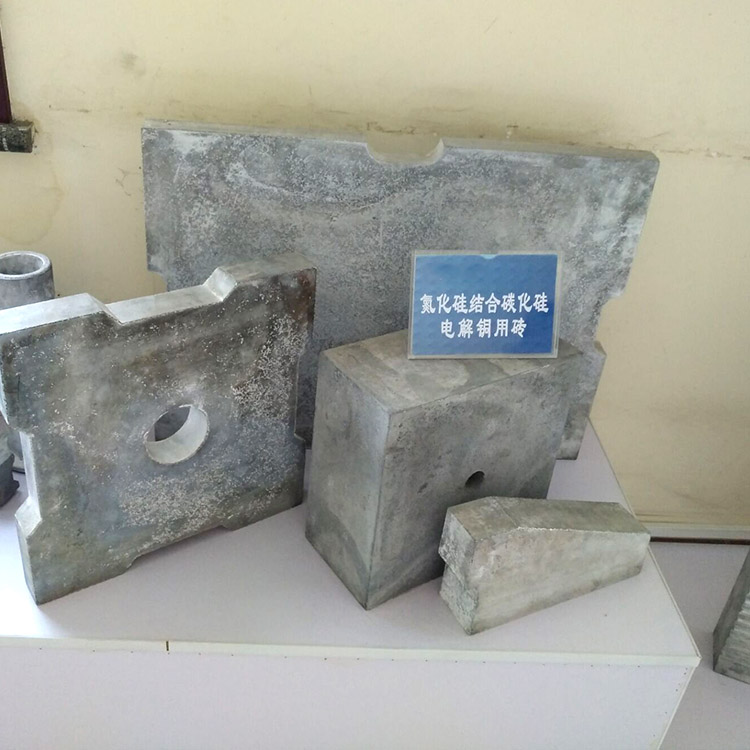
For companies seeking to elevate their refractory solutions with market-proven technology, carefully evaluate the integration of silicon nitride bonded silicon carbide bricks. Embrace the future of refractory materials with a product lauded for its technological excellence and market trust.