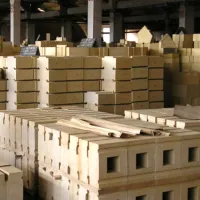
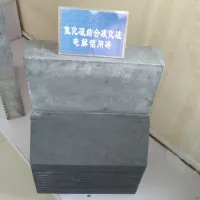
Selecting the right refractory materials is critical for glass furnace performance, longevity, and operational safety. With over [X] years of specialized experience serving glass manufacturers worldwide, Zhengzhou Sunrise Refractory Co., Ltd. understands the technical complexities involved in material selection. This guide outlines seven essential technical parameters that procurement and technical personnel should verify before finalizing refractory purchases, helping to minimize material selection errors and ensure optimal furnace performance.
Glass furnaces operate under extreme conditions—high temperatures, chemical corrosion, and thermal cycling—making refractory material performance critical. Incorrect material selection can lead to premature failure, increased maintenance costs, production downtime, and safety risks. By systematically verifying these seven technical parameters, glass manufacturers can make informed purchasing decisions aligned with their specific furnace requirements.
Precise dimensions ensure proper installation and structural integrity. Verify:
Poor dimensional control can result in gaps, uneven heating, and structural weakness in furnace linings.
These fundamental properties determine material suitability for specific furnace zones:
| Parameter | Significance |
|---|---|
| Density | Affects strength, thermal conductivity, and resistance to molten glass penetration |
| Porosity | Influences corrosion resistance and thermal insulation properties |
| Chemical composition | Determines compatibility with glass compositions and operating environments |
Request certified test reports for key components like Al₂O₃, ZrO₂, SiO₂, and impurity levels.
This critical parameter indicates the temperature at which the material begins to deform under load, directly impacting structural stability in high-temperature zones. Ensure the LST exceeds the maximum operating temperature of the target furnace zone by an appropriate safety margin.
Glass melts and batch materials can aggressively erode refractory surfaces. Evaluate:
Glass furnace operations involve frequent temperature changes, creating thermal stress. Materials with poor thermal shock stability are prone to cracking and spalling. Verify the material's ability to withstand rapid temperature fluctuations through standardized thermal shock testing results.
Appropriate thermal conductivity values are essential for energy efficiency and temperature control:
Select values based on the specific thermal requirements of each furnace section.
Refractories must withstand mechanical stresses during installation, operation, and thermal cycling. Key strength parameters include:
"At Zhengzhou Sunrise Refractory, we recognize that each glass furnace has unique operational requirements. Our technical team works closely with clients to verify these critical parameters, ensuring our refractory solutions—including our premium electrocast AZS bricks, mullite bricks, and corundum bricks—are precisely matched to their specific application needs."
To effectively apply these parameters in your procurement process:
With our focus on serving glass manufacturers worldwide, Zhengzhou Sunrise Refractory Co., Ltd. provides technical support throughout the procurement process. Our team can help interpret technical data, recommend appropriate materials based on your specific furnace conditions, and ensure compliance with international quality standards.
Contact our technical team to discuss your refractory material requirements and implement an effective parameter verification process.
By systematically verifying these seven technical parameters, glass enterprises can significantly reduce material selection errors, optimize furnace performance, and extend campaign life. Zhengzhou Sunrise Refractory Co., Ltd. remains committed to supporting glass manufacturers with high-quality refractory solutions and专业 technical guidance tailored to the unique demands of the glass industry.

 325
|
325
|
 hot stove conductive silica brick
blast furnace refractory upgrade
silica brick performance advantages
blast furnace wind temperature solution
refractory material innovation
258
|
high thermal conductivity silica bricks
uniform pore distribution
thermal performance enhancement
refractory material technology
industrial energy saving
hot stove conductive silica brick
blast furnace refractory upgrade
silica brick performance advantages
blast furnace wind temperature solution
refractory material innovation
258
|
high thermal conductivity silica bricks
uniform pore distribution
thermal performance enhancement
refractory material technology
industrial energy saving
 260
|
silica bricks for hot blast stoves
high thermal conductivity silica bricks
industrial energy-saving materials
hot blast stove refractory bricks
silica brick reliability
260
|
silica bricks for hot blast stoves
high thermal conductivity silica bricks
industrial energy-saving materials
hot blast stove refractory bricks
silica brick reliability
 299
|
glass furnace configuration
key parts materials
fused corundum brick
zircon brick
Zhengzhou Sunrise Refractory Co., Ltd.
299
|
glass furnace configuration
key parts materials
fused corundum brick
zircon brick
Zhengzhou Sunrise Refractory Co., Ltd.
 77
|
silica bricks for coke ovens
high purity silica bricks
coke oven lifespan
refractory silica bricks
quartz refractory materials
77
|
silica bricks for coke ovens
high purity silica bricks
coke oven lifespan
refractory silica bricks
quartz refractory materials