Refractory materials are the backbone of industrial production, especially in high - temperature processes. They play a crucial role in protecting industrial furnaces and ensuring their stable operation. In industries such as steel, cement, and glass, refractory materials directly affect the quality of products, production efficiency, and energy consumption.
In the mid - 20th century, traditional magnesia - chromite bricks had several limitations. For example, the expansion of iron oxide spinel in some bricks led to loosening. Unfired bricks had good thermal stability but poor high - temperature strength. The high - temperature strength of traditional magnesia - chromite bricks was only about 50MPa, which was difficult to meet the requirements of high - temperature and high - pressure industrial environments. This limitation often led to a significant reduction in the service life of industrial furnaces, increasing production costs for enterprises.
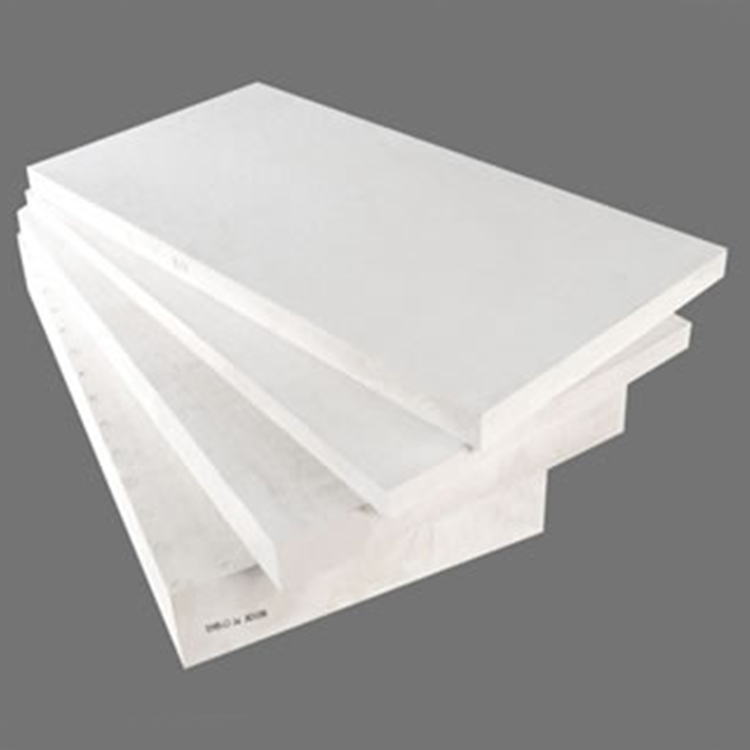
To address the limitations of traditional magnesia - chromite bricks, researchers began to develop directly bonded magnesia - chromite bricks. The main motivation was to improve the high - temperature strength and thermal shock stability of bricks. Through continuous research and development, key technical paths such as optimizing raw material ratios and improving firing processes were found. By increasing the content of direct bonding phases, the high - temperature strength of the bricks was effectively improved.
Let's conduct a comparative analysis of directly bonded magnesia - chromite bricks and traditional bricks from multiple dimensions:
| Indicator | Traditional Magnesia - Chromite Bricks | Directly Bonded Magnesia - Chromite Bricks |
|---|---|---|
| High - Temperature Strength | About 50MPa | About 80MPa (a 60% increase) |
| Thermal Shock Stability | Poor | Good, can withstand more than 10 thermal shock cycles |
| Production Process Complexity | Relatively simple | Relatively complex, but the performance improvement is significant |
Directly bonded magnesia - chromite bricks have a significant impact on industrial furnaces. Firstly, they can extend the service life of industrial furnaces. Traditional bricks may need to be replaced every 6 - 8 months, while directly bonded magnesia - chromite bricks can be used for more than 12 months, an increase of about 50%. Secondly, they can reduce energy consumption. By improving the insulation performance of the furnace lining, energy consumption can be reduced by about 15%. This not only reduces production costs for enterprises but also improves economic benefits.
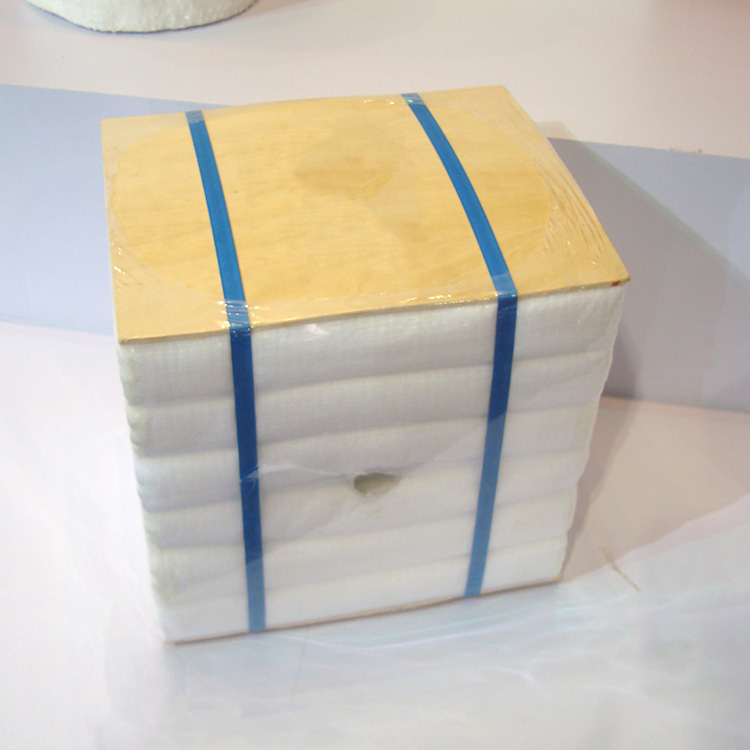
In the steel industry, a steel plant replaced traditional magnesia - chromite bricks with directly bonded magnesia - chromite bricks. After the replacement, the service life of the converter lining was extended from 1200 heats to 1800 heats, an increase of 50%. In the cement industry, a cement plant used directly bonded magnesia - chromite bricks in the kiln inlet, which reduced the maintenance frequency and improved the production efficiency of the kiln.
Looking to the future, directly bonded magnesia - chromite bricks still have great development potential. With the continuous development of industries such as steel and cement, the demand for high - performance refractory materials will continue to increase. Researchers will continue to optimize the performance of directly bonded magnesia - chromite bricks, such as further improving high - temperature strength and reducing production costs. Do you also face the problem of short furnace life? Choose directly bonded magnesia - chromite bricks, and let your furnaces be more durable and efficient!
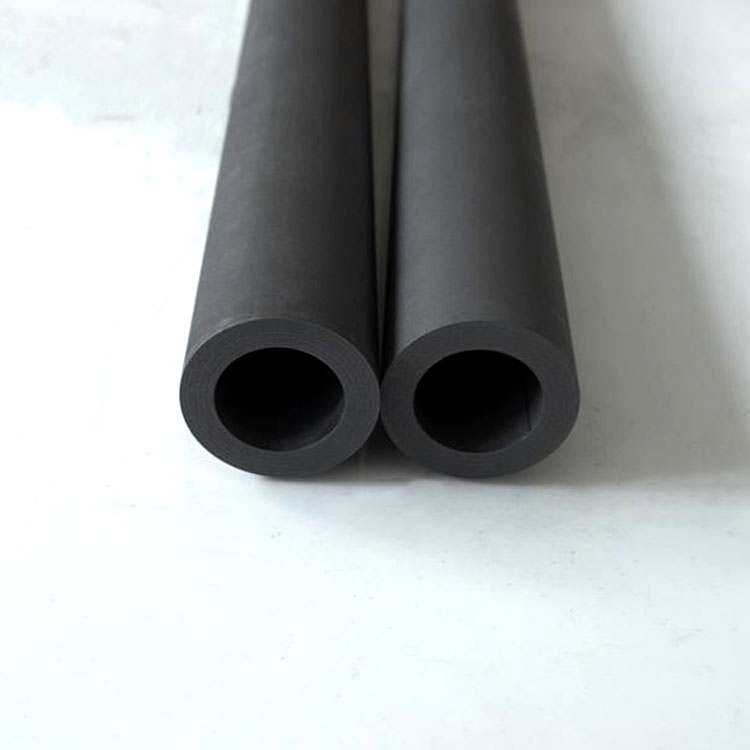
Are you ready to enhance your industrial furnace performance? Click here to learn more about directly bonded magnesia - chromite bricks and make a long - term stable investment for your business!