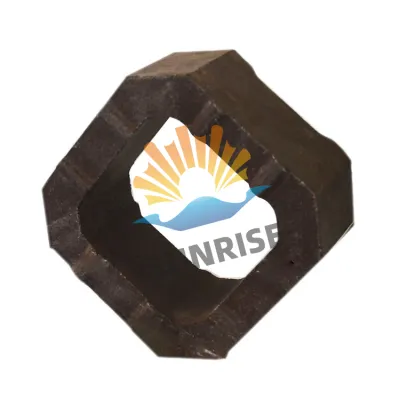
In the high-temperature industrial realm, the quest for top-notch refractory materials is a continuous challenge. As industries such as steel smelting and glass manufacturing operate under extreme conditions, the demand for materials that can withstand high temperatures, chemical corrosion, and mechanical stress is ever - increasing. This article delves into the outstanding performance of ordinary magnesia - chrome bricks in high - temperature industries, highlighting them as the preferred choice among high - temperature resistant materials.
Ordinary magnesia - chrome bricks possess remarkable physical and chemical properties. In terms of strength, they have a compressive strength of up to 50 MPa, which is significantly higher than many other refractory materials. This high strength allows them to maintain their structural integrity under heavy loads in high - temperature environments.
When it comes to corrosion resistance, magnesia - chrome bricks are highly resistant to various corrosive substances. For example, in experiments, they showed a weight loss of less than 5% after being exposed to strong acid solutions for 24 hours, indicating their excellent corrosion - resistant ability. Their anti - slag property is also outstanding. In steel smelting, slag can cause severe damage to refractory materials. However, ordinary magnesia - chrome bricks can resist slag penetration effectively, with a slag penetration depth of only about 5 mm in a 10 - hour test, compared to a much deeper penetration in other materials.
One of the most remarkable features of ordinary magnesia - chrome bricks is their thermal shock stability. They can withstand rapid temperature changes without cracking. In a thermal shock test, they could endure more than 20 cycles of rapid heating from room temperature to 1000°C and then rapid cooling to room temperature, while many other materials failed after only a few cycles.
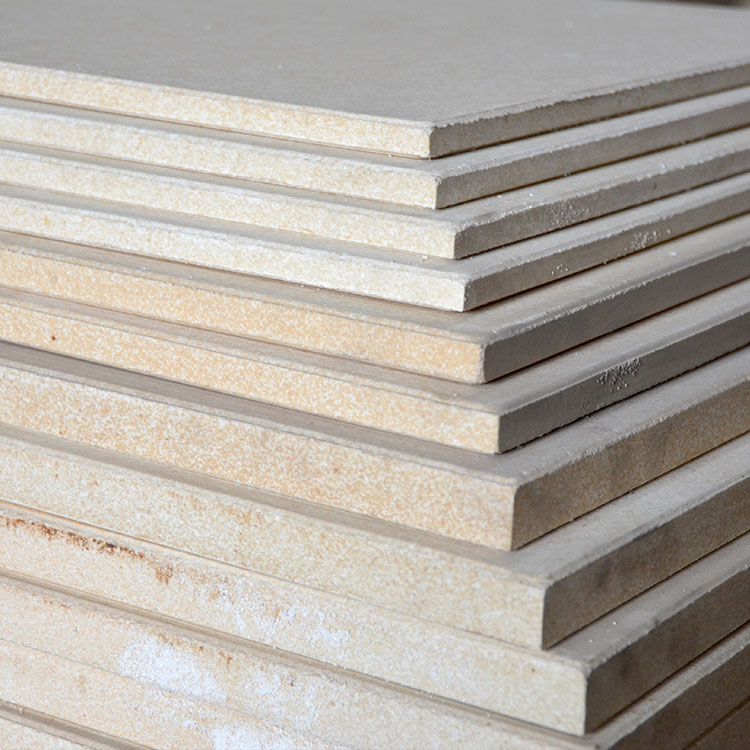
Ordinary magnesia - chrome bricks have extensive applications in various high - temperature industries. In the steel - making process, they are used in the lining of steel converters and electric arc furnaces. Their high strength and anti - slag property ensure the long - term stable operation of these furnaces, reducing maintenance costs and improving production efficiency. For instance, in a large - scale steel plant, the use of ordinary magnesia - chrome bricks extended the service life of the converter lining from 3000 heats to 5000 heats.
In the glass - manufacturing industry, they are used in glass melting furnaces. The corrosion resistance and thermal shock stability of magnesia - chrome bricks are crucial for maintaining the quality of glass production. They can resist the corrosion of molten glass and the thermal stress caused by temperature changes during the melting and cooling processes.
To better understand the advantages of ordinary magnesia - chrome bricks, a comparison with magnesia bricks is necessary. Magnesia bricks are also commonly used in high - temperature industries, but they have some limitations. In terms of strength, magnesia bricks usually have a compressive strength of around 30 MPa, which is lower than that of magnesia - chrome bricks. Their corrosion resistance is also relatively weaker. In the same acid - corrosion test, magnesia bricks showed a weight loss of about 10%, twice that of magnesia - chrome bricks.
When it comes to thermal shock stability, magnesia bricks can only withstand about 10 cycles of rapid heating and cooling, half of what magnesia - chrome bricks can endure. In practical applications, in a glass - melting furnace, magnesia bricks needed to be replaced more frequently due to cracking and corrosion, while ordinary magnesia - chrome bricks maintained a stable performance for a longer time.
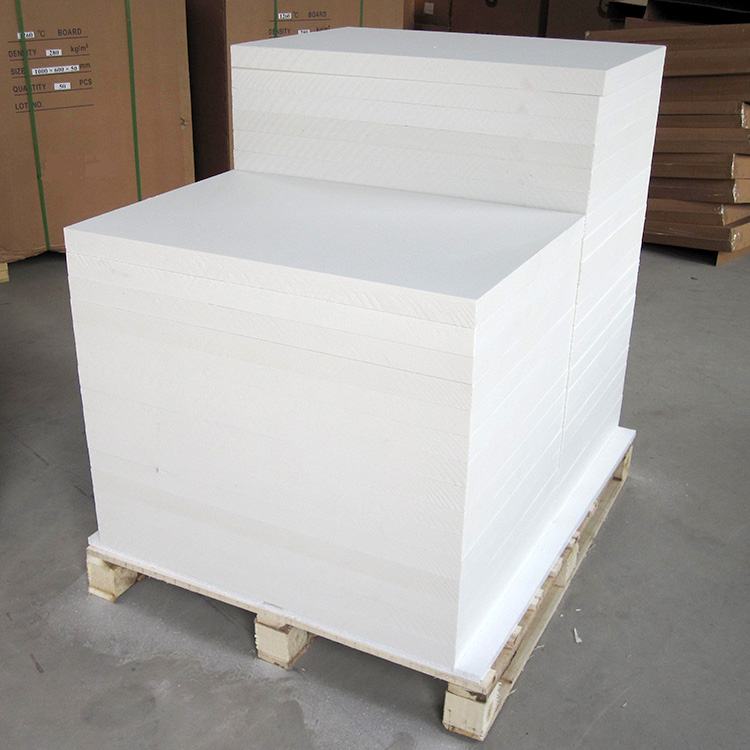
Many customers have benefited from using ordinary magnesia - chrome bricks. A steel company in Europe reported that after switching from magnesia bricks to ordinary magnesia - chrome bricks in their steel converters, they reduced their annual refractory material cost by 20% and increased their production capacity by 15%. Another glass - manufacturing enterprise in Asia found that the use of magnesia - chrome bricks improved the quality of their glass products and reduced the frequency of furnace repairs.
In conclusion, ordinary magnesia - chrome bricks stand out as the preferred high - temperature resistant material in high - temperature industries. Their high strength, corrosion resistance, anti - slag property, and excellent thermal shock stability make them suitable for a wide range of applications. Compared with magnesia bricks, they offer significant advantages in performance and cost - effectiveness. If you are looking for a reliable high - temperature resistant material for your industrial needs, we invite you to explore more about our ordinary magnesia - chrome bricks and discover how they can enhance your production processes.
.jpg?x-oss-process=image/resize,h_600,m_lfit/format,webp)
 86
|
86
|
 directly bonded magnesite-chrome bricks
refractory materials innovation
high-temperature strength solutions
directly bonded magnesite-chrome bricks
refractory materials innovation
high-temperature strength solutions
 456
|
high thermal conductivity silicon brick
pore structure optimization
thermal performance improvement
silicon brick microstructure analysis
industrial refractory materials
456
|
high thermal conductivity silicon brick
pore structure optimization
thermal performance improvement
silicon brick microstructure analysis
industrial refractory materials
.jpg?x-oss-process=image/resize,h_600,m_lfit/format,webp) 189
|
magnesia-chrome bricks thermal shock stability
high-temperature refractory applications
performance advantages magnesia-chrome
189
|
magnesia-chrome bricks thermal shock stability
high-temperature refractory applications
performance advantages magnesia-chrome
 92
|
Vermiculite insulation boards
Electrolytic aluminum cell insulation materials
High - temperature insulation
Energy - saving materials
Aluminum industry insulation
92
|
Vermiculite insulation boards
Electrolytic aluminum cell insulation materials
High - temperature insulation
Energy - saving materials
Aluminum industry insulation
 192
|
Silicon nitride bonded silicon carbide bricks
Thermal shock resistant refractory materials
Erosion resistant refractory bricks
Ceramic industry refractory materials
High - performance refractory bricks
192
|
Silicon nitride bonded silicon carbide bricks
Thermal shock resistant refractory materials
Erosion resistant refractory bricks
Ceramic industry refractory materials
High - performance refractory bricks

.jpg?x-oss-process=image/resize,m_fill,h_200,w_200/format,webp)
.jpg?x-oss-process=image/resize,m_fill,h_200,w_200/format,webp)