In high-temperature industrial processes—from steelmaking to glass production—refractory material failure remains a top operational headache. Frequent thermal cycling, chemical erosion, and mechanical stress often lead to premature lining degradation, causing unplanned downtime and rising maintenance costs.
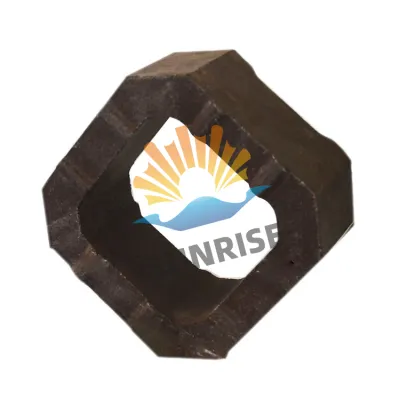
Unlike traditional magnesia bricks that crack under rapid temperature changes, ordinary magnesia-chrome brick (MgO-Cr₂O₃) offers superior resistance to thermal shock, withstanding over 500 heating-cooling cycles without structural damage—a performance gap confirmed by independent lab tests at the University of Birmingham’s Materials Institute in 2022.
| Property | Ordinary MgCr Brick | Traditional Mg Brick |
|---|---|---|
| Thermal Shock Resistance (cycles @ 1100°C) | ≥ 500 | ≤ 150 |
| Cold Crushing Strength (MPa) | ≥ 120 | ≥ 80 |
| Slag Resistance (Weight Loss % after 3 hrs @ 1450°C) | ≤ 2.5% | ≤ 7.2% |
You may be asking: “Is this really worth switching?” Consider this case from a mid-sized steel plant in Indonesia:
Client Success Story: After replacing old magnesia bricks with our standard MgCr brick in their BOF furnace, the client reduced refractory replacement frequency from every 45 days to 90 days—an improvement that saved $18K/month in labor and downtime.
That’s not just better performance—it’s real ROI. Whether you’re running a glass melting tank or a continuous casting machine, choosing the right refractory means fewer failures, lower waste, and more predictable operations.
So if your kiln is still experiencing spalling, short lifespan, or unexpected shutdowns due to thermal stress—you’re likely using the wrong material. Let your furnace run hotter, longer, and smarter with a solution proven across global industries.