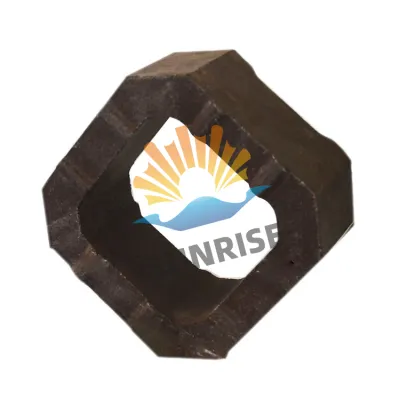
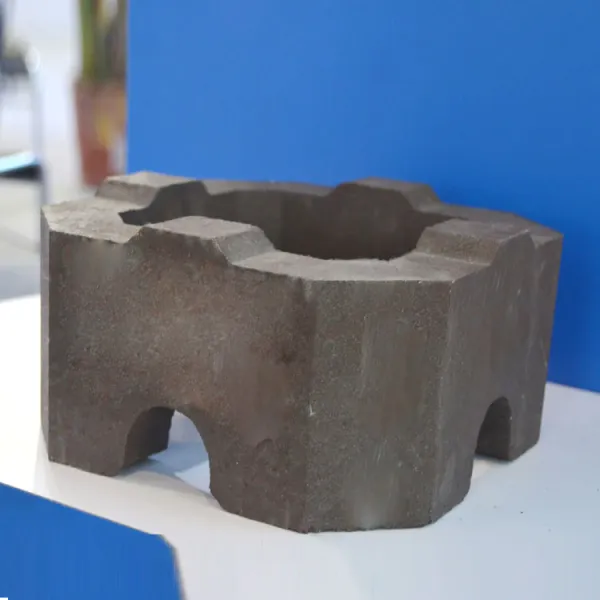
In industries where extreme heat and corrosive environments prevail, selecting the right refractories can significantly affect operational efficiency and longevity. Basic magnesium chromite bricks (mag-chrome bricks) have established themselves as vital materials in sectors such as steelmaking and glass manufacturing. This article explores their outstanding physicochemical properties with an emphasis on heat shock resistance and slag corrosion protection, supported by data and practical applications.
Basic mag-chrome bricks combine high magnesium oxide (MgO) and chromium oxide (Cr2O3) contents, featuring exceptional refractory strength and chemical stability. Typical compositions show MgO content ranging from 65% to 78% and Cr2O3 between 20% and 30%, offering superior corrosion and erosion resistance compared to pure magnesia bricks.
| Property | Mag-Chrome Brick | Pure Magnesite Brick |
|---|---|---|
| Cold Crushing Strength (MPa) | 90–130 | 70–100 |
| Slag Corrosion Resistance (mm/year) | 0.7–1.2 | 1.5–2.3 |
| Thermal Shock Resistance (cycles) | >35 | ~20 |
One of the critical challenges in high-temperature applications is enduring repeated rapid temperature changes without degradation. Magnesium chromite bricks exhibit a superior ability to tolerate thermal shock due to their stable crystalline structure and low thermal expansion coefficient (~7.6×10⁻⁶/°C). Independent lab tests demonstrate that mag-chrome bricks withstand over 35 cycles of heating to 1500°C followed by rapid cooling without significant cracking, outperforming many conventional alternatives.
This translates to fewer maintenance shutdowns and longer lining life for installations such as steel ladles and glass furnace regenerators—leading to operational continuity and reduced costs.
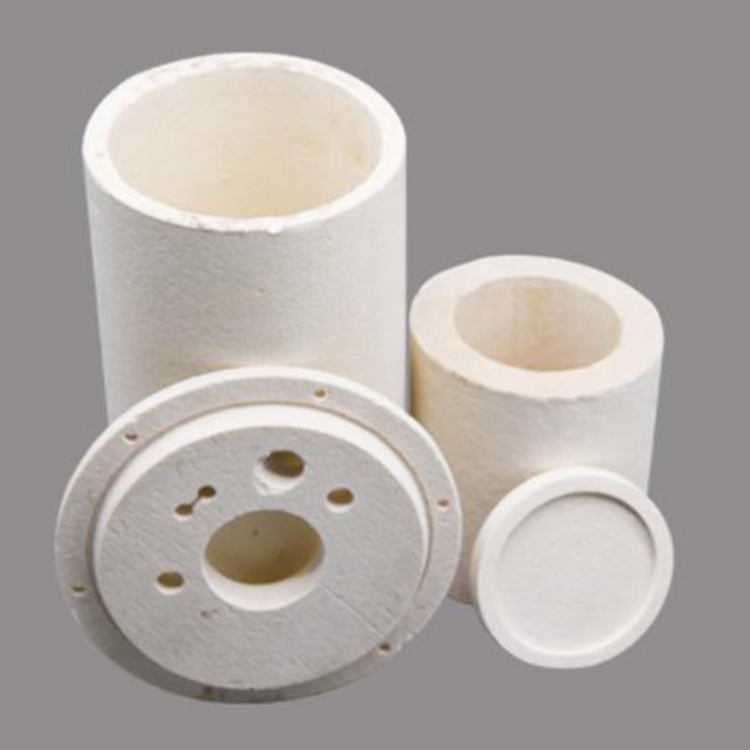
Slag corrosion poses significant threats to lining materials used in furnaces. The presence of chromium oxide in mag-chrome bricks boosts their chemical resistance against basic slags and aggressive fluxes commonly found in steelmaking and glass refining.
Field data from steel plants show that mag-chrome bricks experience up to 40% lower wear rates than traditional magnesite bricks under comparable slag exposure, attributable to the formation of a dense Cr2O3 passivation layer that impedes slag infiltration.
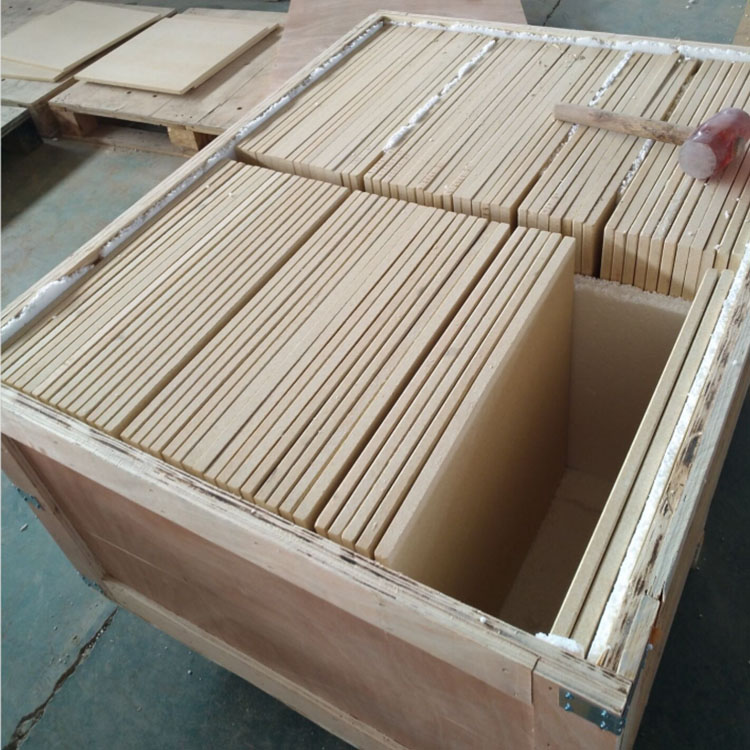
In the steelmaking industry, mag-chrome bricks are widely used in converter linings, ladle refinement, and tundish applications. For instance, a leading global steel producer reported a 25% extension in lining life after switching from traditional magnesite to mag-chrome bricks, with corresponding decreases in downtime and refractory replacement costs.
Similarly, glass manufacturers benefit from the bricks’ chemical stability against alkaline slags, improving furnace longevity and product quality. The adoption of mag-chrome bricks in regenerative chambers reduced thermal fatigue-related failures by over 30% in one major glass plant.
For further technical details, customized solutions, or sourcing inquiries, visiting our website will provide comprehensive resources, datasheets, and direct contact channels with our refractory experts.
 437
|
437
|
 direct bonded magnesia-chrome bricks
high-performance refractory materials
refractory materials market trends
direct bonded magnesia-chrome bricks
high-performance refractory materials
refractory materials market trends
 424
|
silicon nitride bonded silicon carbide bricks
premium refractory materials
international recognition
customer case studies
market data
424
|
silicon nitride bonded silicon carbide bricks
premium refractory materials
international recognition
customer case studies
market data
 66
|
silicon nitride bonded silicon carbide brick
high thermal conductivity refractory
thermal shock resistance in refractories
refractory lifespan improvement
non-ferrous metallurgy refractory
66
|
silicon nitride bonded silicon carbide brick
high thermal conductivity refractory
thermal shock resistance in refractories
refractory lifespan improvement
non-ferrous metallurgy refractory
.jpg?x-oss-process=image/resize,h_600,m_lfit/format,webp) 68
|
directly bonded magnesia-chrome bricks
traditional magnesia-chrome bricks
refractory materials performance comparison
68
|
directly bonded magnesia-chrome bricks
traditional magnesia-chrome bricks
refractory materials performance comparison
.jpg?x-oss-process=image/resize,h_600,m_lfit/format,webp) 276
|
silicon nitride-bonded silicon carbide bricks
application in non-ferrous metal mining
refractory materials
international recognition
product performance advantages
276
|
silicon nitride-bonded silicon carbide bricks
application in non-ferrous metal mining
refractory materials
international recognition
product performance advantages



.jpg?x-oss-process=image/resize,m_fill,h_200,w_200/format,webp)