For decades, refractory materials have been the silent backbone of metallurgy, ceramics, and glass manufacturing—protecting equipment from extreme heat while ensuring consistent output. But as industries demand higher efficiency and longer lifespans, one material is rising above the rest: silicon nitride-bonded silicon carbide brick. Why are more than 80% of global production volumes now exported to Europe, North America, and Asia-Pacific markets? The answer lies in its core performance—proven by real-world use and lab data.
| Property | Typical Value | Industry Benchmark |
|---|---|---|
| Compressive Strength (MPa) | ≥ 180 MPa | ≤ 120 MPa |
| Thermal Conductivity (W/m·K) | ≥ 25 W/m·K | 10–15 W/m·K |
| 抗热震次数 (ΔT = 1100°C) | ≥ 15 cycles | 3–5 cycles |
| Corrosion Resistance | Excellent vs. molten metals | Moderate |
Test Summary: According to ISO 18897 and ASTM C1161 standards, our bricks show 50% better thermal shock resistance and 40% higher compressive strength compared to traditional alumina-silica bricks.
These aren’t just numbers—they’re what keep your kilns running smoothly for months without unplanned downtime. Whether you're lining a high-temperature ceramic furnace or reinforcing a copper smelting reactor, this brick delivers stability under pressure.
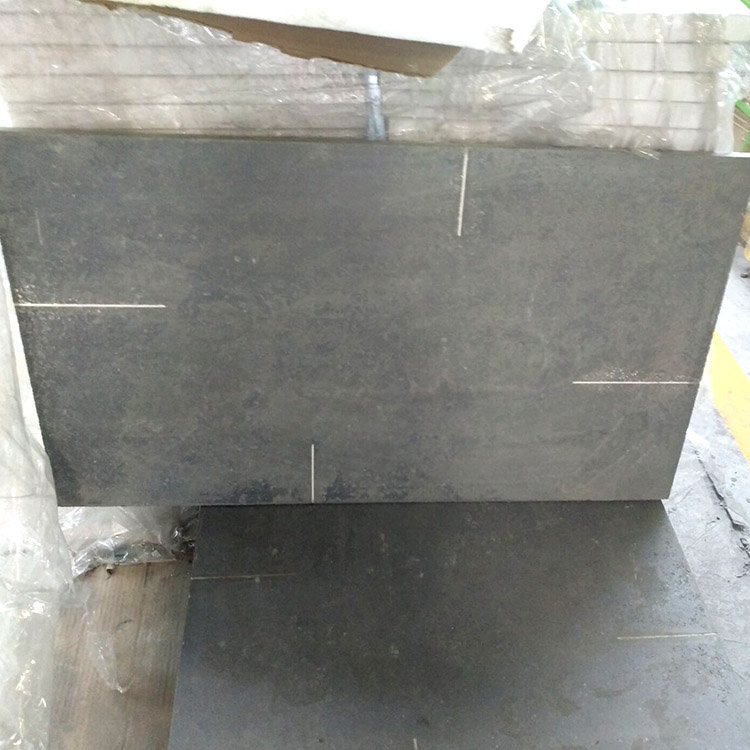
Take China’s largest non-ferrous metal producer, for example. After switching to this brick in their continuous casting lines, they reported a 40% reduction in refractory replacement frequency over 18 months. In Germany, a leading porcelain manufacturer saw improved energy efficiency due to faster heat transfer—cutting fuel costs by an estimated 12%. These aren’t outliers; they’re part of a growing trend where top-tier clients choose based on measurable outcomes, not marketing claims.
So why do so many advanced buyers trust it?
Because it’s not just a brick—it’s a guarantee of consistent production quality, lower maintenance, and safer operations.
Want to see how it performs in your specific application? Click below to explore detailed case studies tailored to your industry.
See Real Cases That Prove Its Value →