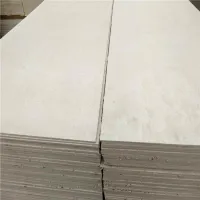
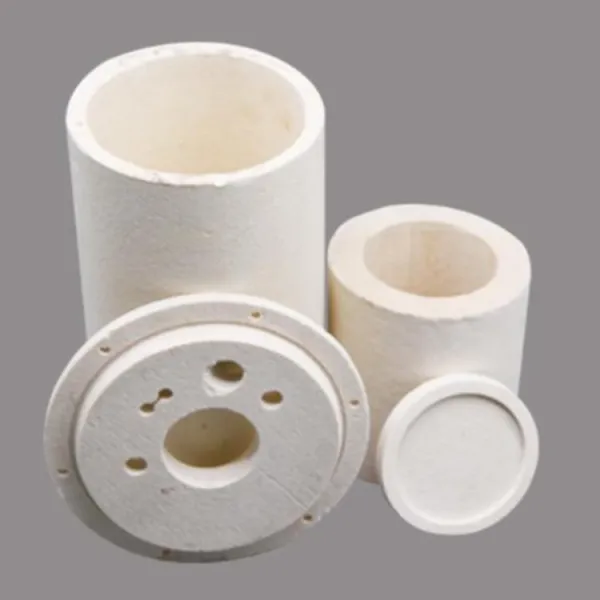
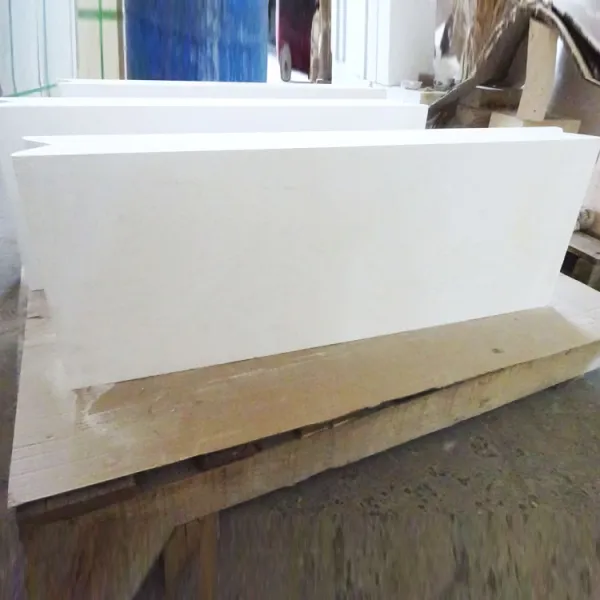
In the aluminum industry, electrolytic aluminum cells are known for their high energy consumption and significant maintenance costs. These challenges have long been a concern for aluminum industrial enterprises. However, the application of vermiculite insulation boards offers a promising solution to these problems, enabling effective energy conservation and cost control.
Vermiculite insulation boards possess several key features that make them ideal for use in electrolytic aluminum cells. First, they have a wide operating temperature range, typically from 600°C to 1000°C, which allows them to maintain stable performance under high - temperature conditions. In high - temperature environments, vermiculite insulation boards can effectively purify organic impurities. Tests have shown that they can reduce organic impurities in the surrounding environment by up to 80%, thus protecting the internal structure of the electrolytic aluminum cell and reducing potential damage.
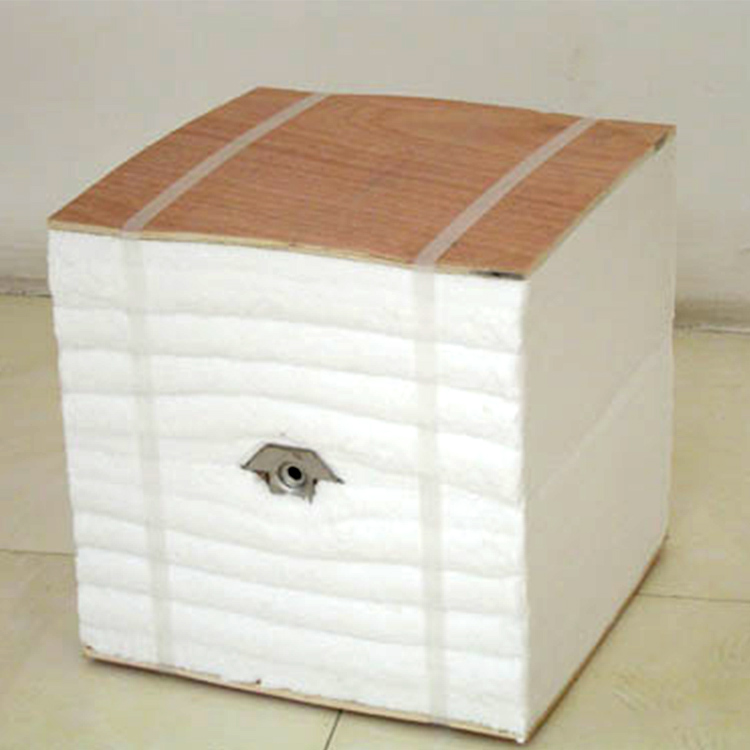
In terms of physical properties, vermiculite insulation boards have significantly improved strength. Compared with traditional insulation materials, their compressive strength has increased by about 30%. This enhanced strength ensures that the insulation boards can withstand the mechanical stress within the electrolytic aluminum cell without being easily damaged. Moreover, vermiculite insulation boards have a low thermal conductivity. The thermal conductivity can be as low as 0.1 - 0.2 W/(m·K), which is much lower than that of traditional insulation materials. This low thermal conductivity effectively reduces heat transfer and minimizes heat loss from the electrolytic aluminum cell.
When compared with traditional insulation materials commonly used in the industry, such as asbestos and ceramic fiber boards, vermiculite insulation boards show remarkable advantages. Traditional materials often have relatively high thermal conductivity, resulting in significant heat loss. For example, the thermal conductivity of asbestos is about 0.2 - 0.3 W/(m·K), which is 10% - 50% higher than that of vermiculite insulation boards. In addition, traditional materials may release harmful substances at high temperatures, posing risks to the environment and the health of workers. Vermiculite insulation boards, on the other hand, are environmentally friendly and do not release harmful substances.
In terms of service life, traditional insulation materials may need to be replaced every 1 - 2 years due to wear and tear. In contrast, vermiculite insulation boards can extend the service life of electrolytic aluminum cells by up to 3 - 5 years. This not only reduces the frequency of equipment replacement but also significantly lowers maintenance costs.
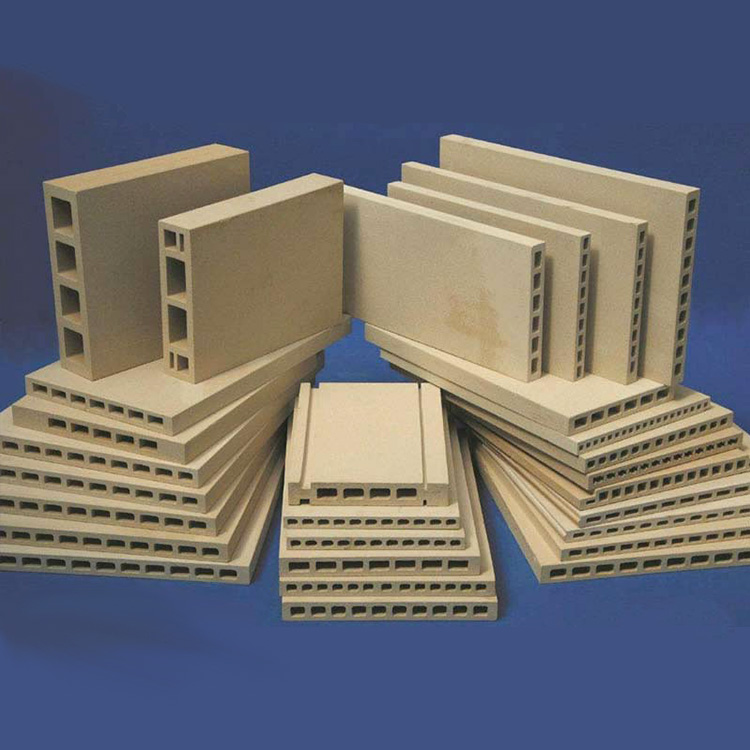
Many aluminum industrial enterprises have already benefited from the application of vermiculite insulation boards. For example, Company A, an aluminum smelter, installed vermiculite insulation boards in its electrolytic aluminum cells. After a period of operation, the company found that the energy consumption per ton of aluminum production decreased by 15%. This reduction in energy consumption directly translated into significant cost savings. At the same time, the maintenance cost of the electrolytic aluminum cells decreased by 20% due to the extended service life of the equipment.
Another company, Company B, also reported similar positive results. By using vermiculite insulation boards, the heat loss of their electrolytic aluminum cells was reduced by 25%, and the overall production efficiency increased by 10%. These real - world cases clearly demonstrate the effectiveness of vermiculite insulation boards in energy conservation and cost control.
In conclusion, vermiculite insulation boards offer a practical and effective solution for aluminum industrial enterprises to address the issues of high energy consumption and high maintenance costs in electrolytic aluminum cells. Their unique properties, such as high - temperature purification, low thermal conductivity, and increased strength, make them stand out from traditional insulation materials. Through real - world application cases, we can see that vermiculite insulation boards can help enterprises achieve significant energy savings and cost reduction, thereby enhancing their competitiveness in the market.
If you are an aluminum industrial enterprise looking to optimize energy utilization and control costs, we encourage you to learn more about vermiculite insulation boards. Click here to contact us and start your journey towards energy - efficient and cost - effective production. We also welcome you to leave your comments and questions below to discuss the application of vermiculite insulation boards in the aluminum industry!
 124
|
124
|
 ordinary magnesia-chrome bricks
high-temperature refractory materials
thermal shock resistance
slag corrosion resistance
steelmaking refractory solutions
ordinary magnesia-chrome bricks
high-temperature refractory materials
thermal shock resistance
slag corrosion resistance
steelmaking refractory solutions
 328
|
thermal silicon brick for hot blast stoves
high alumina brick performance comparison
refractory material life span data
hot blast stove refractory solutions
silicon brick vs high alumina brick
328
|
thermal silicon brick for hot blast stoves
high alumina brick performance comparison
refractory material life span data
hot blast stove refractory solutions
silicon brick vs high alumina brick
 451
|
Silicon nitride bonded silicon carbide bricks
refractory material selection
blast furnace refractory bricks
non-ferrous mining refractory bricks
high thermal performance refractory bricks
451
|
Silicon nitride bonded silicon carbide bricks
refractory material selection
blast furnace refractory bricks
non-ferrous mining refractory bricks
high thermal performance refractory bricks
 132
|
Direct-bonded magnesia-chrome bricks
Refractory materials
Industrial furnace service life
High-temperature strength
Magnesia-chrome brick R & D
132
|
Direct-bonded magnesia-chrome bricks
Refractory materials
Industrial furnace service life
High-temperature strength
Magnesia-chrome brick R & D
 316
|
magnesium chrome brick
thermal shock resistance
high temperature refractory materials
corrosion resistant brick
metallurgical furnace lining
316
|
magnesium chrome brick
thermal shock resistance
high temperature refractory materials
corrosion resistant brick
metallurgical furnace lining



.jpg?x-oss-process=image/resize,m_fill,h_200,w_200/format,webp)
.jpg?x-oss-process=image/resize,m_fill,h_200,w_200/format,webp)