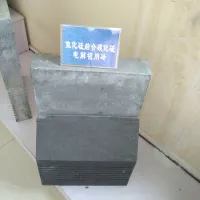
In the metallurgical blast furnace industry, traditional refractory materials have long been a source of headache. They are prone to rapid wear and tear, leading to a significant reduction in thermal efficiency. As a result, enterprises face mounting operational cost pressures. For example, in some large - scale metallurgical plants, the cost of replacing traditional refractory materials accounts for up to 20% of the total production cost annually. This high - cost situation has become a major obstacle to the industry's development.
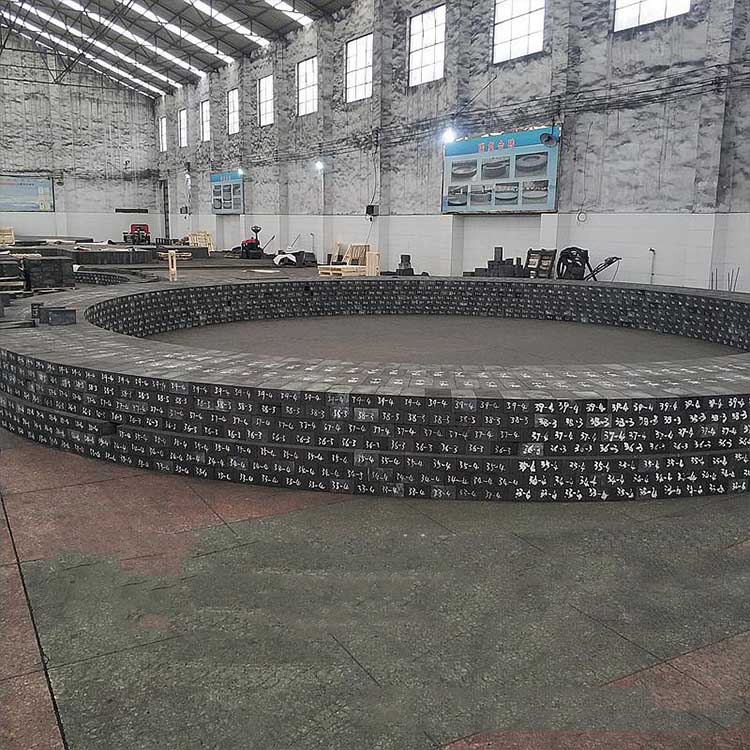
Silicon nitride bonded silicon carbide bricks have much higher strength than ordinary refractory bricks. Laboratory tests show that the compressive strength of silicon nitride bonded silicon carbide bricks can reach up to 300 MPa, while that of ordinary refractory bricks is only about 150 MPa. This high strength allows them to withstand greater pressure in high - temperature environments, ensuring the stability of the furnace lining.
In terms of thermal conductivity, silicon nitride bonded silicon carbide bricks are also far superior. Their thermal conductivity can reach 20 - 30 W/(m·K), compared with only 5 - 10 W/(m·K) for ordinary refractory bricks. This excellent thermal conductivity enables them to transfer heat more efficiently, thereby improving the thermal efficiency of the furnace.
Thermal shock resistance is another outstanding advantage. Silicon nitride bonded silicon carbide bricks can withstand rapid temperature changes without cracking. In laboratory tests, they can withstand more than 1000 thermal shock cycles at a temperature difference of 800 - 1000 °C, while ordinary refractory bricks can only withstand about 100 - 200 cycles.
They also have excellent erosion resistance. In chemical corrosion environments, silicon nitride bonded silicon carbide bricks can resist the erosion of various corrosive substances, such as acids and alkalis. Laboratory tests show that their corrosion rate is only about 1/5 of that of ordinary refractory bricks.
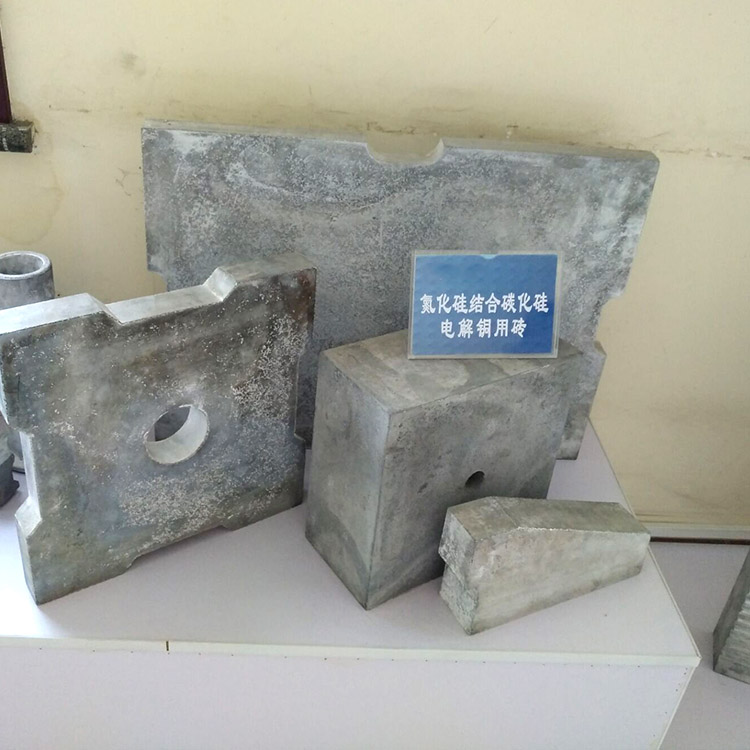
In non - ferrous mines, silicon nitride bonded silicon carbide bricks can effectively resist chemical erosion. For example, in copper smelting plants, they can resist the erosion of copper slag and other chemical substances, extending the service life of the furnace lining and reducing the frequency of maintenance.
In metallurgical blast furnaces, these bricks can significantly improve the heat transfer efficiency. By using silicon nitride bonded silicon carbide bricks, the heat transfer rate can be increased by about 30%, which helps to reduce energy consumption and improve production efficiency.
In the ceramic industry, they can provide a stable firing environment. Their excellent thermal shock resistance and thermal conductivity ensure a uniform temperature distribution in the kiln, which is beneficial to the quality improvement of ceramic products.
Silicon nitride bonded silicon carbide bricks have been widely recognized in the market. More than ten large foreign customers, including some well - known metallurgical enterprises in the United States and Germany, have adopted this product. In addition, 80% of the product's output is exported to Europe and America. Domestically, many leading enterprises in the metallurgical and ceramic industries have also chosen this product, which fully demonstrates its strong market competitiveness.
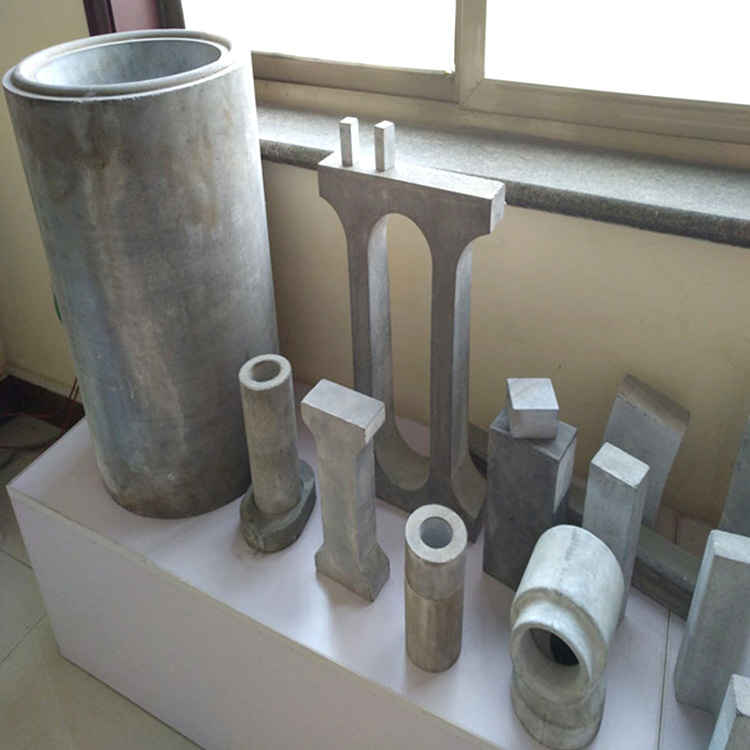
If you are also seeking a reliable solution for refractory material upgrade in your metallurgical blast furnace or related industries, don't miss this opportunity. Our silicon nitride bonded silicon carbide bricks have already served over 10 global leading enterprises and can help customers reduce energy consumption by an average of 15% or more. Click here to get more technical information or book a factory visit.

 185
|
185
|
 directly combined magnesite-chromite bricks
refractory material performance
industrial furnace efficiency
directly combined magnesite-chromite bricks
refractory material performance
industrial furnace efficiency
 51
|
ordinary magnesium-chromium bricks
high-strength refractory materials
thermal shock stability
steel smelting furnace lining
corrosion and erosion resistance
51
|
ordinary magnesium-chromium bricks
high-strength refractory materials
thermal shock stability
steel smelting furnace lining
corrosion and erosion resistance
 215
|
direct bonded magnesia chrome brick
magnesium chrome brick comparison
refractory material performance
high temperature strength improvement
industrial kiln application
215
|
direct bonded magnesia chrome brick
magnesium chrome brick comparison
refractory material performance
high temperature strength improvement
industrial kiln application
 149
|
silicon nitride bonded silicon carbide brick
refractory material case study
high temperature kiln lining
thermal shock resistant brick
anti-erosion refractory
149
|
silicon nitride bonded silicon carbide brick
refractory material case study
high temperature kiln lining
thermal shock resistant brick
anti-erosion refractory
 282
|
high thermal conductivity silica bricks
silica brick thermal performance
steelmaking energy savings
refractory material technology
industrial energy-efficient materials
282
|
high thermal conductivity silica bricks
silica brick thermal performance
steelmaking energy savings
refractory material technology
industrial energy-efficient materials



.jpg?x-oss-process=image/resize,m_fill,h_200,w_200/format,webp)
.jpg?x-oss-process=image/resize,m_fill,h_200,w_200/format,webp)