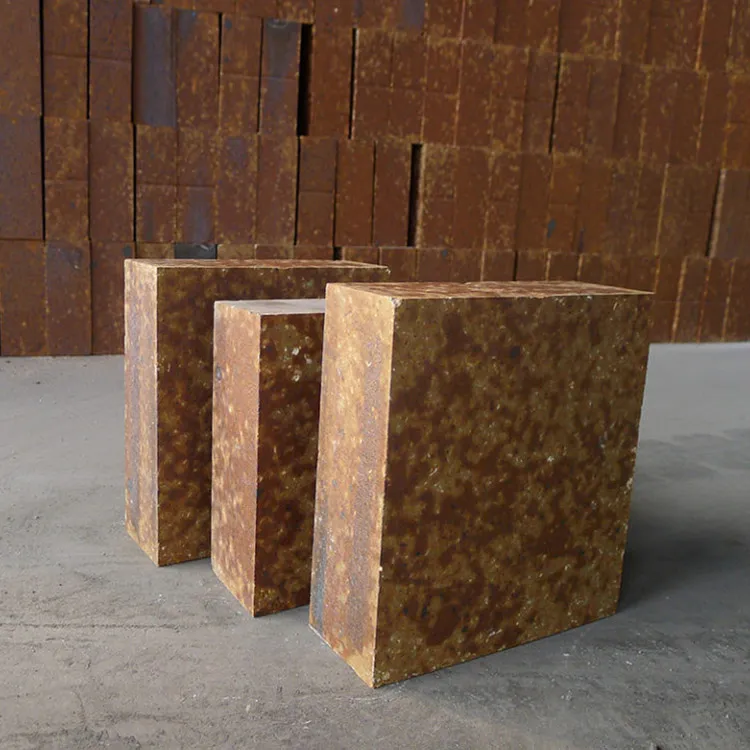
In the realm of refractory materials, the silicon nitride bonded silicon carbide brick stands out as a high - performance solution. Its significance in industries such as non - ferrous mines, metallurgical blast furnaces, and the ceramic industry cannot be overstated. In this article, we will delve into the outstanding properties of this brick, with a particular emphasis on its thermal shock resistance and corrosion resistance through measured comparisons.
Refractory materials play a crucial role in various high - temperature industrial processes. They are essential for maintaining the stability and efficiency of operations in environments where extreme heat and chemical reactions are common. The silicon nitride bonded silicon carbide brick is a product that has been developed to meet the stringent requirements of these industries.
Independent laboratory assessments have shown that the silicon nitride bonded silicon carbide brick has excellent strength. With a compressive strength of up to 80 MPa, it can withstand high - pressure environments in blast furnaces and other industrial settings. In terms of thermal conductivity, it reaches approximately 15 W/(m·K), which ensures efficient heat transfer and helps in maintaining a stable temperature distribution within the industrial equipment.
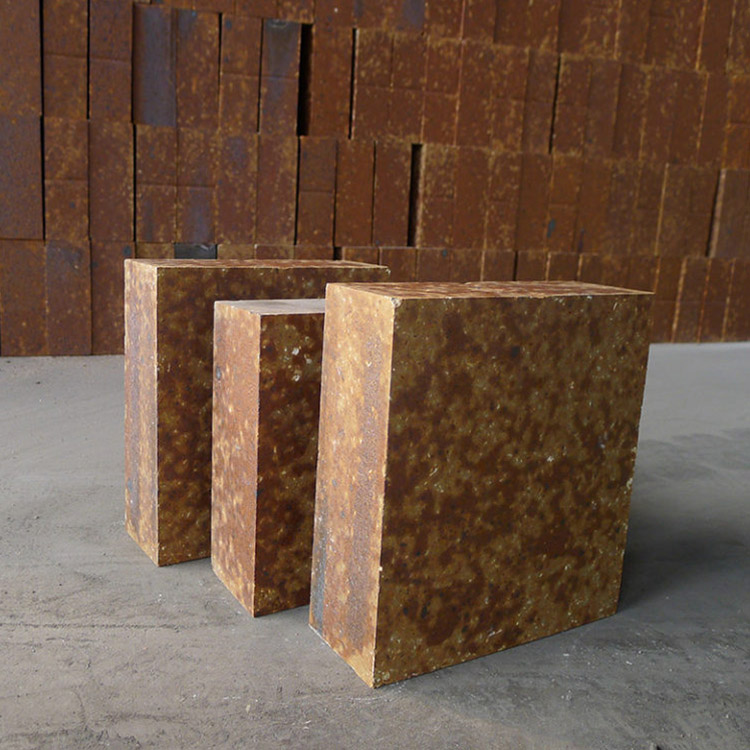
Thermal shock resistance is a vital property for refractory materials. The silicon nitride bonded silicon carbide brick has been tested to endure rapid temperature changes. In a series of tests, it was found that it could withstand more than 100 cycles of rapid heating from room temperature to 1000°C and then rapid cooling without significant cracking or damage. This performance is far superior to many traditional refractory materials.
When it comes to corrosion resistance, the brick shows remarkable results. In contact with acidic and alkaline slags, its corrosion rate is less than 5% after 100 hours of continuous exposure. This makes it an ideal choice for industries where corrosive substances are present, such as the non - ferrous metal smelting industry.
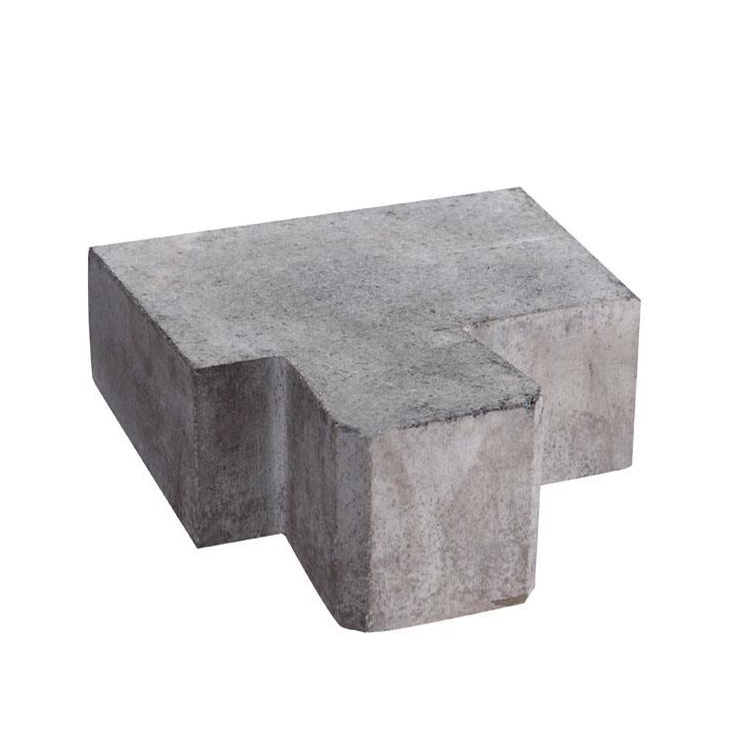
The silicon nitride bonded silicon carbide brick has gained wide recognition in both domestic and international markets. In the ceramic industry, it has been used in kilns for firing high - end ceramics. Its excellent thermal shock resistance ensures that the kiln can be rapidly heated and cooled during the firing process, improving production efficiency. In the metallurgical industry, it is used in blast furnaces, where its high strength and corrosion resistance contribute to the long - term stable operation of the furnace.
By comparing the silicon nitride bonded silicon carbide brick with other common refractory materials, its competitive advantages become more obvious. For example, compared with ordinary clay bricks, it has much higher thermal shock resistance and corrosion resistance. The following table summarizes the key differences:
| Properties | Silicon Nitride Bonded Silicon Carbide Brick | Ordinary Clay Brick |
|---|---|---|
| Compressive Strength (MPa) | 80 | 20 |
| Thermal Conductivity (W/(m·K)) | 15 | 1 |
| Thermal Shock Cycles | >100 | 10 - 20 |
| Corrosion Rate after 100 hours (%) | <5 | 20 - 30 |
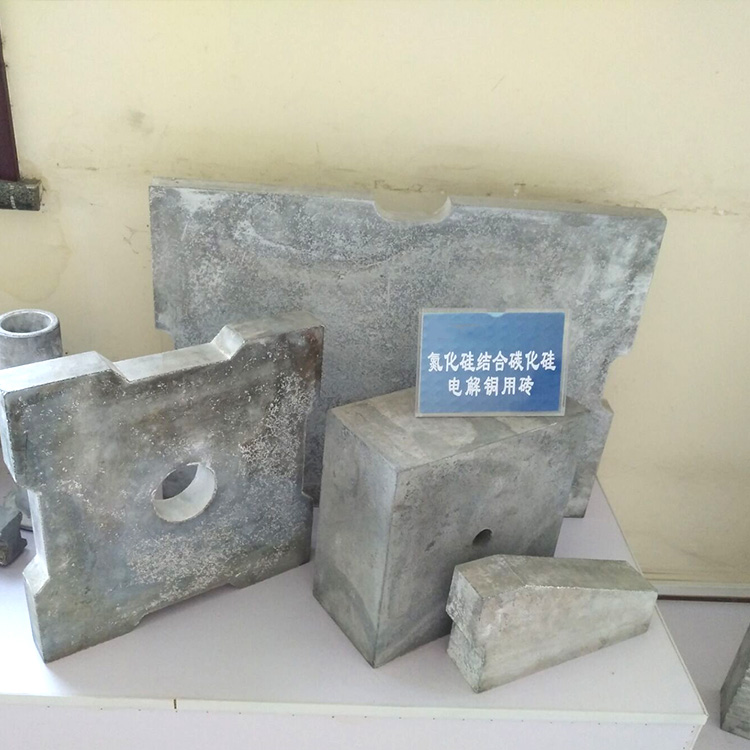
In conclusion, the silicon nitride bonded silicon carbide brick offers significant advantages in terms of strength, thermal conductivity, thermal shock resistance, and corrosion resistance. Its wide application in various industries and high market recognition are testaments to its excellent performance. If you are looking for a high - quality refractory material to ensure the stable production of your industrial processes, click here to learn more about the silicon nitride bonded silicon carbide brick.