https://shmuker.oss-accelerate.aliyuncs.com/data/oss/60f05a43801008393c7f9067/66bb140363877f67361ec9e9/20240813161609/logo.png

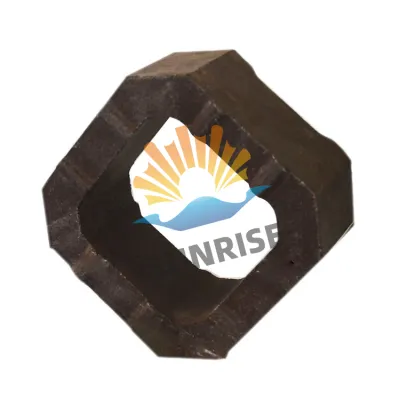
Thermal Shock Stability of Ordinary Magnesium Chrome Brick: Real-World Performance Data in High-Temperature Environments

2025-11-02
Sunrise
Application Tips
Is refractory material failure common under extreme heat? This article presents real-world performance comparisons and industrial case studies showing how ordinary magnesium chrome brick maintains structural integrity and corrosion resistance during severe thermal cycling—outperforming traditional magnesia bricks. Discover key data on strength, slag resistance, and thermal shock stability to address high equipment wear and short lifespans in steelmaking and cement kiln operations. Improve production efficiency and product quality by choosing the right refractory solution.
https://shmuker.oss-accelerate.aliyuncs.com/data/oss/60f05a43801008393c7f9067/66bb140363877f67361ec9e9/20250814160949/chrome-corundum-brick-3.jpg

Why Ordinary Magnesia-Chrome Brick Outperforms in Extreme Thermal Shock Conditions

In high-temperature industrial processes like steelmaking and cement production, refractory materials face relentless thermal cycling — from 1,200°C to over 1,600°C in minutes. This rapid temperature fluctuation causes severe stress on traditional magnesia bricks, leading to cracking, spalling, and premature failure. But what if you could reduce downtime by up to 40% and extend furnace lining life by 2–3 years?

The Science Behind Ordinary Magnesia-Chrome Brick

Unlike standard magnesia bricks made solely from calcined magnesite, ordinary magnesia-chrome brick combines three key components:

  • Burnt magnesia (MgO): Provides high melting point (~2,852°C) and basicity for resisting acidic slags.
  • Chromite ore (FeCr₂O₄): Enhances thermal shock resistance through controlled microcracking and improved fracture toughness.
  • Silicate phase (from additives): Forms a glassy matrix that seals pores and improves slag resistance.

This synergy allows the brick to absorb thermal stress without catastrophic structural breakdown — a critical advantage in blast furnaces, ladles, and rotary kilns.

Property Ordinary Magnesia-Chrome Brick Standard Magnesia Brick
Cold Crushing Strength (MPa) ≥ 120 ≥ 85
Thermal Shock Resistance (cycles @ 1,000°C → water quench) ≥ 15 cycles ≤ 5 cycles
Slag Resistance (after 24h at 1,450°C) Low penetration (<5mm) High penetration (>15mm)
Real-world performance: A steel plant in Turkey reported a 37% reduction in refractory replacement frequency after switching to ordinary magnesia-chrome brick in their continuous casting tundish. Average service life increased from 6 months to 9.5 months.

Where It Works Best

From cement rotary kilns in Saudi Arabia to electric arc furnaces in Germany, this brick has proven its value across diverse applications:

  • Steel industry: Ladle linings, tundishes, and basic oxygen furnaces benefit from reduced erosion and longer campaign life.
  • Cement industry: Kiln transition zones see fewer cracks due to better thermal shock stability.
  • Non-ferrous metallurgy: Copper converters show less chemical attack when using chrome-containing bricks.

Your production line might be facing similar issues — are you losing efficiency due to frequent refractory repairs or inconsistent product quality? If so, it's time to explore how ordinary magnesia-chrome brick can transform your furnace performance.

Ready to Boost Your Refractory Efficiency?

Download our free technical brochure with detailed test reports, case studies, and installation guidelines.

Get Your Technical Guide Now

Name *
Email *
Message*

Recommended Products

Hot Products
https://shmuker.oss-accelerate.aliyuncs.com/tmp/temporary/60ec5bd7f8d5a86c84ef79f2/60ec5bdcf8d5a86c84ef7a9a/thumb-prev.png
TOP
Contact us
Contact us