
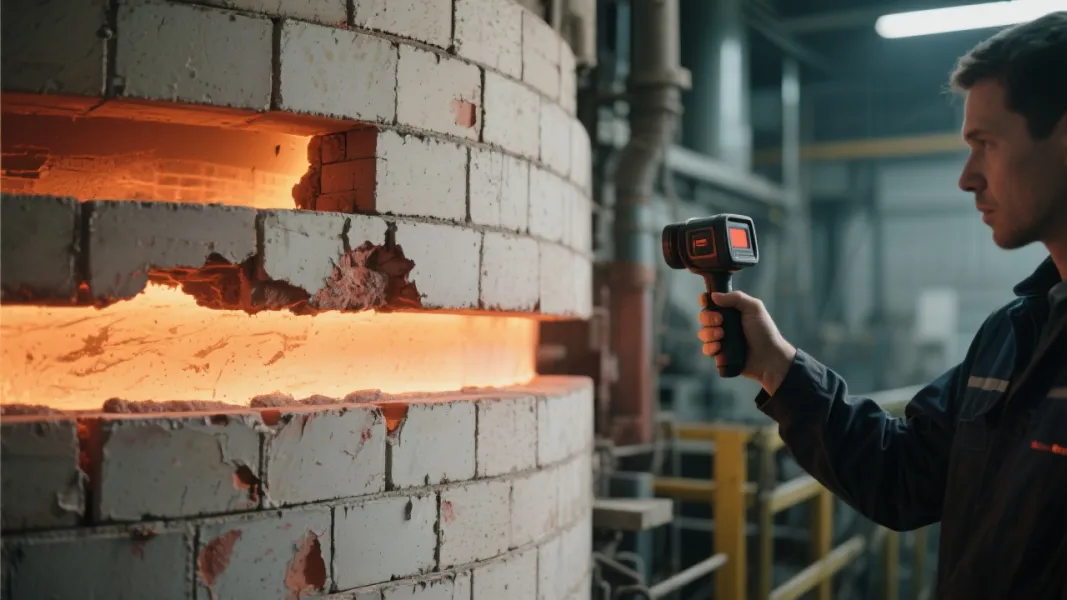
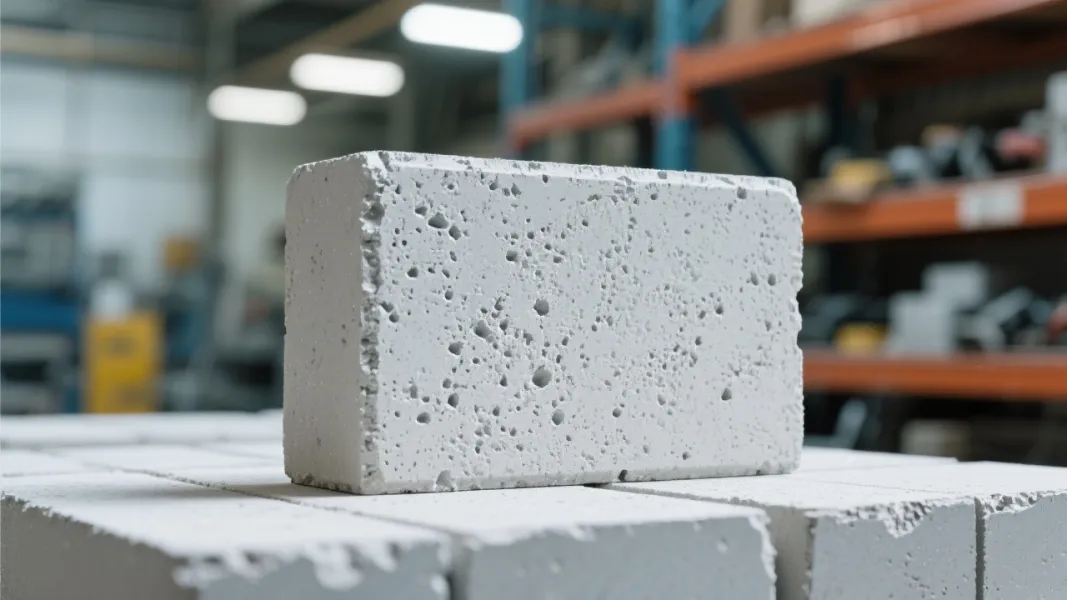
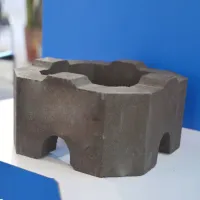
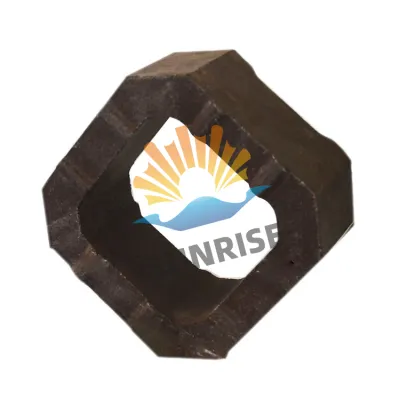
In high-temperature industrial applications—such as steelmaking furnaces, cement kilns, and glass melting tanks—the performance of refractory materials directly impacts operational efficiency, safety, and cost control. Among these materials, ordinary magnesia-chrome brick has emerged as a reliable choice for its proven resistance to thermal shock, chemical erosion, and mechanical stress.
Testing isn't just about exposing bricks to heat—it's about simulating real-world conditions with precision. In our lab, we conduct standardized tests following ASTM C142 and ISO 1889 standards:
These results aren’t just numbers—they reflect how your furnace lining will perform over months or even years under heavy-duty operation.
| Property | Ordinary Magnesia-Chrome Brick | Standard Magnesia Brick |
|---|---|---|
| Max Temp (°C) | 1750 | 1550 |
| Thermal Shock Cycles | ≥35 | ≤20 |
| Slag Penetration Rate | 0.3 mm/hr | 1.1 mm/hr |
“After switching to magnesia-chrome bricks in our electric arc furnace, we saw a 40% reduction in refractory replacement frequency—and no more unexpected downtime.”
— Ahmed El-Sayed, Plant Manager, Egypt Steel Co.
What makes this material stand out isn’t just chemistry—it’s consistency. Whether you're running continuous casting operations or intermittent batch processes, the brick maintains structural integrity without significant degradation.
When every hour of furnace uptime equals profit, choosing the right refractory isn’t optional—it’s strategic. Our data shows that facilities using tested, high-performance bricks like this one experience:
If you’re evaluating materials for your next furnace upgrade—or troubleshooting frequent linings failures—you don’t need guesswork. You need evidence-based solutions. Let us help you make the smartest choice for your plant’s long-term success.
 412
|
412
|
 high thermal conductivity silicon brick
silicon brick pore distribution
thermal conductivity in refractory materials
porosity effect on heat transfer
industrial refractory optimization
high thermal conductivity silicon brick
silicon brick pore distribution
thermal conductivity in refractory materials
porosity effect on heat transfer
industrial refractory optimization
 344
|
direct-bonded magnesite-chrome bricks
cost reduction and efficiency enhancement refractory materials
high-temperature industrial magnesite-chrome bricks
344
|
direct-bonded magnesite-chrome bricks
cost reduction and efficiency enhancement refractory materials
high-temperature industrial magnesite-chrome bricks
 41
|
High thermal conductivity silica bricks
Silica brick performance comparison
Thermal conductivity of industrial materials
Enterprise energy efficiency
Reduction of production costs
41
|
High thermal conductivity silica bricks
Silica brick performance comparison
Thermal conductivity of industrial materials
Enterprise energy efficiency
Reduction of production costs
 496
|
silicon nitride bonded silicon carbide brick
thermal conductivity in refractories
refractory lining lifespan
high temperature kiln durability
carbonized silicon carbide application
496
|
silicon nitride bonded silicon carbide brick
thermal conductivity in refractories
refractory lining lifespan
high temperature kiln durability
carbonized silicon carbide application
.jpg?x-oss-process=image/resize,h_600,m_lfit/format,webp) 276
|
silicon nitride-bonded silicon carbide bricks
application in non-ferrous metal mining
refractory materials
international recognition
product performance advantages
276
|
silicon nitride-bonded silicon carbide bricks
application in non-ferrous metal mining
refractory materials
international recognition
product performance advantages








.jpg?x-oss-process=image/resize,m_fill,h_200,w_200/format,webp)