In high-temperature industrial environments—such as steelmaking furnaces, cement kilns, and glass melting tanks—refractory materials face relentless challenges: thermal shock, chemical erosion, mechanical stress, and prolonged exposure to aggressive slags. Traditional magnesia bricks often fail under these conditions, leading to unplanned downtime, increased maintenance costs, and inconsistent product quality.
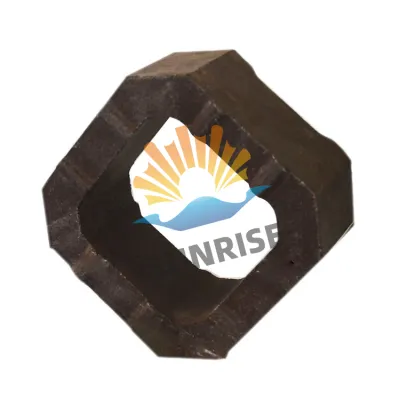
Ordinary magnesium chrome brick (MgO-Cr₂O₃) is engineered using sintered magnesia and high-purity chromite ore, processed via a silicate bonding system. This composition delivers:
Compared to standard magnesia bricks—which typically show >5% weight gain in the same test—ordinary MgCr bricks demonstrate significantly better anti-corrosion performance. In real-world applications across blast furnace linings and rotary kilns, this translates into up to 40% longer service life.
| Industry Segment | Before MgCr Brick | After MgCr Brick |
|---|---|---|
| Steelmaking Ladle | Avg. lifespan: 60 heats | Avg. lifespan: 95 heats (+58%) |
| Cement Rotary Kiln | Annual replacement: 3 times | Annual replacement: 1.5 times (-50%) |
These improvements are not just theoretical—they’re measurable outcomes that directly impact operational efficiency and bottom-line performance.
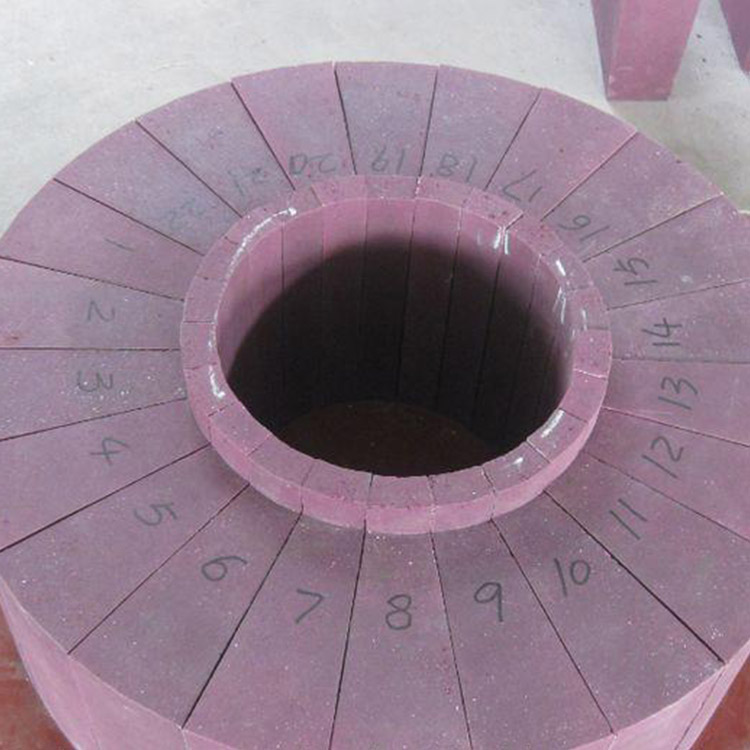
Choosing ordinary magnesium chrome brick isn’t just about material selection—it’s a strategic decision that reduces downtime, minimizes waste, and enhances product consistency. For export-oriented manufacturers, it means competitive advantage through reliable equipment performance and lower lifecycle cost.
Marketing message: “Select ordinary MgCr brick = reduce unplanned shutdowns + improve product yield stability.”
If your facility operates in extreme thermal or corrosive environments, ask yourself: Are you still relying on older refractory solutions? Let us help you transition to a more durable, efficient alternative.
Get Your Customized Refractory Solution Today