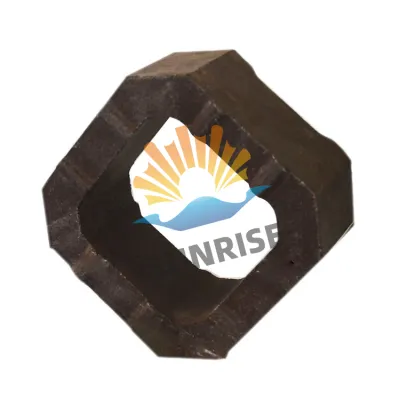
High-temperature industrial processes place immense stress on refractory materials, demanding not only high melting points but also superior thermal shock resistance. Selecting the right refractory brick is essential for sustaining operational efficiency and extending equipment lifespan.
Thermal shock resistance — the ability to withstand rapid temperature changes without cracking or losing structural integrity — is a critical performance parameter for refractory bricks used in furnaces, kilns, and reactors operating above 1500°C. Failure to resist thermal shock can lead to frequent maintenance downtime and increased operational costs.
Ordinary magnesite-chrome bricks are primarily composed of sintered magnesia (MgO), refractory-grade chromite (FeCr2O4), and silicate binders. The synergy of these raw materials results in a strong, corrosion-resistant microstructure.
In contrast, traditional magnesite bricks mainly utilize sintered magnesia with minimal additives, limiting their resistance to chemical corrosion and thermal shock. The inclusion of chromite enhances the chemical stability and mechanical strength of magnesite-chrome bricks.
| Property | Ordinary Magnesite-Chrome Brick | Traditional Magnesite Brick |
|---|---|---|
| Thermal Shock Resistance (Cycles) | > 25 cycles at 1600°C | 15-18 cycles at 1600°C |
| Cold Crushing Strength (MPa) | 70-85 | 50-65 |
| Resistance to Slag Corrosion | High | Moderate |
In a steel-making facility operating continuous casting molds, replacing traditional magnesite bricks with ordinary magnesite-chrome bricks led to a 30% reduction in maintenance shutdowns caused by refractory failure over an 18-month period. This improvement directly translated to increased productivity and lower repair costs.
Similarly, a glass furnace application reported enhanced product quality stability due to the superior chemical and thermal resistance of magnesite-chrome bricks, minimizing contamination and prolonging furnace lining lifespan.
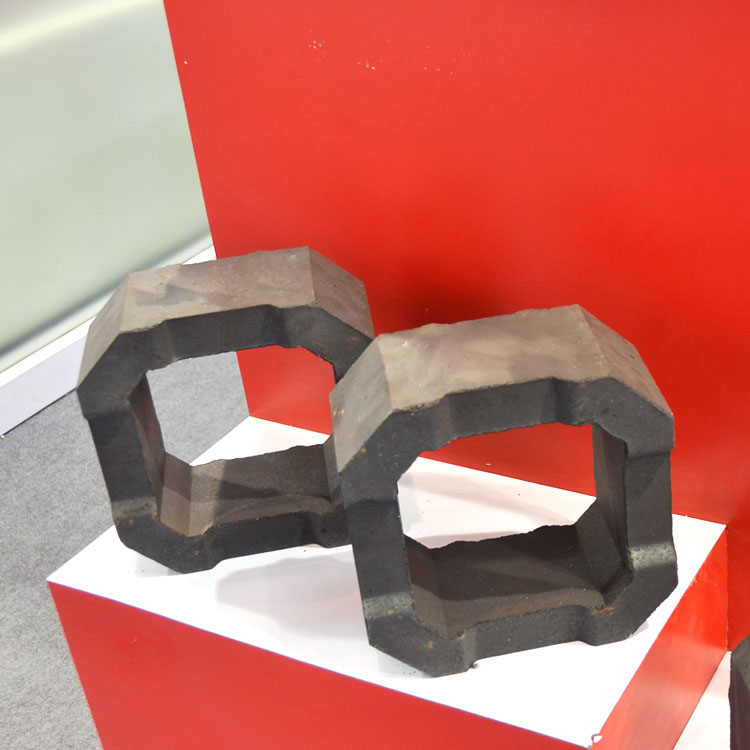
Investing in ordinary magnesite-chrome bricks is an investment in process stability and operational excellence. Its advantages span higher mechanical strength, enhanced chemical durability, and critically, exceptional thermal shock resistance — attributes that help industries navigate the challenges of rapid temperature cycling.
For engineers and procurement specialists assessing refractory options, objective data such as thermal shock cycles and crushing strength serve as powerful decision-making benchmarks, simplifying what could otherwise be a complex choice.
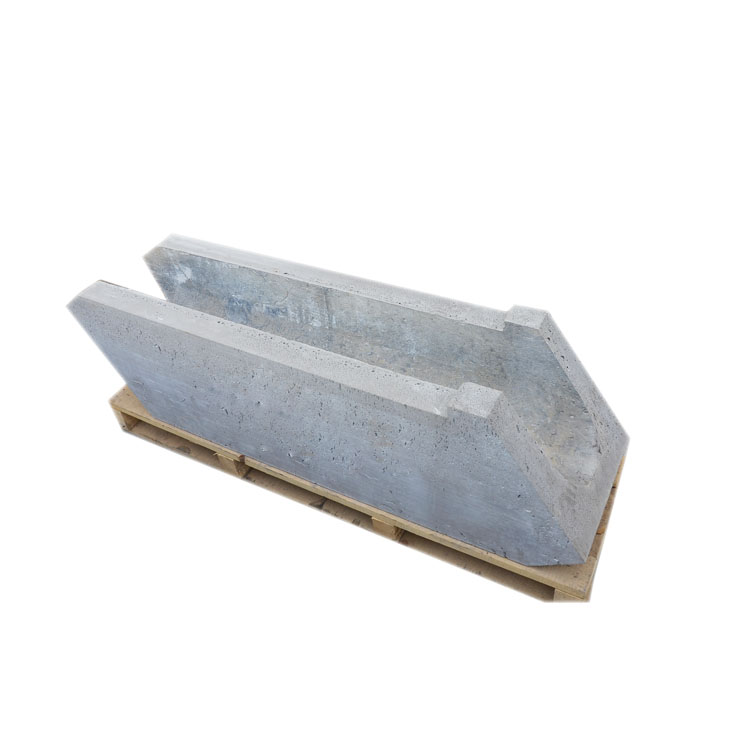
Reflecting on these will clarify the tangible benefits ordinary magnesite-chrome bricks could bring to your process.
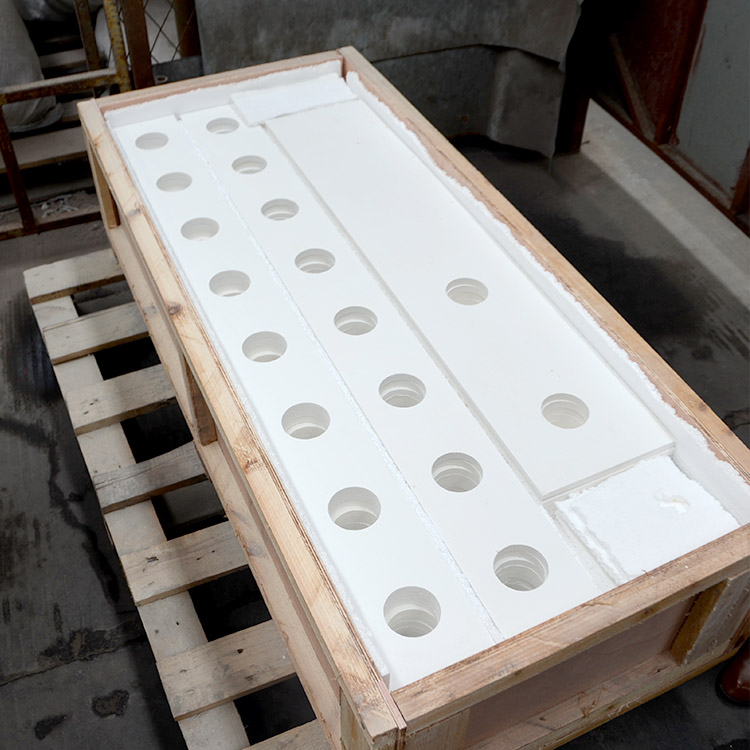
Ready to elevate your high-temperature process stability and reduce downtime? Connect with our experts for tailored advice, sample testing, and comprehensive evaluation to find out how ordinary magnesite-chrome bricks can transform your refractory solution.
Explore Ordinary Magnesite-Chrome Bricks Now