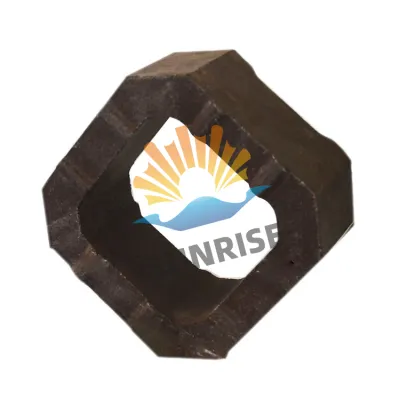
In the realm of high-temperature industrial processes—ranging from steel manufacturing to cement production—the demand for reliable refractory materials is paramount. Basic mag-chrome bricks, composed primarily of sintered magnesia and refractory-grade chromite combined through advanced silicate bonding technology, have emerged as a leading solution. Their superior strength, corrosion resistance, erosion resistance, and thermal shock stability set them apart from traditional magnesia bricks, positioning them as indispensable components for ensuring operational longevity and efficiency.
Traditional refractory materials often struggle with mechanical degradation, chemical corrosion, and thermal fatigue under extreme conditions exceeding 1600°C. Such limitations result in frequent maintenance, unexpected shutdowns, and compromised product quality — factors that directly impact profitability and production continuity.
Basic mag-chrome bricks address these challenges through a judicious mix of raw materials and optimized manufacturing processes, which enhance their intrinsic durability. These enhancements cater to industries requiring extended refractory lifespan, reduced operational downtime, and improved thermal efficiency.
The key components of basic mag-chrome bricks are high-purity sintered magnesia (MgO) and refractory chromite ore (Cr₂O₃), unified via a silicate binder that ensures strong chemical bonding and reduced porosity.
This combination provides a microstructure characterized by interlocking crystals and minimal weak points. The controlled sintering at temperatures between 1600°C and 1800°C yields a compact and dense refractory with exceptional resistance to slag infiltration and chemical attack.
| Property | Basic Mag-Chrome Brick | Traditional Magnesia Brick | Improvement (%) |
|---|---|---|---|
| Cold Crushing Strength (MPa) | ≥ 50 | 35 - 40 | 25% - 43% |
| Resistance to Corrosion (Weight Loss mg/cm²/day) | ≤ 0.012 | ~0.025 | 52% Lower |
| Thermal Shock Resistance (Cycles) | ≥ 15 | 8 - 10 | 50% - 87% Increase |
| Erosion Resistance (mm/year) | ≤ 0.5 | ~1.2 | > 58% Better |
Case studies in steel rolling mills highlight how the adoption of basic mag-chrome bricks extends refractory service life by up to 30%, significantly reducing unscheduled downtimes. In cement kilns operating at temperatures exceeding 1500°C, customers report enhanced thermal stability that leads to consistent clinker quality and lower energy consumption.
Furthermore, the bricks’ improved resistance to corrosive slags translates into lower replacement frequency, thus minimizing labor costs and maintenance risks.
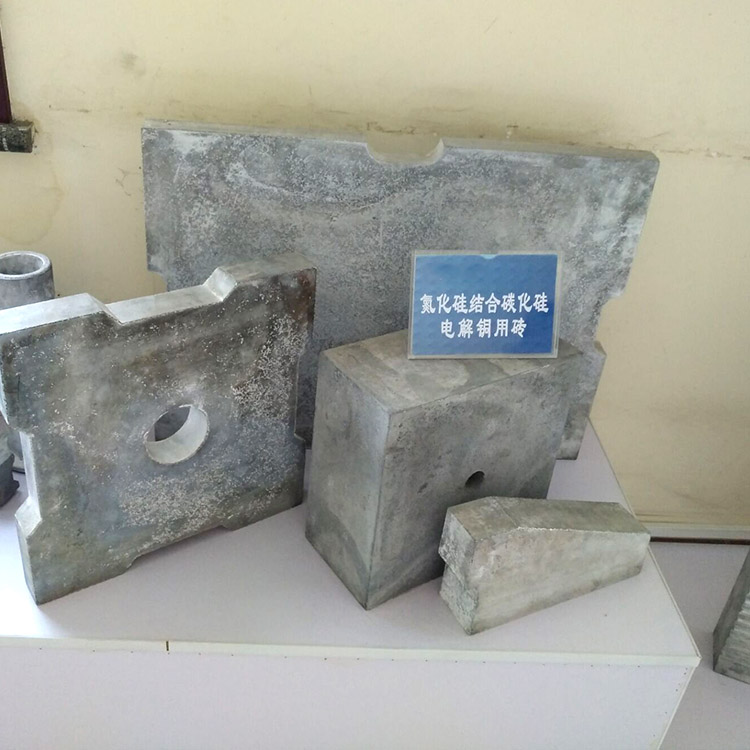
Given these advantages, companies engaged in continuous production processes benefit from not only cost savings but also enhanced sustainability due to reduced material waste and energy use.
Are you facing challenges related to refractory erosion or thermal fatigue? Share your experiences or questions below—we aim to deliver tailored insights and solutions.
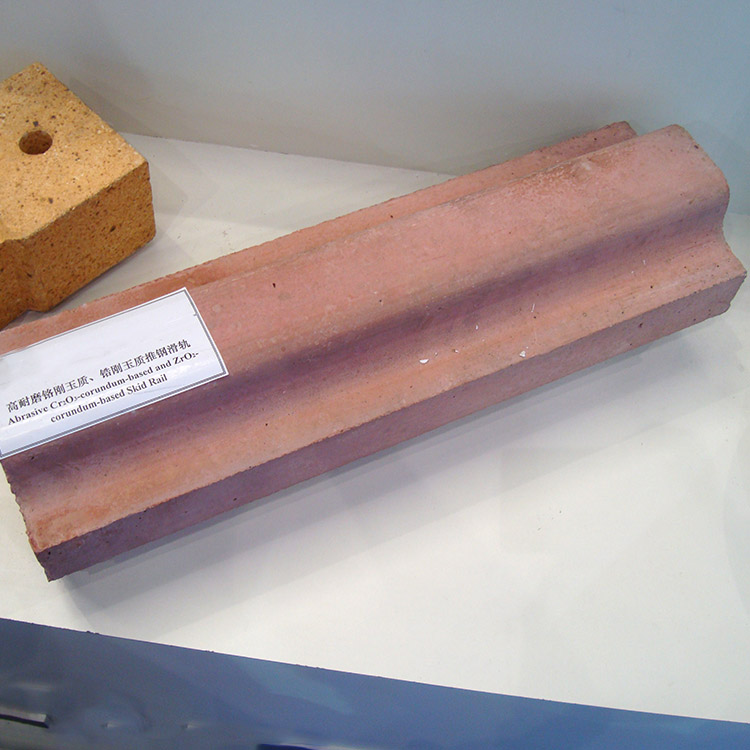
Understanding the precise chemical and physical interplay in refractory bricks empowers process engineers to make informed choices aligning with operational demands.
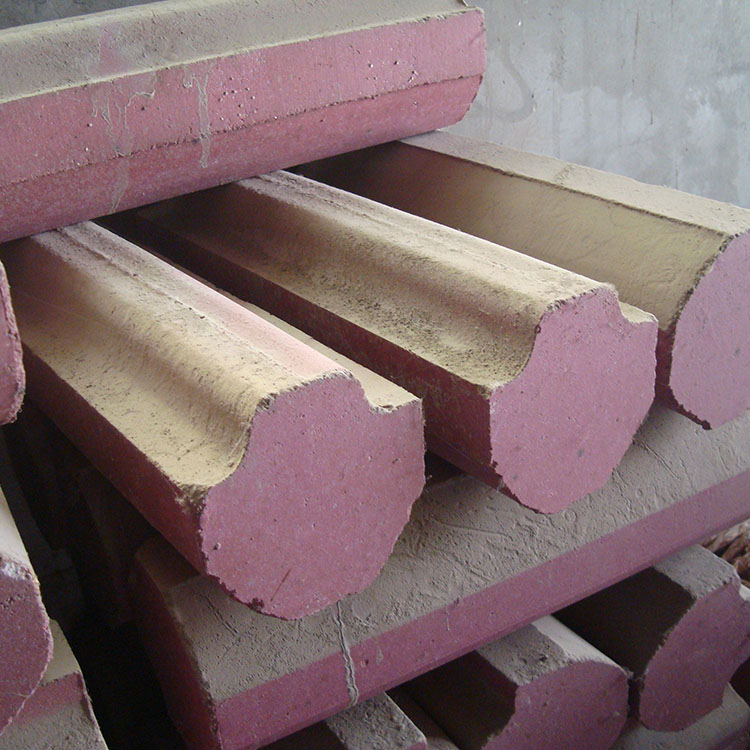
For enterprises seeking to upgrade their furnace linings or implement robust refractory solutions, basic mag-chrome bricks offer a balanced combination of performance, longevity, and cost-effectiveness.