https://shmuker.oss-accelerate.aliyuncs.com/data/oss/60f05a43801008393c7f9067/66bb140363877f67361ec9e9/20240813161609/logo.png

Enhancing Kiln Lifespan: Practical Application of Common Magnesia-Chrome Bricks in Cement Rotary Kilns

2025-11-13
Sunrise
Customer Cases
This article explores the outstanding performance of common magnesia-chrome bricks in high-temperature industrial environments, focusing on their practical use in cement rotary kilns. It highlights the bricks' high strength, corrosion resistance, and excellent thermal shock stability, demonstrating how these features effectively extend kiln lifespan. By addressing the challenges faced by high-temperature equipment and analyzing raw materials and processing technologies alongside performance comparisons, this article provides comprehensive insights for customers in the awareness stage. It aims to showcase the value and advantages of common magnesia-chrome bricks, supporting improved production efficiency and product quality to ensure stable operation in high-temperature industries.
https://shmuker.oss-accelerate.aliyuncs.com/data/oss/60f05a43801008393c7f9067/66bb140363877f67361ec9e9/20240823100205/003.jpg

Enhancing Rotary Kiln Longevity with Ordinary Magnesia-Chrome Bricks: A Practical Industrial Case Study

High-temperature industrial furnaces face relentless operational challenges including extreme thermal cycles, chemical corrosion, and mechanical abrasion. These conditions demand refractory materials that not only withstand harsh environments but also improve equipment service life and productivity. Ordinary magnesia-chrome bricks have emerged as a vital solution in this regard, particularly within cement rotary kilns—a core component in cement production plants worldwide.

Understanding Ordinary Magnesia-Chrome Bricks: Composition & Manufacturing

Ordinary magnesia-chrome bricks are crafted primarily from high-grade magnesia (MgO) and chromite ore (Cr2O3). The precise blending and firing process, typically involving sintering at temperatures above 1600°C, ensure excellent density and microstructure integrity. This manufacturing yields refractories with:

  • High compressive strength exceeding 100 MPa
  • Superior corrosion resistance against molten slags and alkalis
  • Exceptional thermal shock resistance with minimal cracking after 1000+ rapid heat-cool cycles
  • Low slag adhesion, reducing maintenance intervals

These attributes make ordinary magnesia-chrome bricks highly suitable for the lining of water-cooled zones and burning zones inside cement rotary kilns, where abrasive and chemical wear dominate.

Performance Comparison: Magnesia-Chrome Bricks vs. Traditional Outlook

Property Ordinary Magnesia-Chrome Brick Standard Magnesia Brick
Compressive Strength (MPa) >100 ~85
Thermal Shock Resistance (cycles) >1000 700-800
Corrosion Depth after 1000h (mm) <1.5 ~3.0
Service Life in Rotary Kiln (months) 18-24 12-15

The data clearly indicates that ordinary magnesia-chrome bricks deliver upwards of 20% improvement in service life and substantial gains in thermal shock and corrosion resistance compared to standard magnesia bricks.

Case Study: Application in Cement Rotary Kiln Operation

A leading cement manufacturer facing frequent rotary kiln shutdowns due to refractory wear transitioned to ordinary magnesia-chrome bricks for the kiln’s burning zone lining. Over a 12-month monitoring period, notable improvements included:

  • 30% Extension in lining service life, reducing unscheduled maintenance closures
  • 15% Increase in kiln thermal efficiency, attributed to stable refractory integrity minimizing heat loss
  • Significant Reduction in corrosion-related damages, confirmed by post-inspection laser profilometry

Operators also reported enhanced kiln operational stability, with fewer abrupt temperature fluctuations and improved clinker quality consistency. This translated directly into cost savings both in maintenance expenditure and production throughput.
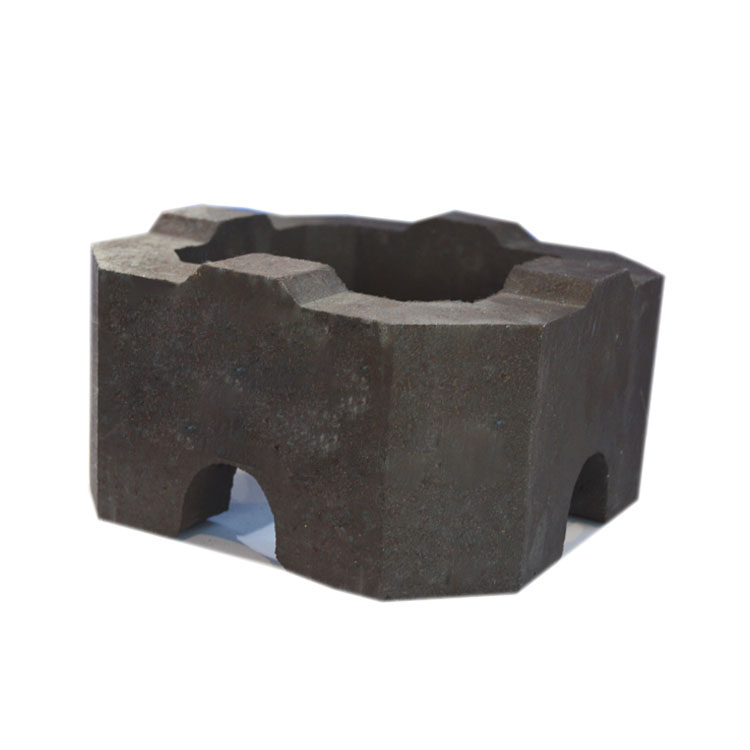
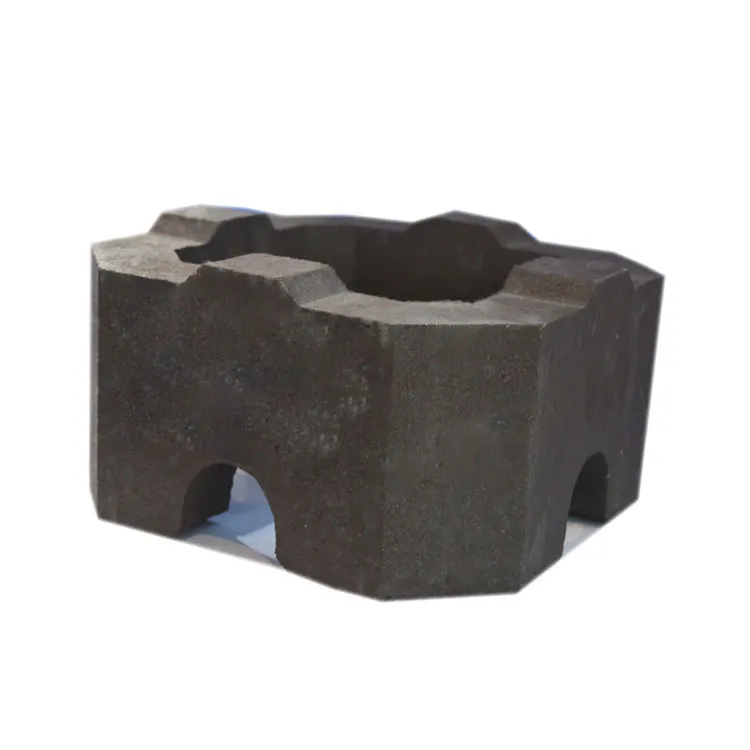
Close-up of ordinary magnesia-chrome bricks lining a cement rotary kiln burning zone

Technical Insights & Practical Recommendations

To maximize the benefits of ordinary magnesia-chrome bricks, experts recommend:

  1. Proper Installation: Ensure precise brick fitting and correct mortar usage to prevent gaps that accelerate thermal stress.
  2. Regular Monitoring: Use thermal cameras and ultrasonic testing bi-annually to detect early signs of degradation.
  3. Optimal Kiln Operation: Maintain stable temperature ramp-ups and avoid rapid cool-downs to leverage the bricks’ thermal shock resilience fully.
  4. Periodic Cleaning: Remove slag accumulations to preserve lining integrity and performance.
Graph showing thermal shock resistance comparison between ordinary magnesia-chrome bricks and standard magnesia bricks under cyclic testing

Incorporating these best practices ensures the refractory lining delivers maximum durability and operational stability, safeguarding continuous kiln function.

Why Ordinary Magnesia-Chrome Bricks Are a Strategic Choice for High-Temperature Industrial Furnaces

Their superior combination of mechanical strength, corrosion resistance, and thermal shock stability make ordinary magnesia-chrome bricks indispensable in environments requiring consistent long-term performance. For companies aiming to enhance cement production efficiency, minimize downtime, and reduce maintenance costs, upgrading to these refractory solutions presents a compelling value proposition.
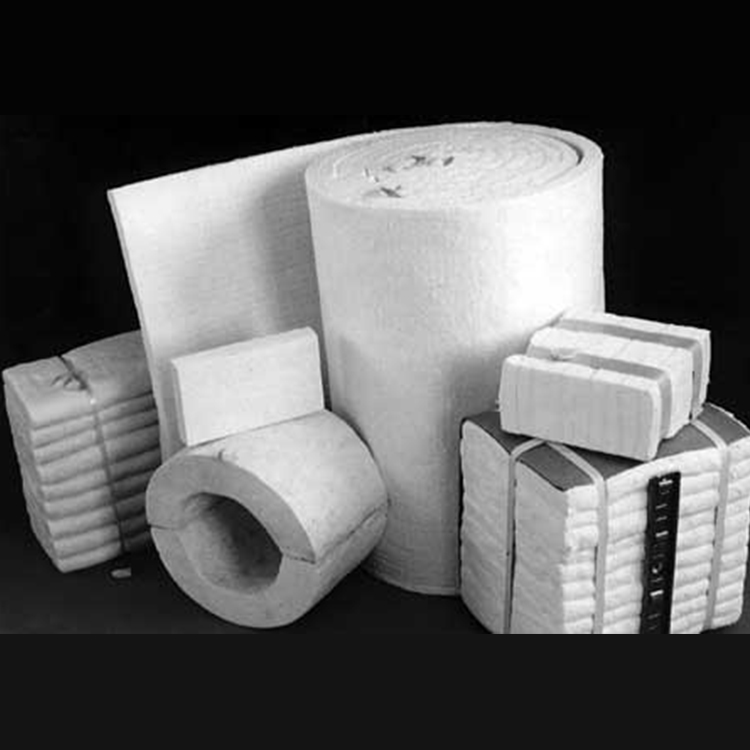
Water-cooled section of a cement rotary kiln exhibiting ordinary magnesia-chrome brick lining with minimal wear after extended service
Name *
Email *
Message*

Recommended Products

Hot Products
https://shmuker.oss-accelerate.aliyuncs.com/tmp/temporary/60ec5bd7f8d5a86c84ef79f2/60ec5bdcf8d5a86c84ef7a9a/thumb-prev.png
TOP
Contact us
Contact us