https://shmuker.oss-accelerate.aliyuncs.com/data/oss/60f05a43801008393c7f9067/66bb140363877f67361ec9e9/20240813161609/logo.png

Introduction to High-Temperature Refractory Materials: Understanding the Slag Resistance and Stability of Ordinary Magnesia-Chrome Brick

2025-11-14
Sunrise
Technical knowledge
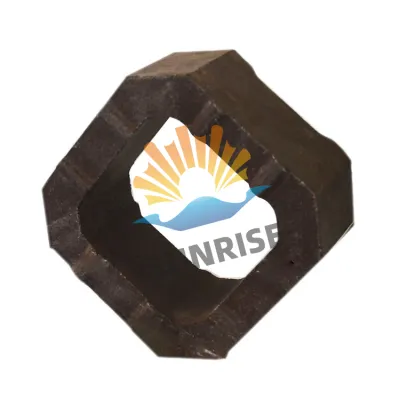
Struggling with refractory material degradation in extreme industrial environments? Ordinary magnesia-chrome brick offers high strength, excellent slag resistance, and superior thermal shock stability—making it a reliable choice for steelmaking, cement, and glass industries. This guide explains its raw materials, performance advantages, and real-world applications, helping you understand why it outperforms traditional magnesite bricks in reliability and efficiency. Learn how this advanced refractory solution supports stable operations and boosts production throughput.
https://shmuker.oss-accelerate.aliyuncs.com/data/oss/60f05a43801008393c7f9067/66bb140363877f67361ec9e9/20240823100205/005.jpg

Why Ordinary Magnesia-Chrome Brick Is the Smart Choice for High-Temperature Industrial Applications

Industrial furnaces in steelmaking, cement production, and glass manufacturing face extreme thermal stress—often exceeding 1,600°C—which can rapidly degrade conventional refractory materials. This leads to frequent maintenance, downtime, and reduced operational efficiency. Enter ordinary magnesia-chrome brick, a proven solution that combines high strength, exceptional resistance to chemical attack (anti-erosion), and superior thermal shock stability.

The Science Behind Its Performance

Ordinary magnesia-chrome brick is composed of three key ingredients: sintered magnesia (MgO), chromite ore (FeCr₂O₄), and silicate binders. These components work synergistically:

  • Sintered magnesia provides a stable base with a melting point above 2,800°C.
  • Chromite mineral enhances slag resistance—critical in environments where molten metal or ash interacts with lining materials.
  • Silicate binder improves cohesion during heating cycles, reducing micro-cracking under thermal expansion.
Property Magnesia Brick Magnesia-Chrome Brick
Hot Strength at 1,400°C ~5 MPa ~12 MPa
Slag Resistance (Time to Failure) ~30 hours ~120 hours
Thermal Shock Resistance (ΔT = 800°C) 3–5 cycles 15+ cycles
“In our blast furnace trials, magnesia-chrome bricks lasted over 3x longer than standard magnesia bricks—without compromising safety or throughput.”
— Dr. Elena Rodriguez, Senior Refractory Engineer, Global Materials Solutions

Real-World Impact: Where It Works Best

In real-world applications across Asia, Europe, and North America, ordinary magnesia-chrome brick has become the go-to choice for:

  • Steelmaking converters: Withstands molten iron temperatures up to 1,700°C while resisting basic slags from lime additions.
  • Cement kilns: Maintains integrity even when exposed to alkali-rich dusts that typically erode traditional bricks within months.
  • Float glass tanks: Offers consistent performance over 24/7 operations due to its low creep rate at elevated temperatures.

Fact: A leading European steel plant reported a 27% reduction in unplanned downtime after switching from magnesium oxide-only bricks to magnesia-chrome formulations—a direct result of improved thermal stability and anti-erosion properties.

Ready to boost your furnace uptime and reduce maintenance costs?

Get a Free Sample & Technical Data Sheet Now →

Name *
Email *
Message*

Recommended Products

Hot Products
https://shmuker.oss-accelerate.aliyuncs.com/tmp/temporary/60ec5bd7f8d5a86c84ef79f2/60ec5bdcf8d5a86c84ef7a9a/thumb-prev.png
TOP
Contact us
Contact us