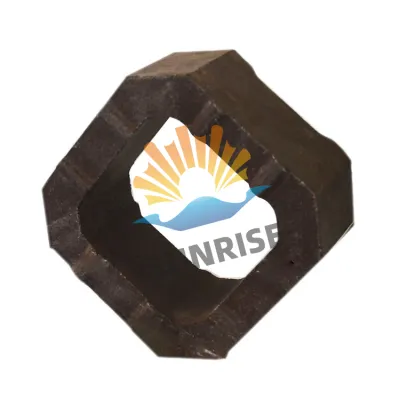
In high-temperature industrial environments like steelmaking and glass production, furnace lining durability is more than just a technical concern—it’s a direct cost driver. One overseas steel plant faced frequent refractory wear, leading to unplanned downtime and rising maintenance costs. After switching to a standard magnesia-chrome brick (MgO-Cr₂O₃), they achieved a remarkable 40% increase in furnace lining life—a result that speaks volumes about the material's performance under extreme conditions.
Traditional magnesite bricks often fail after 6–8 months in continuous operation due to thermal shock, chemical attack from molten slag, and mechanical stress. For a mid-sized steel mill producing 1 million tons/year, this translates to roughly $250,000 annually in lost productivity and replacement costs. That’s where advanced magnesium-chrome bricks step in—not as luxury items, but as essential efficiency tools.
| Property | Standard MgO-Cr₂O₃ Brick | Conventional Magnesium Brick |
|---|---|---|
| Hot Strength @ 1500°C (MPa) | ≥ 12 MPa | ≤ 6 MPa |
| Thermal Shock Resistance (cycles @ 1100°C→water) | ≥ 25 cycles | ≤ 10 cycles |
| Slag Penetration Resistance | Very Low (<0.5 mm/hr) | High (>2 mm/hr) |
This isn’t just theory—it’s what happened at a European steel facility using our standard MgO-Cr₂O₃ brick across three ladle furnaces. Before the switch, average lining life was 7.2 months. Post-switch? It jumped to 10.1 months—a 40% improvement—with no additional operational changes required.
What makes these bricks so effective? First, their dense microstructure minimizes porosity, reducing slag penetration. Second, chromium oxide forms a protective layer during service, resisting both acidic and basic slags common in steelmaking. Third, their high hot strength ensures structural integrity even when subjected to repeated heating and cooling cycles—critical for modern electric arc furnaces (EAFs).
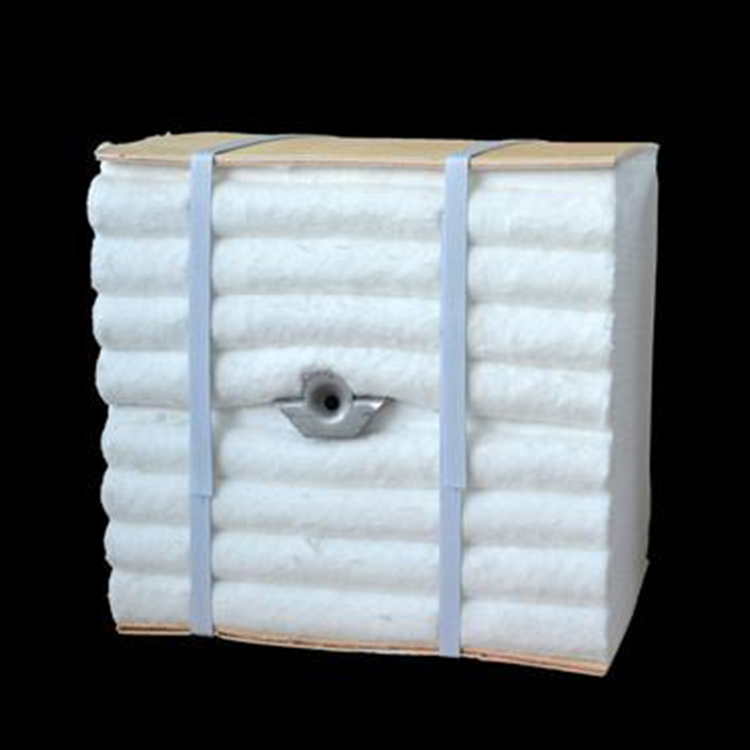
In glass manufacturing, similar benefits were observed. A Middle Eastern float glass plant reported a 35% reduction in kiln lining replacements over six months after adopting the same brick type—directly improving furnace uptime and product quality consistency.
Still wondering if it fits your operation? We’ve helped over 50 global plants—from Brazil to South Korea—optimize refractory performance without increasing procurement budgets. Let us show you how your specific process can benefit.