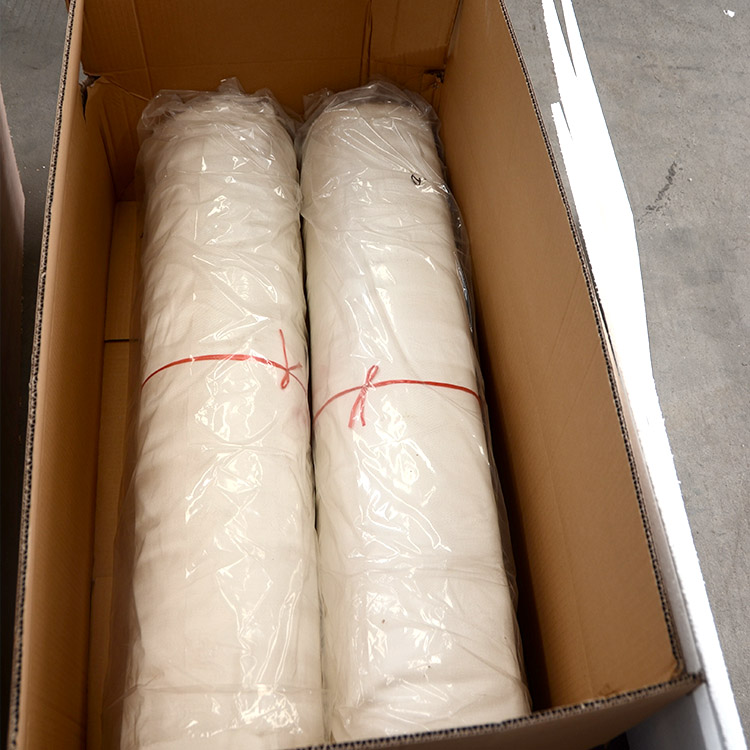
Refractory materials play a crucial role in industrial production, especially in high - temperature environments such as industrial kilns. They are essential for maintaining the normal operation of industrial equipment and ensuring production efficiency. Traditional magnesia - chrome bricks have been widely used in the past, but they have some limitations.
Traditional magnesia - chrome bricks can be classified into several types, including direct - bonded magnesia - chrome bricks and semi - direct - bonded magnesia - chrome bricks. However, these traditional products have significant performance defects. For example, in high - temperature environments, their high - temperature strength is relatively low, and their thermal stability is poor. According to industry statistics, traditional magnesia - chrome bricks may experience a strength loss of up to 30% at temperatures above 1500°C, which seriously affects the service life of industrial kilns.
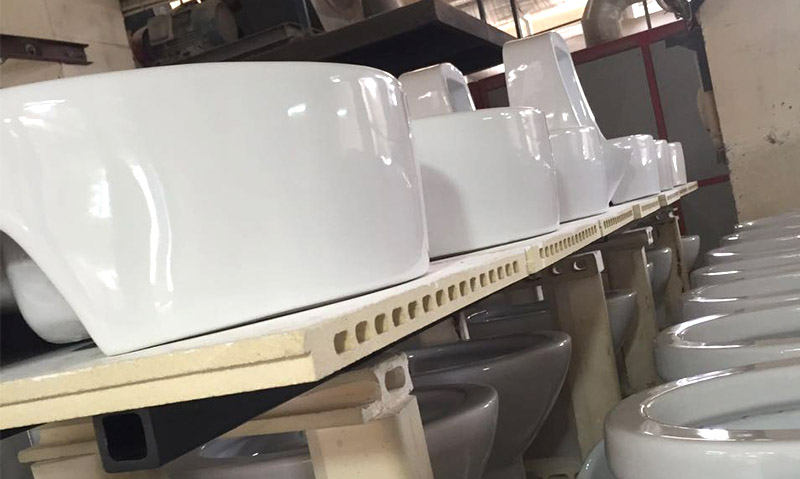
In the late 1950s, in response to the limitations of traditional magnesia - chrome bricks, researchers began to develop direct - bonded magnesia - chrome bricks. Through continuous research and experimentation, they found that by optimizing the production process, they could improve the bonding between magnesia and chrome, thereby enhancing the performance of the bricks. The new production process reduces the presence of low - melting - point substances in the bricks, which significantly improves the high - temperature strength and thermal stability of the product.
| Performance Indicators | Traditional Magnesia - Chrome Bricks | Direct - Bonded Magnesia - Chrome Bricks |
|---|---|---|
| High - Temperature Strength (at 1600°C) | 20 - 30 MPa | 40 - 50 MPa |
| Thermal Stability (number of thermal cycles) | 5 - 10 times | 15 - 20 times |
From the above data, it is clear that direct - bonded magnesia - chrome bricks significantly outperform traditional magnesia - chrome bricks in terms of high - temperature strength and thermal stability.
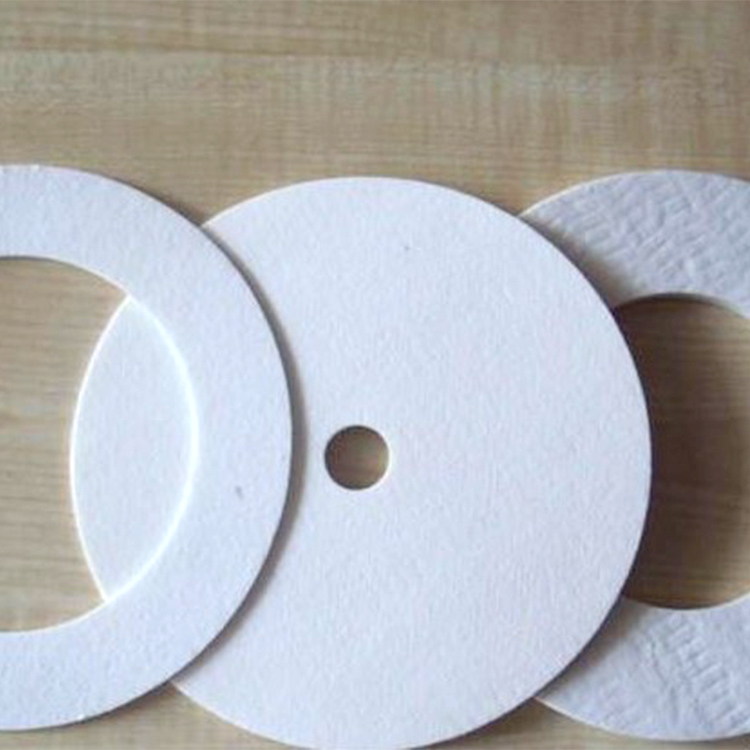
A steel company in China replaced the traditional magnesia - chrome bricks in its industrial kilns with direct - bonded magnesia - chrome bricks. After the replacement, the service life of the kiln increased from 1.5 years to 3 years, and the production efficiency increased by 20%. This shows that direct - bonded magnesia - chrome bricks can effectively improve the service life of industrial kilns and enhance production efficiency.
Direct - bonded magnesia - chrome bricks represent an important innovation in the refractory material industry. They not only solve the problems of traditional products but also bring new development opportunities to the industry. For engineering technicians and decision - makers, choosing direct - bonded magnesia - chrome bricks can help achieve more reliable industrial equipment operation and improve economic benefits.
If your company is still using traditional magnesia - chrome bricks and facing problems such as short kiln service life and low production efficiency, we strongly recommend that you consider using direct - bonded magnesia - chrome bricks. Click here to learn more about direct - bonded magnesia - chrome bricks and how they can transform your industrial production.