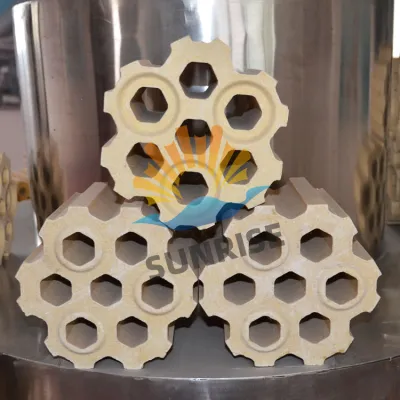
Hot blast furnaces are critical assets in heavy industry, relying heavily on refractory materials to sustain high temperatures and operational stability. Among these, silicon bricks stand out for their exceptional structural integrity and thermal performance, making them indispensable for performance optimization. This article delves into the structural features and rigorous quality control standards of silicon bricks, highlighting their proven contribution to increased furnace efficiency and reliability.
Silicon bricks are refractory materials chiefly composed of high-purity silica (SiO2), typically exceeding 90%, mixed with binding agents to attain optimal mechanical strength and thermal stability. These bricks are specifically designed for the harsh environment inside hot blast furnaces, which subject materials to temperatures ranging from 1400°C to 1600°C, as well as thermal shock and chemical attack from slags and gases.
Their function includes protecting furnace walls and maintaining thermal insulation, directly influencing energy consumption and operational lifespan.
The performance advantages of silicon bricks start with impeccable manufacturing controls. Size deviations are tightly regulated—commonly within ±0.5 mm—to ensure a seamless fit during installation, reducing gaps that could lead to heat loss. Crack control follows stringent criteria; visible surface cracks larger than 0.5 mm in width or extensive internal fissures are strictly disallowed. This rigorous inspection guarantees consistent mechanical strength exceeding 20 MPa and thermal stability over 1500°C.
| Quality Parameter | Tolerance / Standard |
|---|---|
| Dimensional Deviation | ±0.5 mm |
| Maximum Crack Width | ≤ 0.5 mm (surface), No extensive internal cracks |
| Compressive Strength | ≥ 20 MPa |
| Operating Temperature Resistance | 1400°C - 1600°C |
Proper installation is crucial to maximize silicon bricks’ performance. Prior to the masonry of composite bricks in external combustion (external-fired) hot blast furnaces, key preparatory steps include precise edge cutting, surface grinding, and pre-assembly checks. These steps help accommodate installation tolerances, ensuring airtight joints and optimal thermal insulation. For example, chamfering brick edges allows for better mortar adherence, minimizing heat leakage points and preventing premature cracking during operation.
Strict adherence to these preparatory protocols reduces installation errors and prolongs service life by up to 20% based on specific case studies.
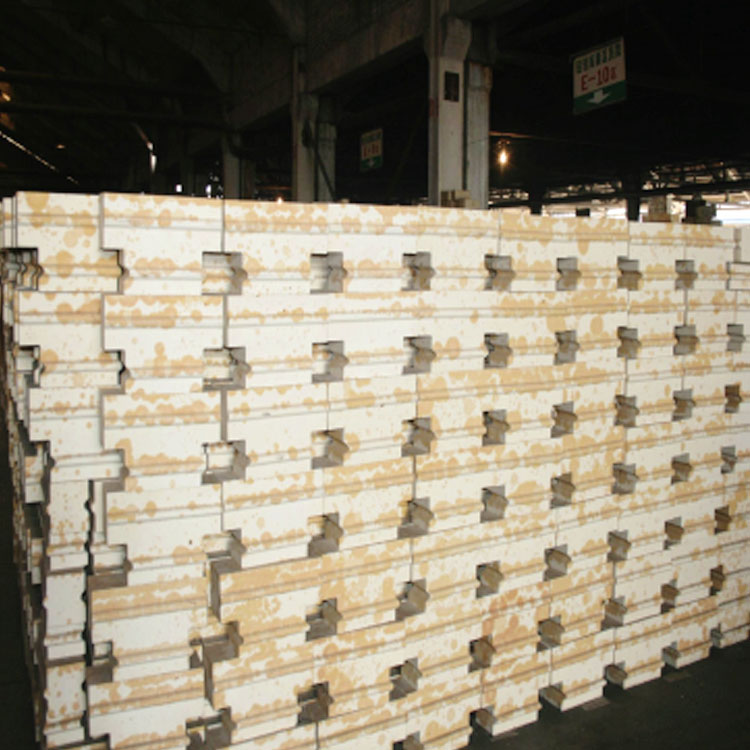
One metallurgical plant reported a 12% reduction in fuel consumption after retrofitting their hot blast furnace’s lining with premium-grade silicon bricks alongside rigorous installation protocols. The high thermal conductivity of quality silicon bricks enhanced heat retention, reducing the energy input needed to maintain optimal furnace temperature. Moreover, the bricks’ durability lowered maintenance downtime by 15%, amplifying overall operational efficiency.
This case not only exemplifies the value of choosing superior refractory materials but also underscores the importance of comprehensive quality control from production to installation.
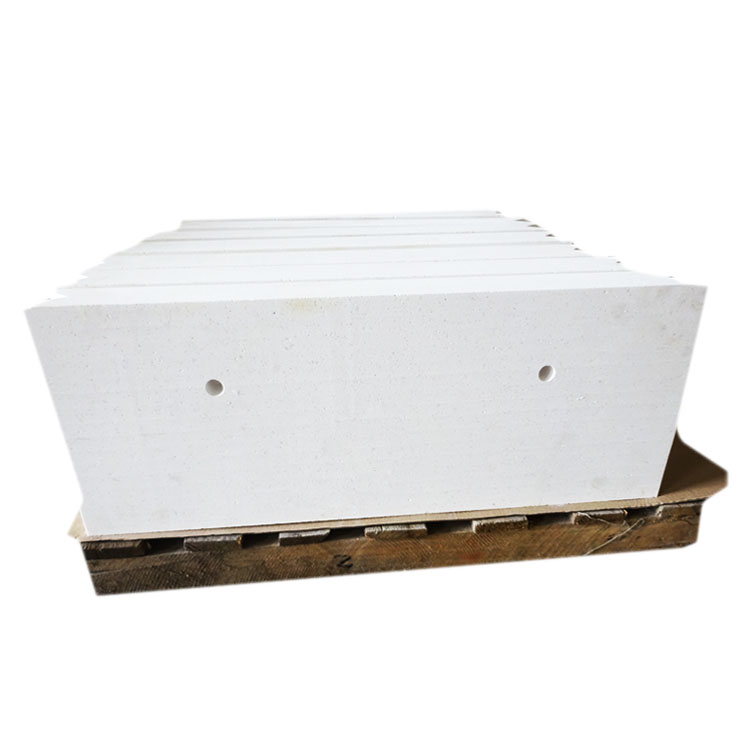
Our silicon bricks meet and exceed international standards, backed by advanced production lines employing digital inspection tools for crack and dimension monitoring with 99% compliance rates. Beyond product excellence, we provide on-site technical support ensuring installation correctness and operational guidance to protect your investment.
By partnering with us, your operation benefits from lower fuel costs, enhanced equipment lifespan, and reduced downtime—translating into tangible cost savings and productivity gains.
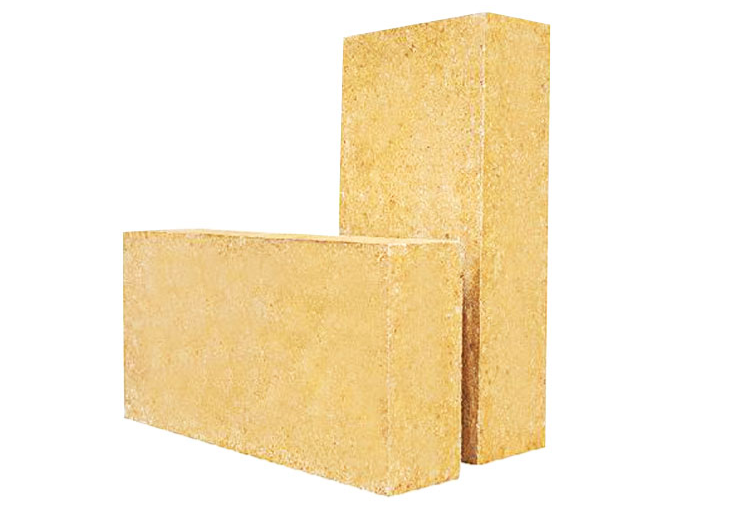
Discover How Our Silicon Bricks Can Boost Your Furnace Efficiency Today!