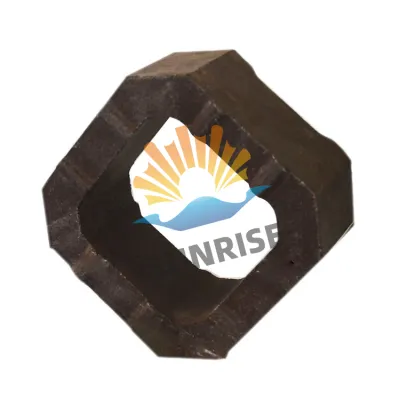
In high-temperature industries, the selection of refractory materials is a critical decision that directly impacts production stability and cost control. This article delves into the thermal shock stability advantages of ordinary magnesia-chrome bricks, aiming to provide B2B decision-makers with in-depth knowledge to make informed choices.
High-temperature industries, such as steel smelting, glass manufacturing, and cement production, often face challenges related to thermal shock. Furnace linings are particularly vulnerable to damage caused by rapid temperature fluctuations. For example, in a steelmaking furnace, the sudden change in temperature during the charging and tapping process can lead to cracks and spalling in the lining, reducing its service life and increasing maintenance costs. These issues not only disrupt production but also pose safety risks.
Ordinary magnesia-chrome bricks are composed of magnesia (MgO) and chromium oxide (Cr₂O₃). This unique combination gives them excellent thermal shock resistance, high refractoriness, and strong corrosion resistance. The magnesia provides high melting point and mechanical strength, while the chromium oxide enhances the brick's ability to resist chemical attack from slags and molten metals.
When exposed to high temperatures, the brick forms a dense and stable surface layer that acts as a barrier against further corrosion. This layer also helps to reduce heat transfer, improving energy efficiency in the furnace. Additionally, the brick's microstructure allows it to absorb and dissipate thermal stress, preventing cracks from forming and spreading.
Ordinary magnesia-chrome bricks have a wide range of applications in high-temperature industries:
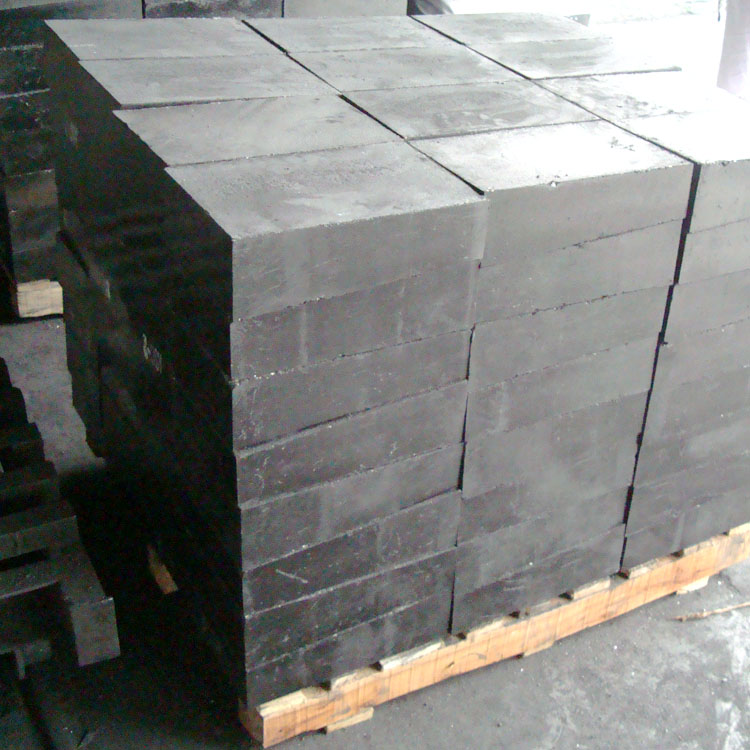
Compared with traditional magnesia bricks, ordinary magnesia-chrome bricks offer significant advantages in terms of thermal shock stability, strength, and service life. In a thermal shock test, traditional magnesia bricks showed visible cracks after only a few cycles, while ordinary magnesia-chrome bricks remained intact even after dozens of cycles.
The strength of ordinary magnesia-chrome bricks is also higher, allowing them to withstand greater mechanical stress in the furnace. This results in a longer service life, reducing the need for frequent replacements and minimizing downtime. In fact, studies have shown that the use of ordinary magnesia-chrome bricks can extend the lining's service life by up to 50% compared to traditional magnesia bricks.
Many customers in high-temperature industries have experienced the benefits of using ordinary magnesia-chrome bricks. For example, a steel mill in Europe replaced its traditional magnesia brick lining with ordinary magnesia-chrome bricks. As a result, they were able to reduce their downtime by more than 30%, saving significant costs in maintenance and production losses. Another glass manufacturer reported a 20% increase in energy efficiency after switching to these bricks, thanks to their improved thermal insulation properties.
"Since we started using ordinary magnesia-chrome bricks in our glass furnace, we have noticed a significant improvement in the furnace's performance. The bricks have excellent thermal shock resistance and corrosion resistance, and they have extended the service life of the furnace lining. We are very satisfied with the results." - A glass manufacturer
The use of ordinary magnesia-chrome bricks offers several benefits for cost reduction and efficiency improvement. By reducing downtime and maintenance costs, these bricks help to lower the overall production cost. Their excellent thermal insulation properties also contribute to energy savings, making them a more sustainable choice for high-temperature industries.
In addition, the longer service life of the bricks means less waste generation, which is in line with the principles of sustainable development. By choosing ordinary magnesia-chrome bricks, companies can not only improve their bottom line but also contribute to a more environmentally friendly future.
In conclusion, ordinary magnesia-chrome bricks are an ideal solution for high-temperature industries, offering superior thermal shock stability, corrosion resistance, and long service life. Their use can significantly improve production efficiency, reduce costs, and contribute to sustainable development. If you are looking for a reliable refractory material for your high-temperature applications, we invite you to visit our website to access technical data or contact our sales team.