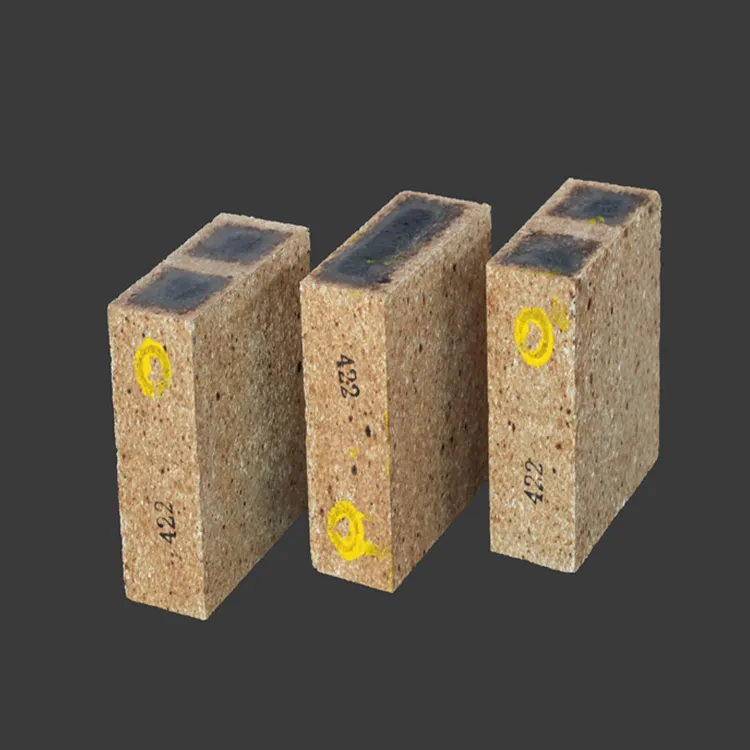
In high-temperature industrial furnaces—especially in steelmaking, cement kilns, and glass melting—refractory lining degradation remains a top cost driver. But what if the solution lies not in material hardness alone, but in how well it conducts heat?
You may be facing unplanned downtime due to frequent refractory replacements. This could be more than just maintenance fatigue—it might be a sign that your current brick lacks efficient thermal conductivity.
Thermal stress is one of the leading causes of refractory failure. When heat builds up unevenly across a lining, microcracks form—especially at interfaces between hot zones and cooler areas. High thermal conductivity helps distribute heat faster, reducing temperature gradients by up to 30–40% compared to traditional alumina-based bricks.
| Material Type | Thermal Conductivity (W/m·K) | Avg. Service Life (Months) |
|---|---|---|
| Alumina Brick | 15–20 | 6–9 |
| Standard SiC Brick | 25–30 | 12–15 |
| Silicon Nitride-Bonded SiC Brick | 35–45 | 18–24+ |
“We replaced our old Alumina bricks with silicon nitride-bonded SiC in our blast furnace hearth. After 18 months of continuous operation, we saw zero spalling or structural cracks. The difference in temperature uniformity was noticeable during inspections.” – Lead Engineer, European Steel Plant
This isn’t just theory—it’s validated by third-party lab tests showing a 22% reduction in surface temperature variation over time when using this advanced brick. That means less thermal shock, fewer repairs, and better energy efficiency.
For engineers and procurement managers evaluating options, the real question isn’t whether you can afford to switch—it’s whether you can afford not to.