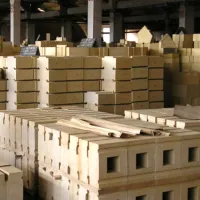
In today's competitive industrial landscape, energy efficiency isn't just a sustainability goal—it's a critical business imperative. Industrial kilns, the workhorses of sectors ranging from cement production to ceramics manufacturing, often operate at temperatures exceeding 1,200°C, consuming vast amounts of energy while losing up to 30% of heat through inefficient refractory materials. This heat loss translates directly to higher operational costs, increased carbon footprints, and reduced production capacity. Enter high thermal conductivity silica bricks—a material innovation that's reshaping the economics of industrial heating processes.
Sunrise's high thermal conductivity silica bricks achieve a 22% improvement in thermal conductivity compared to conventional silica bricks, primarily through optimized pore structure and controlled crystalline phase distribution. This translates to an average energy savings of 15-18% in industrial kiln applications.
Traditional silica bricks have long been limited by their inherent structural characteristics—irregular pore distribution, inconsistent crystalline formation, and suboptimal thermal transfer properties. Sunrise's engineering team approached this challenge by reimagining the material at the microstructural level, focusing on three critical areas:
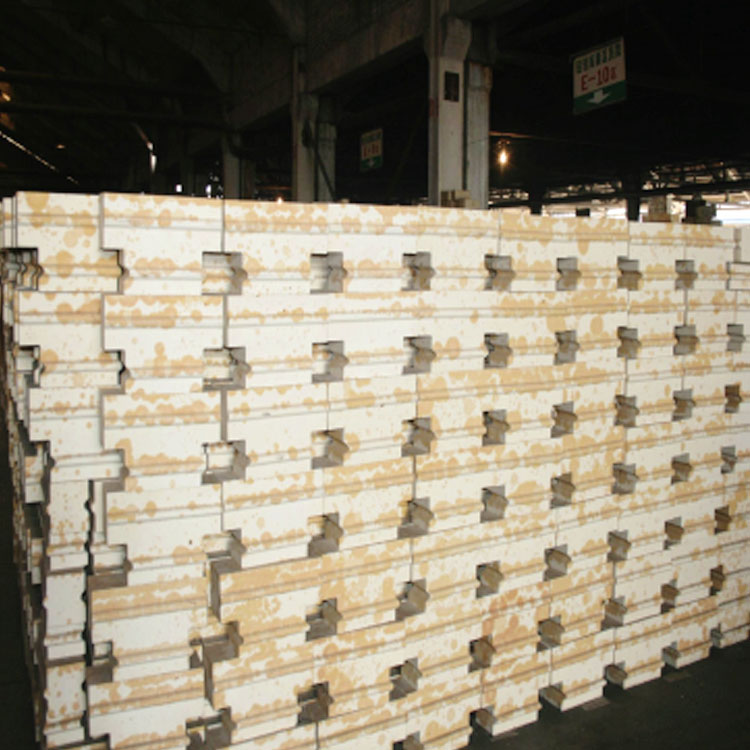
The structural innovations in Sunrise's high thermal conductivity silica bricks deliver measurable performance improvements that directly impact bottom-line results. In independent testing conducted at the Materials Performance Institute, the key performance metrics revealed:
| Performance Metric | Conventional Silica Bricks | Sunrise High Thermal Conductivity Silica Bricks | Improvement |
|---|---|---|---|
| Thermal Conductivity (W/m·K) at 1000°C | 1.2-1.4 | 1.7-1.8 | 22% |
| Heat Loss Reduction | Baseline | 28-32% | 28-32% |
| Service Life | 6-8 months | 12-14 months | 80% |
| Thermal Shock Resistance | 15-20 cycles | 35-40 cycles | 133% |
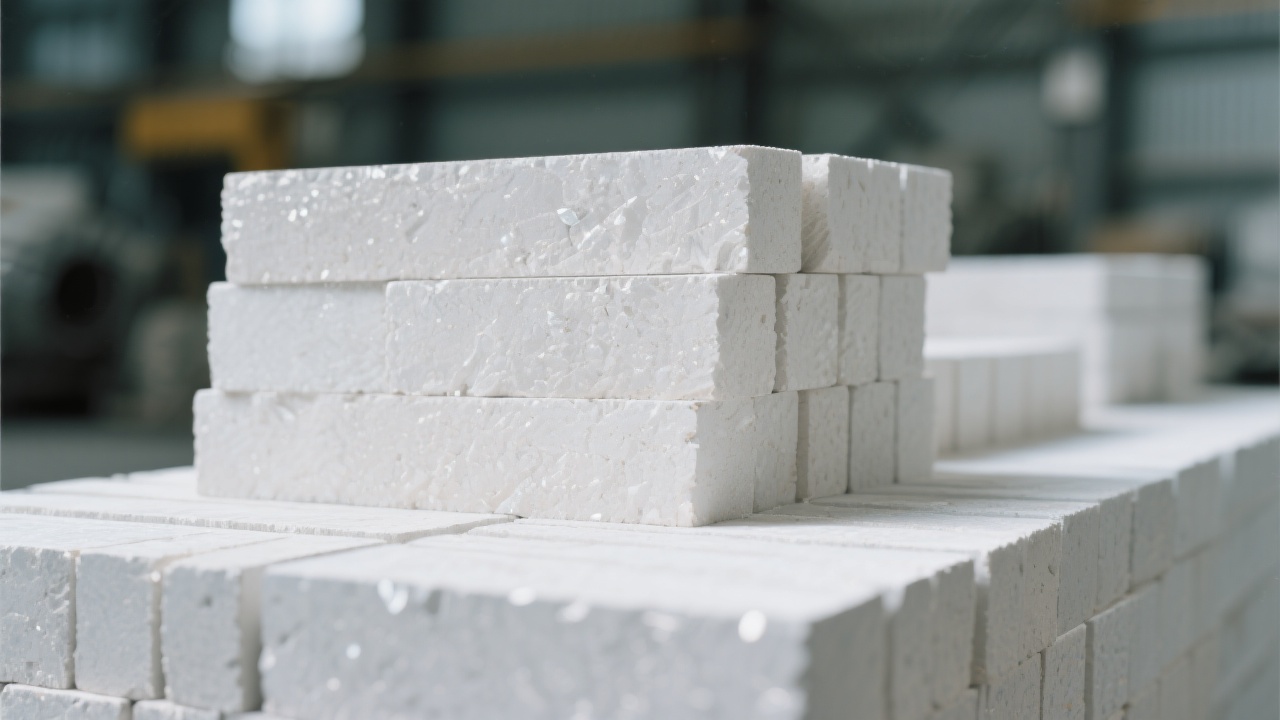
The theoretical advantages of high thermal conductivity silica bricks translate to tangible results in industrial settings. A leading cement manufacturer in Southeast Asia replaced conventional silica bricks with Sunrise's high thermal conductivity solution in their rotary kiln, resulting in:
Another application in a ceramic tile manufacturing facility demonstrated similar benefits, with the plant achieving a 15.2% reduction in energy consumption while improving product quality consistency by reducing temperature variations within the kiln by 40%.
While energy efficiency is often the primary consideration, the benefits of upgrading to high thermal conductivity silica bricks extend throughout the operational ecosystem:
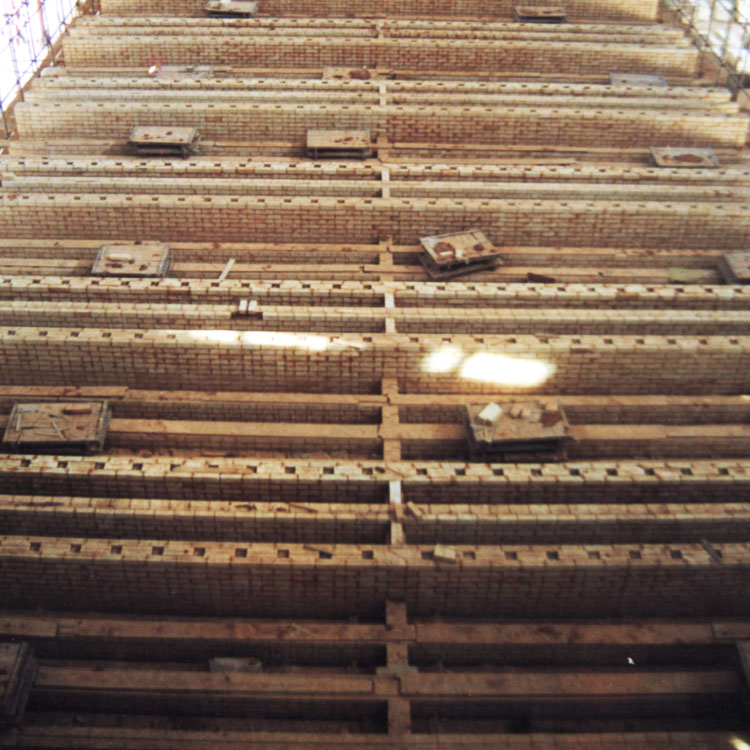
If your industrial kiln is more than 5 years old, or if you're experiencing any of these common issues, it's time to evaluate your refractory solution:
Let every degree of heat work for your bottom line with Sunrise high thermal conductivity silica bricks
*All performance data based on third-party testing under standard industrial conditions. Actual results may vary depending on specific kiln design, operating parameters, and application. Sunrise recommends a technical assessment to determine exact savings potential for your specific operation.
.jpg?x-oss-process=image/resize,h_600,m_lfit/format,webp)
 291
|
291
|
 vermiculite insulation board
aluminum industry energy saving
electrolytic aluminum cell lifespan extension
refractory insulation materials
industrial sustainable development
vermiculite insulation board
aluminum industry energy saving
electrolytic aluminum cell lifespan extension
refractory insulation materials
industrial sustainable development
 493
|
vermiculite insulation board
electrolytic aluminum cell corrosion resistance
high-temperature insulation materials
fluoride corrosion protection
aluminum industry energy saving
493
|
vermiculite insulation board
electrolytic aluminum cell corrosion resistance
high-temperature insulation materials
fluoride corrosion protection
aluminum industry energy saving
 489
|
Vermiculite insulation boards
Insulation materials for electrolytic aluminum cells
Energy - saving solutions for the aluminum industry
High - temperature insulation materials
Refractory insulation boards
489
|
Vermiculite insulation boards
Insulation materials for electrolytic aluminum cells
Energy - saving solutions for the aluminum industry
High - temperature insulation materials
Refractory insulation boards
 343
|
vermiculite insulation board
aluminum electrolysis cell protection
high-temperature insulation material
cryolite corrosion resistance
energy-saving insulation technology
343
|
vermiculite insulation board
aluminum electrolysis cell protection
high-temperature insulation material
cryolite corrosion resistance
energy-saving insulation technology
 367
|
Vermiculite insulation boards
Aluminum electrolysis cell insulation materials
Aluminum industry energy - saving technology
Refractory insulation board applications
Fluoride corrosion protection
367
|
Vermiculite insulation boards
Aluminum electrolysis cell insulation materials
Aluminum industry energy - saving technology
Refractory insulation board applications
Fluoride corrosion protection
.jpg?x-oss-process=image/resize,m_fill,h_200,w_200/format,webp)