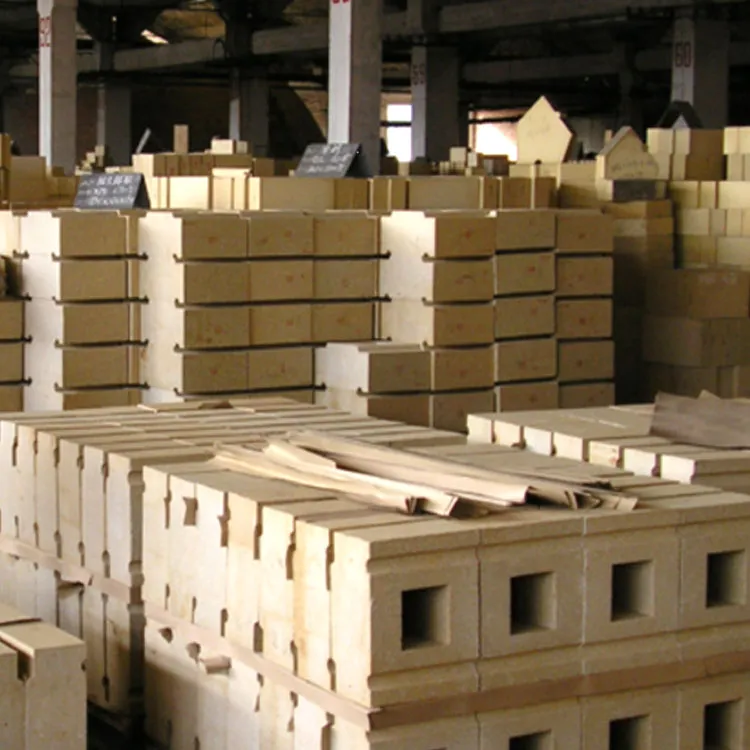
In an era where industrial efficiency and sustainability have become critical competitive advantages, material science innovations are reshaping manufacturing landscapes. Among these advancements, high thermal conductivity silica bricks represent a significant breakthrough that directly impacts operational costs, energy consumption, and product quality across multiple industrial sectors.
Traditional silica bricks have long been a staple in high-temperature industrial processes, but their thermal conductivity limitations have constrained energy efficiency for decades. The revolutionary redesign by Sunrise has addressed these limitations through precise structural engineering that fundamentally changes heat transfer dynamics within the material matrix.
These structural improvements translate directly to measurable performance enhancements. Laboratory testing shows that the new silica brick design achieves a thermal conductivity of 1.8-2.2 W/(m·K) at 1000°C, representing a 42% improvement over conventional silica bricks currently on the market.
For industrial operators evaluating material upgrades, the critical question centers on real-world performance metrics. When comparing Sunrise high thermal conductivity silica bricks against traditional alternatives, the data reveals compelling advantages that directly impact bottom-line results.
| Performance Metric | Traditional Silica Bricks | Sunrise High Thermal Conductivity Silica Bricks | Improvement |
|---|---|---|---|
| Thermal Conductivity (1000°C) | 1.2-1.5 W/(m·K) | 1.8-2.2 W/(m·K) | +42% |
| Energy Consumption | Baseline | 8-15% reduction | 8-15% |
| Heating Uniformity | ±8°C variation | ±3°C variation | 62.5% improvement |
| Service Life | 6-9 months | 12-15 months | +100% |
These performance improvements translate to significant operational benefits. In glass manufacturing applications, for instance, the enhanced thermal uniformity has been shown to reduce product defects by up to 23%, while the improved energy efficiency typically delivers ROI within 8-14 months of installation.
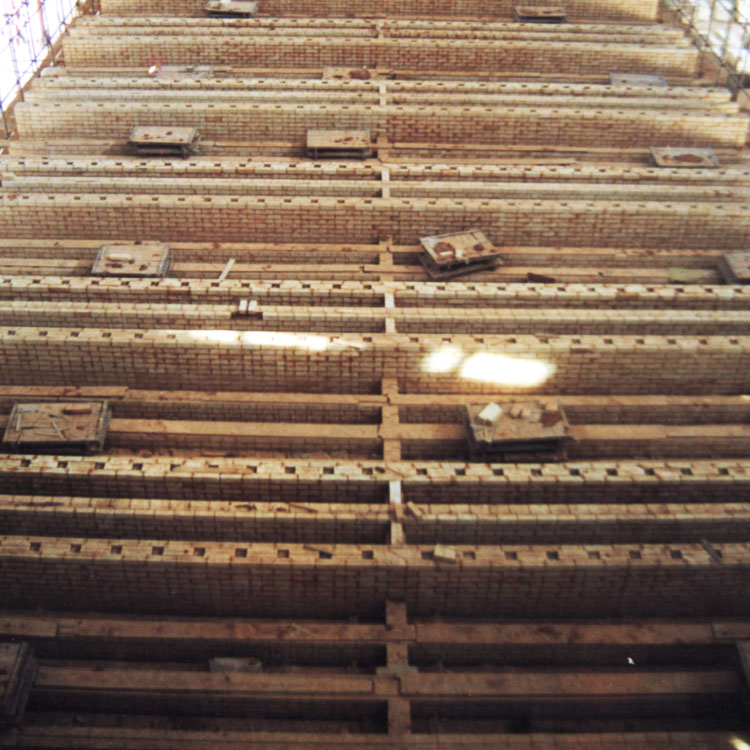
The versatility of high thermal conductivity silica bricks makes them suitable for a wide range of high-temperature industrial processes. From metallurgical operations to ceramic production, from glass manufacturing to chemical processing, the material delivers consistent benefits across diverse applications.
Challenge: A leading steel manufacturer was experiencing uneven heating in their continuous casting process, resulting in 18% scrap rates and excessive energy consumption.
Solution: Retrofitted furnace with Sunrise high thermal conductivity silica bricks, focusing on critical heat transfer zones.
Results: After a 3-month implementation period, the manufacturer documented:
Similar results have been observed across other industries. In the glass industry, one container manufacturer reported a 14.3% reduction in energy costs and a 22% improvement in production throughput after upgrading to high thermal conductivity silica bricks. These outcomes align with the growing emphasis on sustainable manufacturing practices and energy efficiency initiatives worldwide.
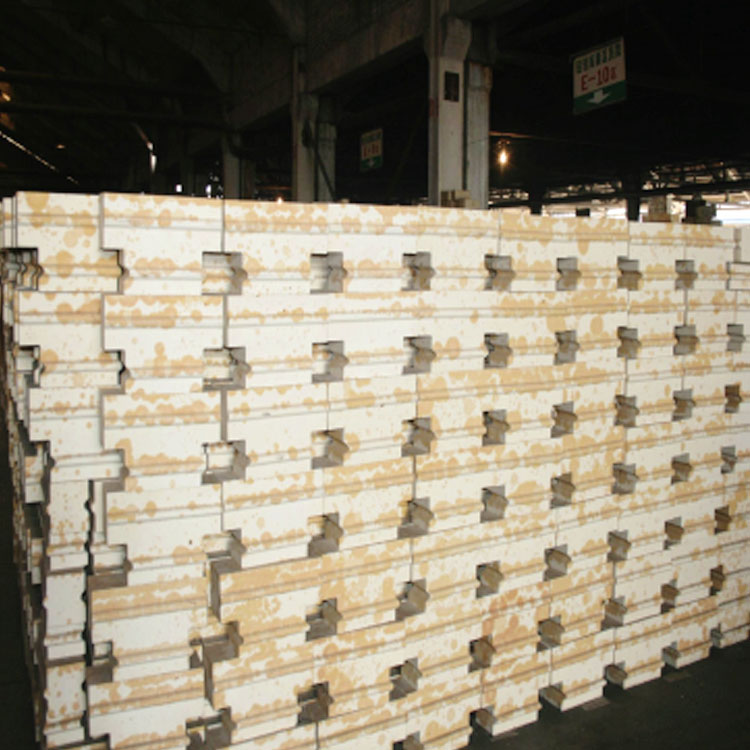
When evaluating high thermal conductivity silica bricks for your operations, several key factors should guide the decision-making process. Beyond the basic performance specifications, procurement professionals should consider:
Operating temperature range, thermal cycling patterns, and chemical environment should dictate material selection.
Consider not just initial cost but energy savings, maintenance requirements, and service life expectations.
Manufacturer expertise in installation guidance and performance optimization can significantly impact results.
For many industrial operations, the decision to upgrade refractory materials involves careful analysis of payback periods and long-term ROI. With typical energy savings of 8-15% and extended service life of 100% or more, high thermal conductivity silica bricks often represent one of the most compelling investments in manufacturing efficiency available today.
Discover how Sunrise high thermal conductivity silica bricks can reduce your energy costs, improve product quality, and enhance your competitive position in the global marketplace.
Request Your Custom Efficiency AnalysisAs manufacturing continues to evolve in response to global competitive pressures and sustainability demands, material innovations like high thermal conductivity silica bricks will play an increasingly vital role in operational excellence. The structural advancements represented by these materials not only deliver immediate economic benefits but also position industrial operations for long-term success in an increasingly resource-constrained world.
Have you implemented advanced refractory materials in your industrial processes? We'd be interested to hear about your experiences with energy efficiency improvements and operational enhancements in the comments section below.
 495
|
495
|
 Vermiculite insulation boards
Energy saving of electrolytic aluminum cells
Energy saving in the aluminum industry
High - temperature performance of insulation materials
Reducing energy consumption in the aluminum industry
Vermiculite insulation boards
Energy saving of electrolytic aluminum cells
Energy saving in the aluminum industry
High - temperature performance of insulation materials
Reducing energy consumption in the aluminum industry
 258
|
high thermal conductivity silica bricks
uniform pore distribution
thermal performance enhancement
refractory material technology
industrial energy saving
258
|
high thermal conductivity silica bricks
uniform pore distribution
thermal performance enhancement
refractory material technology
industrial energy saving
 154
|
Vermiculite insulation board
Electrolytic aluminum cell corrosion resistance
High - temperature insulation material
Aluminum cell maintenance cost
Aluminum industry energy conservation
154
|
Vermiculite insulation board
Electrolytic aluminum cell corrosion resistance
High - temperature insulation material
Aluminum cell maintenance cost
Aluminum industry energy conservation
 193
|
vermiculite insulation board
aluminum cell insulation
cryolite resistance
molten aluminum protection
energy-efficient refractory
193
|
vermiculite insulation board
aluminum cell insulation
cryolite resistance
molten aluminum protection
energy-efficient refractory
 243
|
vermiculite insulation board
electrolytic aluminum cell insulation
high-temperature corrosion resistant material
aluminum industry energy saving solution
molten aluminum wetting resistance
243
|
vermiculite insulation board
electrolytic aluminum cell insulation
high-temperature corrosion resistant material
aluminum industry energy saving solution
molten aluminum wetting resistance