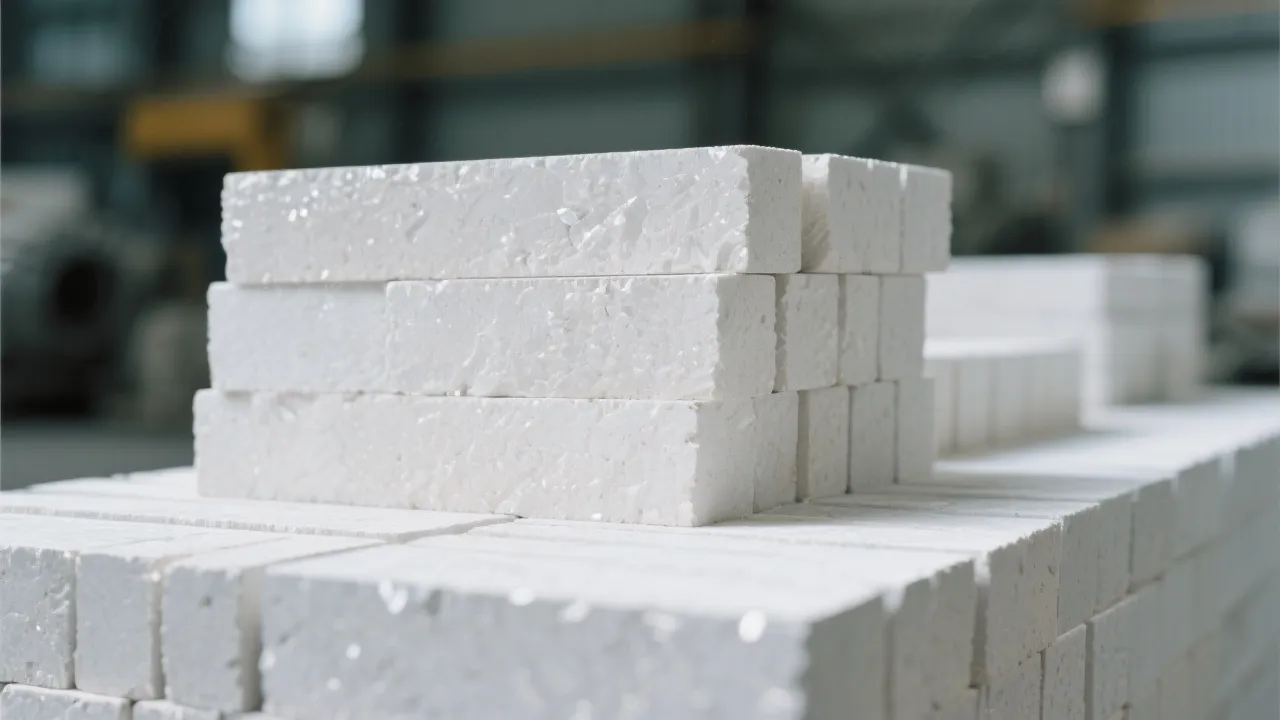
In today's competitive industrial landscape, energy efficiency has become a critical factor for sustainable operations and cost management. Industries ranging from metallurgy to ceramics are constantly seeking innovative materials that can enhance thermal performance while reducing operational expenses. Among these materials, high thermal conductivity silica bricks have emerged as a game-changer, offering significant improvements over traditional options. This article explores the structural innovations behind Sunrise high thermal conductivity silica bricks and their transformative impact on industrial thermal efficiency.
Silica bricks have long been a staple in high-temperature industrial applications due to their excellent thermal stability and chemical resistance. Traditional silica bricks typically have thermal conductivity values ranging from 1.2 to 1.8 W/(m·K) at operating temperatures. However, these conventional products often suffer from uneven pore distribution and larger average pore diameters (typically 20-30 μm), which limit their thermal performance and energy efficiency.
The introduction of high thermal conductivity silica bricks represents a significant technological leap. Through advanced manufacturing processes and material engineering, Sunrise has developed silica bricks with revolutionary structural characteristics that address the limitations of traditional products. These innovations have resulted in a material that not only maintains the inherent advantages of silica bricks but also delivers superior thermal conductivity and energy efficiency.
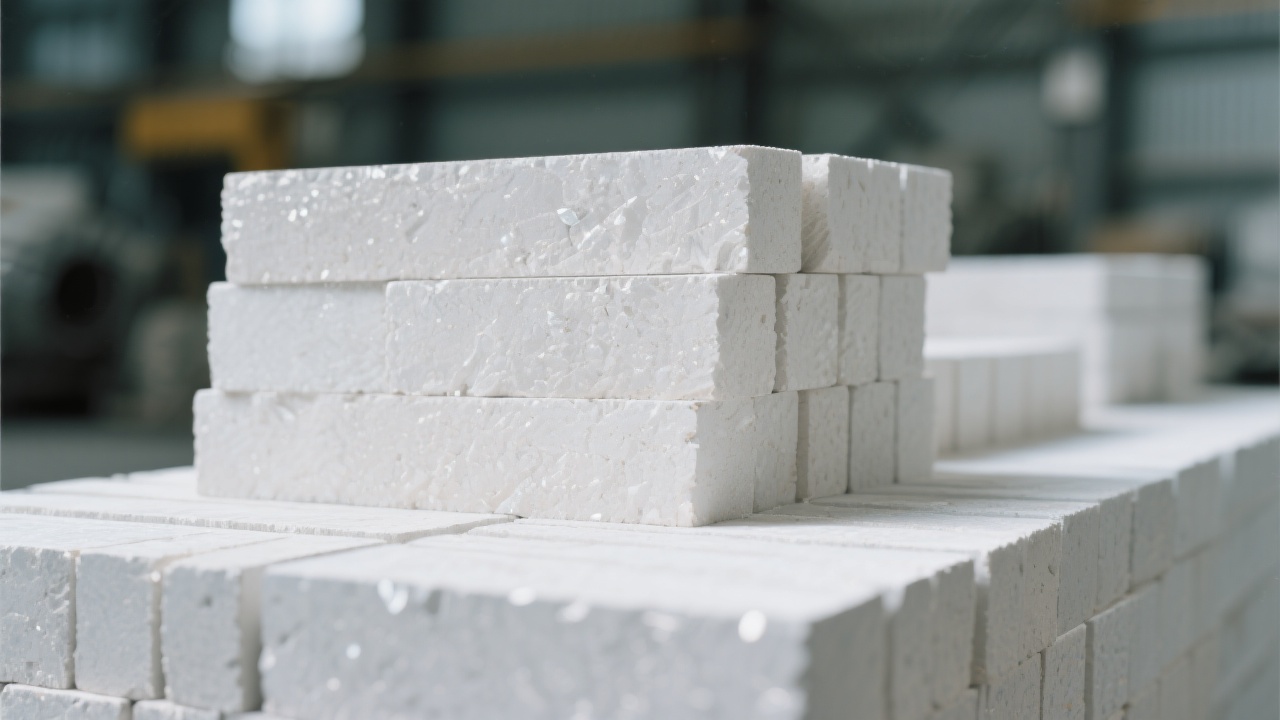
The structural innovations in Sunrise high thermal conductivity silica bricks translate directly to measurable performance improvements. Independent testing has confirmed that these advanced bricks offer thermal conductivity values ranging from 2.5 to 3.2 W/(m·K) at operating temperatures—representing an average increase of 60-75% compared to traditional silica bricks.
| Performance Parameter | Traditional Silica Bricks | Sunrise High Thermal Conductivity Silica Bricks | Improvement |
|---|---|---|---|
| Thermal Conductivity (W/(m·K)) | 1.2-1.8 | 2.5-3.2 | 60-75% |
| Average Pore Diameter (μm) | 20-30 | 3-8 | 70-85% |
| Porosity (%) | 25-30 | 18-22 | 20-27% |
| Service Life (months) | 6-12 | 12-18 | 50-100% |
The technical advantages of Sunrise high thermal conductivity silica bricks translate directly to tangible business benefits. In a recent case study involving a large-scale glass manufacturing facility, the adoption of these advanced bricks resulted in remarkable operational improvements:
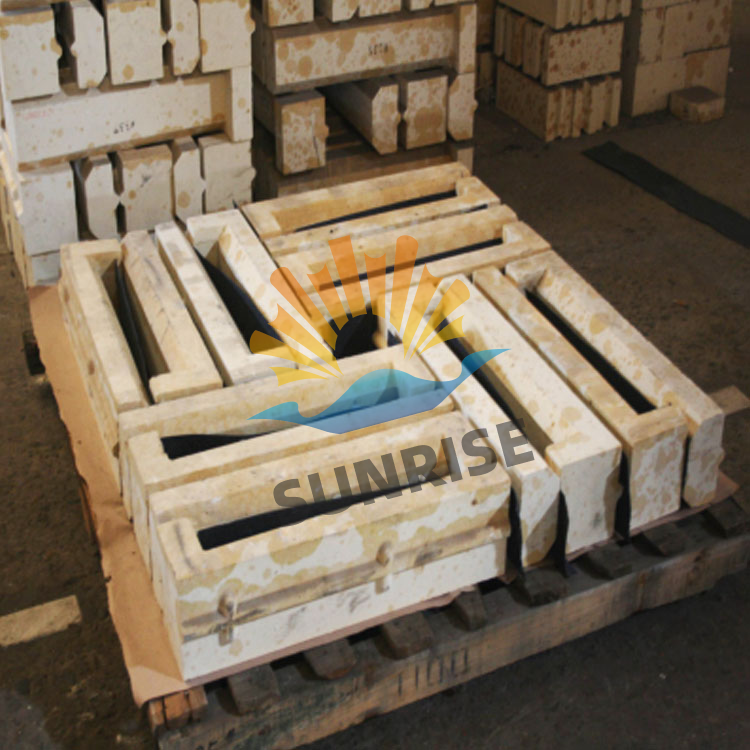
The glass manufacturer reported a 15-18% reduction in natural gas consumption after retrofitting their furnaces with Sunrise high thermal conductivity silica bricks. This translated to annual energy cost savings of approximately $120,000 for a single production line. Additionally, the improved thermal distribution resulted in more uniform heating, reducing product defects by 12% and increasing overall production efficiency by 8%.
Another compelling example comes from the steel industry, where a major producer implemented Sunrise high thermal conductivity silica bricks in their reheating furnaces. The results included a 14% reduction in fuel consumption, a 20% extension in refractory service life, and a 5% increase in production throughput due to more efficient heat transfer and reduced downtime for maintenance.
Beyond the immediate cost savings, the adoption of high thermal conductivity silica bricks offers strategic advantages that enhance long-term business competitiveness. In today's market, where energy costs continue to rise and environmental regulations become increasingly stringent, these advanced materials provide a dual benefit of reducing operational expenses while supporting sustainability goals.
The strategic value of these benefits becomes particularly evident when considering the long-term ROI of upgrading to high thermal conductivity silica bricks. While the initial investment may be higher than traditional options, most industrial facilities experience payback periods of 6-12 months through energy savings alone. When factoring in reduced maintenance costs, extended service life, and improved product quality, the total return on investment becomes even more compelling.
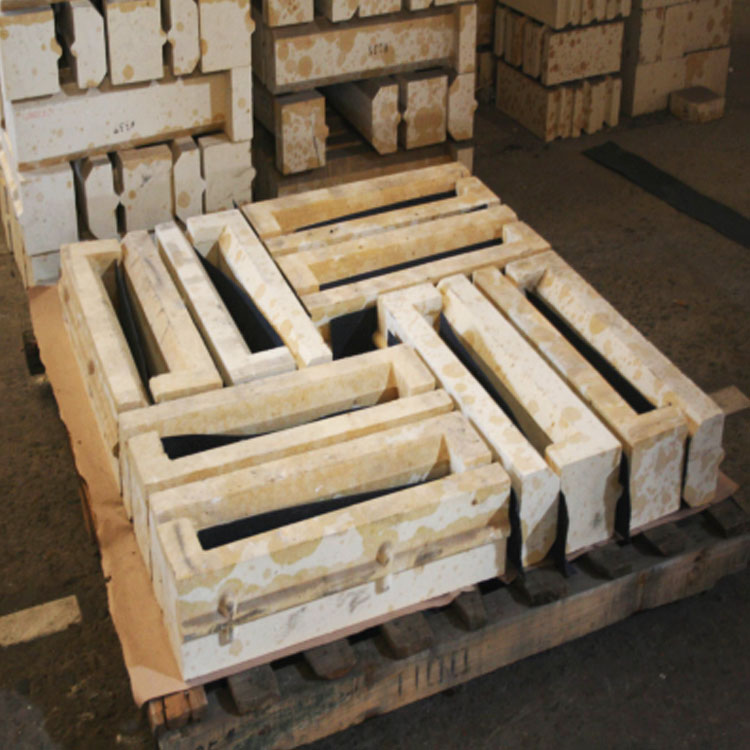
When evaluating the transition to high thermal conductivity silica bricks, industrial operators should consider several key factors to ensure optimal results. Proper furnace design and brick installation are critical to maximizing the performance benefits of these advanced materials. Working with experienced technical consultants who understand the unique properties of Sunrise high thermal conductivity silica bricks can help ensure proper integration into existing systems.
Another important consideration is the specific operating conditions of each application. Factors such as temperature profiles, thermal cycling patterns, and chemical environments can all influence material performance. Sunrise offers customized solutions tailored to specific industrial applications, ensuring that each customer receives the optimal silica brick formulation for their unique operating conditions.
Many companies also find value in conducting a comprehensive energy audit before and after installation to accurately measure the performance improvements and ROI. This data not only validates the investment but also provides valuable insights for optimizing other aspects of the production process.
Discover how Sunrise high thermal conductivity silica bricks can reduce your energy costs, improve product quality, and enhance your competitive position in the global market.
Request Your Custom Thermal Efficiency AnalysisThe decision to upgrade to high thermal conductivity silica bricks represents more than just a materials change—it's an investment in operational excellence, sustainability, and long-term business success. As energy costs continue to rise and environmental concerns become increasingly central to business strategy, the adoption of advanced thermal materials will likely become a key differentiator between industry leaders and followers.
Have you implemented advanced thermal materials in your industrial processes? What challenges did you face, and what results did you achieve? We invite you to share your experiences and insights in the comments section below.
 150
|
150
|
 vermiculite insulation panel
aluminum cell insulation
refractory insulation board
electrolytic aluminum energy saving
aluminum industry corrosion resistance
vermiculite insulation panel
aluminum cell insulation
refractory insulation board
electrolytic aluminum energy saving
aluminum industry corrosion resistance
 358
|
Vermiculite insulation boards
Aluminum industry refractories
Electrolytic aluminum cell insulation
Fluoride erosion resistance
Aluminum cell life extension
358
|
Vermiculite insulation boards
Aluminum industry refractories
Electrolytic aluminum cell insulation
Fluoride erosion resistance
Aluminum cell life extension
 489
|
Vermiculite insulation boards
Insulation materials for electrolytic aluminum cells
Energy - saving solutions for the aluminum industry
High - temperature insulation materials
Refractory insulation boards
489
|
Vermiculite insulation boards
Insulation materials for electrolytic aluminum cells
Energy - saving solutions for the aluminum industry
High - temperature insulation materials
Refractory insulation boards
 213
|
vermiculite insulation board
aluminum cell durability
electrolytic aluminum process
high-temperature insulation material
cryolite resistance
213
|
vermiculite insulation board
aluminum cell durability
electrolytic aluminum process
high-temperature insulation material
cryolite resistance
 78
|
silicon nitride bonded silicon carbide bricks
ceramic refractory materials
high-temperature corrosion resistance
refractory material case studies
industrial kiln energy-saving solutions
78
|
silicon nitride bonded silicon carbide bricks
ceramic refractory materials
high-temperature corrosion resistance
refractory material case studies
industrial kiln energy-saving solutions