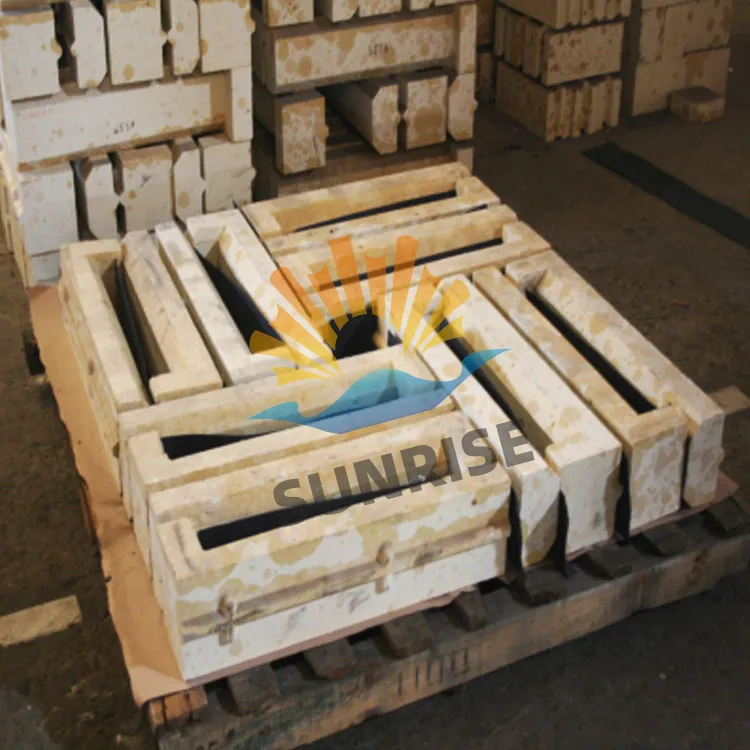
In an era where industrial energy efficiency has transitioned from a competitive advantage to an operational necessity, material science innovations are reshaping manufacturing landscapes worldwide. Among these innovations, high thermal conductivity silica bricks represent a significant technological leap forward from traditional silica brick solutions, offering transformative benefits for industries ranging from steel production to glass manufacturing. As global energy regulations tighten and operational costs rise, understanding the structural differences between these advanced materials and their conventional counterparts becomes critical for procurement decision-makers seeking long-term value and sustainability.
The fundamental distinction between high thermal conductivity silica bricks and traditional versions lies in their microstructural architecture—a difference invisible to the naked eye but profound in its performance implications. Traditional silica bricks typically exhibit an irregular pore structure with diameters ranging from 20-50 micrometers, often clustered in uneven distributions throughout the material matrix. This structural inconsistency creates thermal resistance pockets that impede efficient heat transfer.
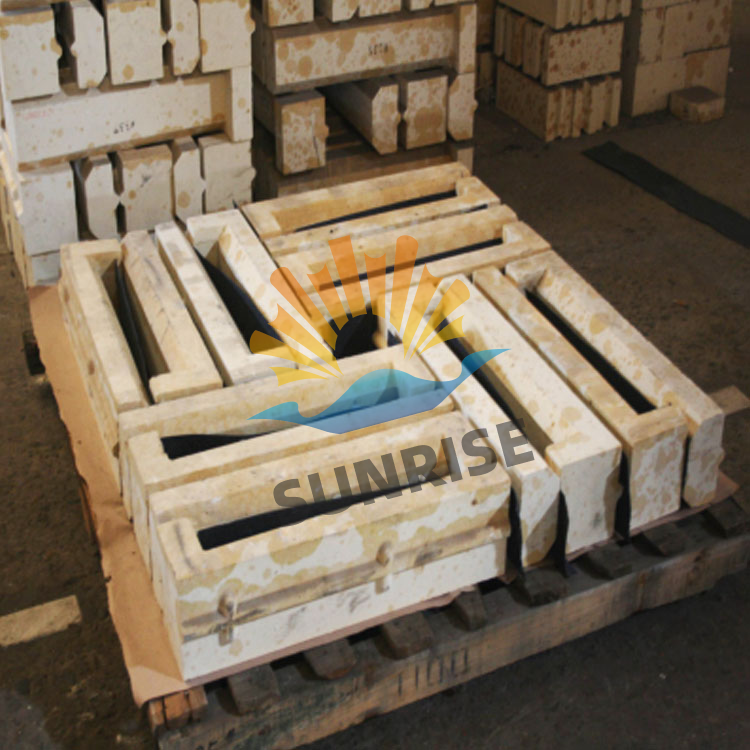
In contrast, advanced manufacturing processes developed by industry leaders like Sunrise have engineered silica bricks with a precisely controlled pore structure, featuring diameters consistently below 2 micrometers—representing a 20-fold reduction compared to traditional alternatives. This uniform distribution of micro-pores creates a continuous thermal pathway through the material, significantly reducing thermal resistance while maintaining structural integrity under extreme temperatures.
Beyond pore architecture, the crystalline composition of high thermal conductivity silica bricks further enhances their performance capabilities. Traditional silica bricks primarily consist of cristobalite and tridymite phases, which, while thermally stable, offer limited heat transfer properties. High thermal conductivity variants, however, incorporate a significantly higher content of flake quartz—typically 35-45% compared to 15-20% in conventional products.
This increased flake quartz content creates a more thermally conductive crystalline network. When combined with the optimized pore structure, these materials achieve thermal conductivity values of 2.5-3.0 W/(m·K) at operating temperatures, compared to the 1.0-1.2 W/(m·K) range of traditional silica bricks. This substantial improvement translates directly to energy savings, with industrial furnace operators reporting 15-20% reduction in fuel consumption after retrofitting with high thermal conductivity silica bricks.
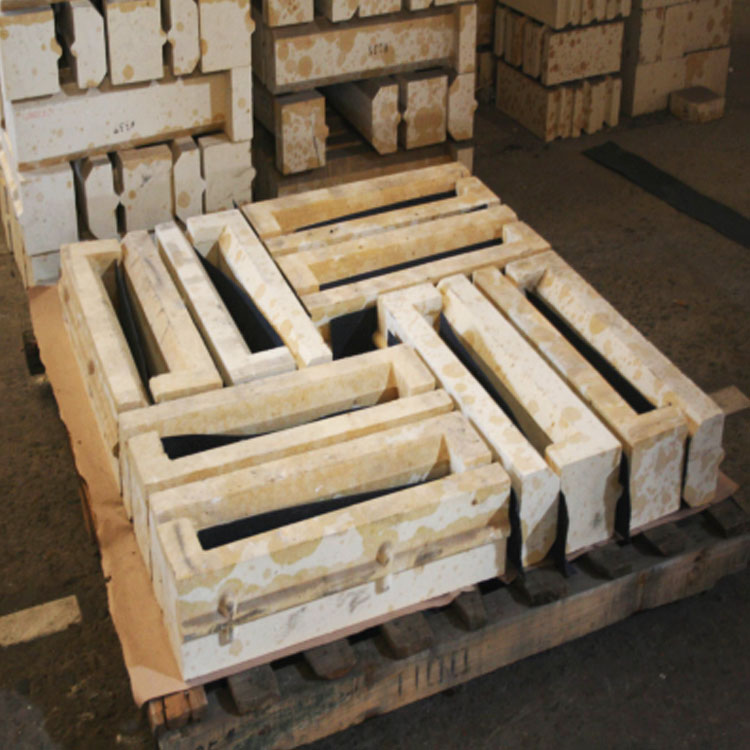
The technical advantages of high thermal conductivity silica bricks translate to tangible operational benefits for manufacturers operating in competitive global markets. In steel production, for instance, the improved heat transfer efficiency enables more precise temperature control, reducing process variability and improving product quality. Glass manufacturers experience faster furnace ramp-up times and more uniform heating profiles, leading to reduced cycle times and increased throughput.
Perhaps most compelling for international buyers is the lifecycle cost advantage. While the initial investment in high thermal conductivity silica bricks may be 20-30% higher than traditional alternatives, the energy savings and extended service life—typically 30-50% longer—result in a payback period of 12-18 months in most industrial applications. This rapid return on investment has positioned these advanced materials as a strategic procurement choice for forward-thinking manufacturers across Europe, North America, and emerging industrial hubs in Southeast Asia.
As nations worldwide implement stricter energy efficiency regulations and carbon reduction targets, the选材 decisions made today will directly impact operational compliance and market competitiveness tomorrow. The European Union's Carbon Border Adjustment Mechanism (CBAM) and similar policies in North America and Asia are making energy-intensive manufacturing processes increasingly costly for those relying on outdated materials and technologies.
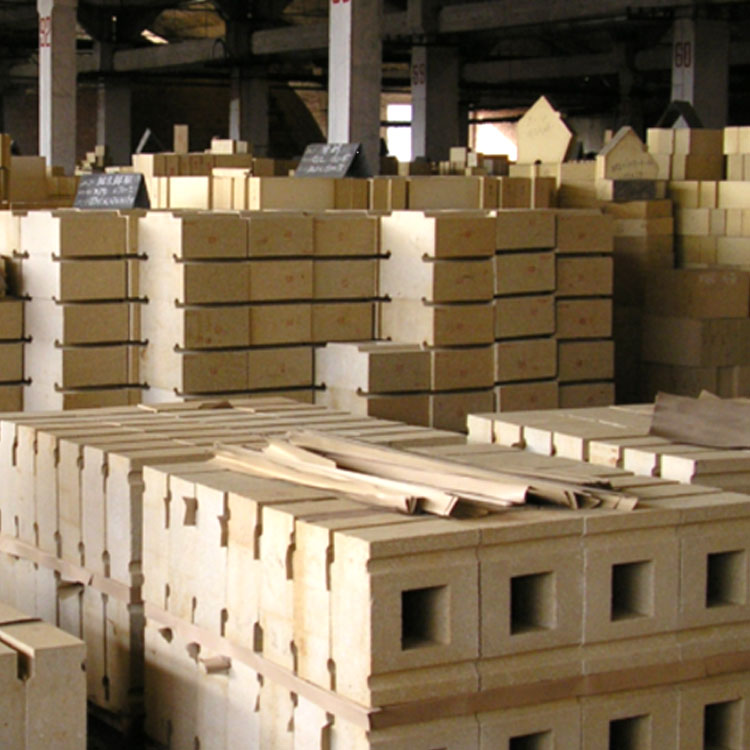
High thermal conductivity silica bricks represent more than just a material upgrade—they embody a strategic response to the global energy transition. By reducing energy consumption and associated carbon emissions, manufacturers can position themselves as environmentally responsible industry leaders while protecting their bottom lines from regulatory and market pressures.
As global competition intensifies and energy costs continue their upward trajectory, the decision to upgrade to high thermal conductivity silica bricks is rapidly shifting from an option to a necessity. Manufacturers who delay this transition may find themselves at a significant disadvantage in both operational efficiency and regulatory compliance.
For procurement professionals navigating the complex landscape of industrial materials, the structural advantages of high thermal conductivity silica bricks offer a clear path to enhanced operational performance and market competitiveness. By prioritizing materials that deliver both immediate efficiency gains and long-term sustainability benefits, manufacturers can position themselves at the forefront of industrial innovation while contributing to the global transition toward more sustainable production practices.

 258
|
258
|
 high thermal conductivity silica bricks
uniform pore distribution
thermal performance enhancement
refractory material technology
industrial energy saving
high thermal conductivity silica bricks
uniform pore distribution
thermal performance enhancement
refractory material technology
industrial energy saving
 100
|
Vermiculite insulation boards
Energy saving in aluminum electrolysis cells
Insulation materials for aluminum industry
Heat loss control
Maintenance cost reduction
100
|
Vermiculite insulation boards
Energy saving in aluminum electrolysis cells
Insulation materials for aluminum industry
Heat loss control
Maintenance cost reduction
 358
|
Vermiculite insulation boards
Aluminum industry refractories
Electrolytic aluminum cell insulation
Fluoride erosion resistance
Aluminum cell life extension
358
|
Vermiculite insulation boards
Aluminum industry refractories
Electrolytic aluminum cell insulation
Fluoride erosion resistance
Aluminum cell life extension
 194
|
vermiculite insulation panels
aluminum industry energy efficiency
electrolytic cell insulation
high-temperature refractory materials
sustainable aluminum production
194
|
vermiculite insulation panels
aluminum industry energy efficiency
electrolytic cell insulation
high-temperature refractory materials
sustainable aluminum production
 154
|
Vermiculite insulation board
Electrolytic aluminum cell corrosion resistance
High - temperature insulation material
Aluminum cell maintenance cost
Aluminum industry energy conservation
154
|
Vermiculite insulation board
Electrolytic aluminum cell corrosion resistance
High - temperature insulation material
Aluminum cell maintenance cost
Aluminum industry energy conservation
.jpg?x-oss-process=image/resize,m_fill,h_200,w_200/format,webp)