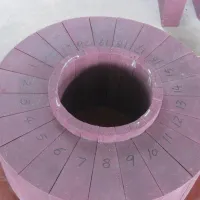
In the high-temperature industrial sector, thermal efficiency isn't just a technical parameter—it's the cornerstone of operational profitability. For plant managers and engineers overseeing kilns, furnaces, and reactors, the choice of refractory materials directly impacts energy consumption, production cycles, and bottom-line results. Today, we're exploring a material innovation that's quietly revolutionizing heat management: high thermal conductivity silica bricks from Sunrise. These advanced refractories aren't just an incremental improvement; they represent a fundamental shift in how we approach thermal efficiency in extreme environments.
Traditional silica bricks have long been the workhorse of high-temperature industries, valued for their excellent refractoriness and chemical stability. However, their thermal conductivity has historically been limited by inherent structural characteristics—primarily irregular pore distribution and inconsistent crystal formation. This is where Sunrise's high thermal conductivity silica bricks introduce a game-changing difference.
Under 20x magnification, the structural disparity between conventional and high-performance silica bricks becomes strikingly clear. Traditional bricks typically exhibit pore sizes ranging from 50-150μm with uneven distribution, creating thermal "bottlenecks" that impede heat transfer. In contrast, Sunrise's optimized manufacturing process produces bricks with uniformly distributed pores averaging just 10-30μm—less than half the size of conventional alternatives.
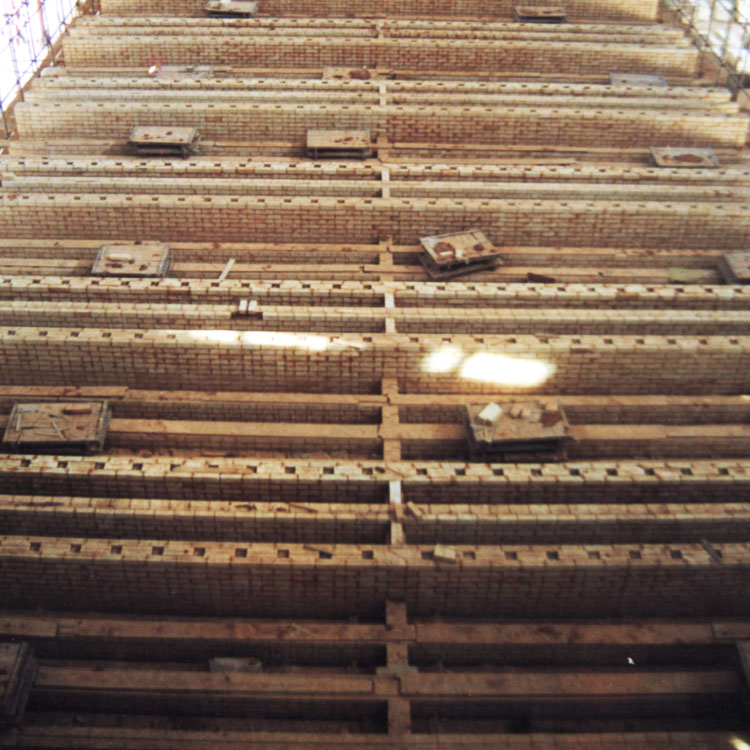
This microstructural refinement isn't merely aesthetic; it directly translates to thermal performance. Laboratory testing shows that controlled pore distribution can enhance thermal conductivity by up to 35% compared to standard silica bricks, while maintaining equivalent mechanical strength and thermal shock resistance. For industrial operations running 24/7, this translates to measurable energy savings and process optimization.
To appreciate the significance of this structural optimization, we must first understand the physics of heat transfer in refractory materials. Thermal conductivity in solids occurs through three primary mechanisms: phonon conduction (lattice vibrations), electron conduction, and radiation. In silica-based refractories, phonon conduction dominates—but its efficiency is heavily influenced by material density and pore structure.
While it might seem intuitive that a completely dense material would conduct heat best, refractories require some porosity to accommodate thermal expansion and prevent cracking. The key lies in achieving the optimal porosity range—typically 18-22% for high thermal conductivity silica bricks. Within this range, Sunrise's proprietary manufacturing process ensures pores are not only smaller but also isolated rather than interconnected, minimizing heat loss through convection within pore channels.
At operating temperatures above 1000°C, radiant heat transfer becomes increasingly significant. The uniform microstructure of Sunrise high thermal conductivity silica bricks creates a more consistent path for radiant heat flow, further enhancing overall thermal performance in industrial furnace conditions.
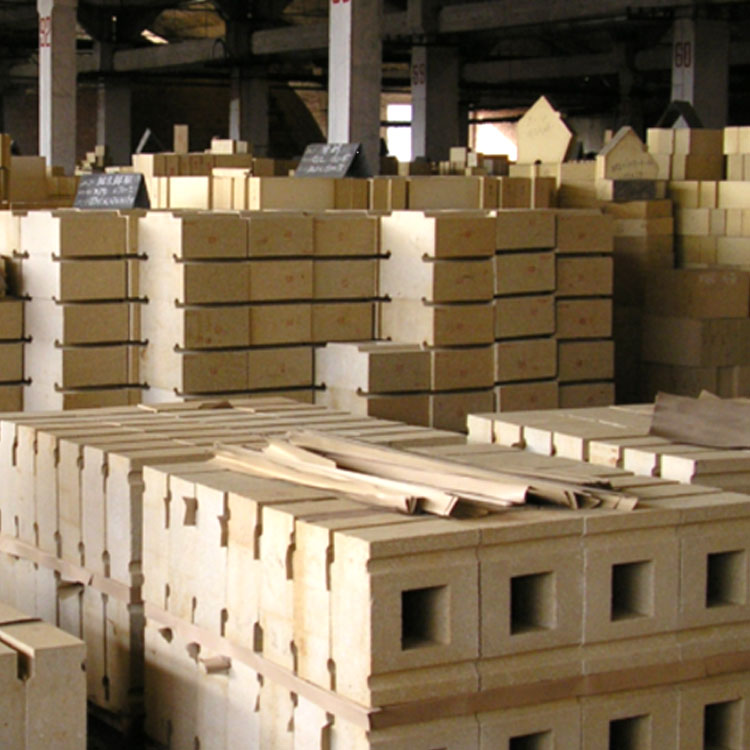
Have you ever calculated the energy losses in your current furnace setup? Many operations accept thermal inefficiencies as an unavoidable cost of doing business, without realizing that modern refractory technology could be saving them hundreds of thousands annually in energy expenses.
The theoretical advantages of structural optimization translate directly to operational improvements. Consider a cement production facility running a rotary kiln 24 hours a day, 365 days a year. After retrofitting with Sunrise high thermal conductivity silica bricks, the plant documented a 12% reduction in fuel consumption—equating to approximately $280,000 in annual savings based on average natural gas prices. The payback period for the refractory upgrade was just 8 months.
While energy reduction is the most measurable benefit, the advantages extend further: improved temperature uniformity across the furnace chamber reduced product variation by 15% in a glass manufacturing application. In a steel reheat furnace, the enhanced thermal response allowed for faster heating cycles, increasing throughput by 8% without compromising product quality.
Maintenance intervals also saw improvement, with one chemical processing plant reporting a 30% extension in refractory service life after switching to Sunrise high thermal conductivity silica bricks, significantly reducing downtime and maintenance costs.
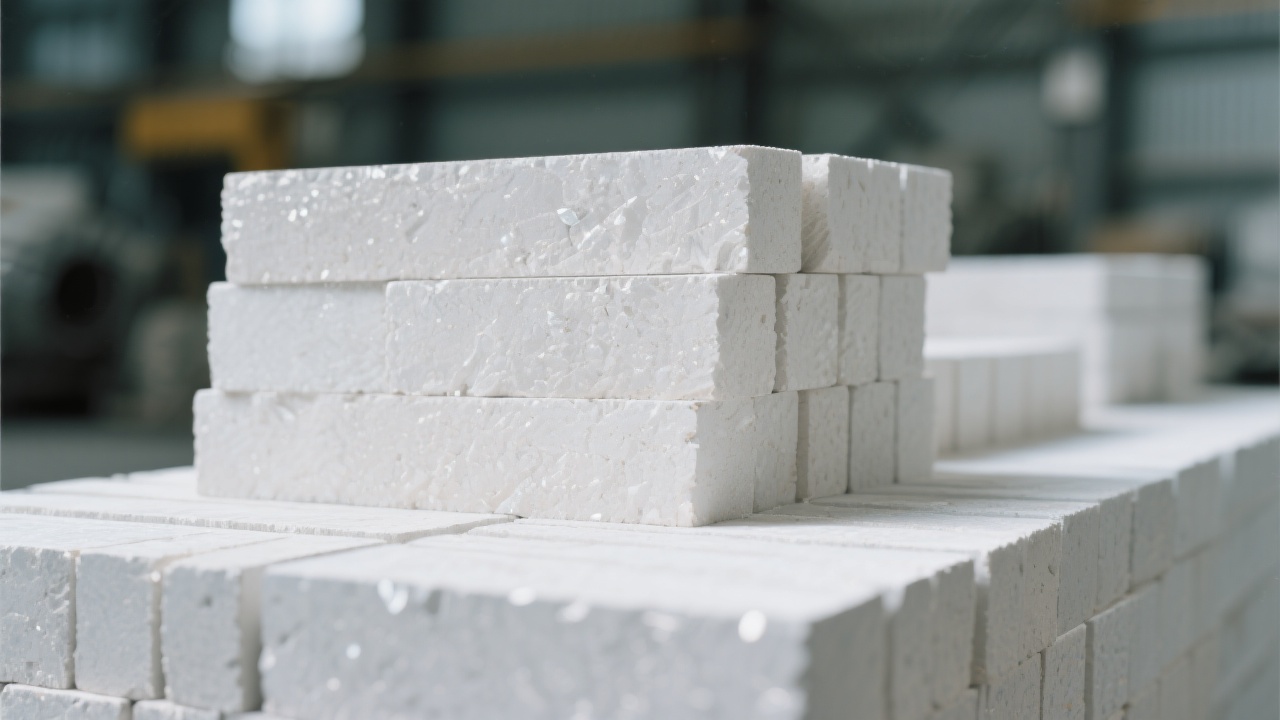
These case studies demonstrate that high thermal conductivity silica bricks aren't merely a material upgrade—they're a strategic investment in operational efficiency. The structural innovations developed by Sunrise address the fundamental challenge of balancing thermal performance with durability, creating a refractory solution that delivers value across multiple dimensions of industrial operation.
Choosing Sunrise high thermal conductivity silica bricks means selecting a more efficient, more reliable long-term investment for your industrial operations. Our engineering team can conduct a free thermal efficiency assessment to identify potential savings in your specific application.
Request Your Custom Thermal AnalysisAs industries face increasing pressure to reduce energy consumption and carbon footprint, the role of advanced refractory materials becomes ever more critical. The structural innovations in high thermal conductivity silica bricks represent a proven path to significant energy savings, operational improvements, and sustainability benefits. For forward-thinking industrial operators, the question isn't whether to upgrade, but how soon they can start realizing these advantages.

 185
|
185
|
 directly combined magnesite-chromite bricks
refractory material performance
industrial furnace efficiency
directly combined magnesite-chromite bricks
refractory material performance
industrial furnace efficiency
 358
|
Vermiculite insulation boards
Aluminum industry refractories
Electrolytic aluminum cell insulation
Fluoride erosion resistance
Aluminum cell life extension
358
|
Vermiculite insulation boards
Aluminum industry refractories
Electrolytic aluminum cell insulation
Fluoride erosion resistance
Aluminum cell life extension
 89
|
Silicon nitride bonded silicon carbide bricks
Metallurgical blast furnace refractories
Refractory material upgrade
High thermal conductivity refractory bricks
Erosion - resistant refractory materials
89
|
Silicon nitride bonded silicon carbide bricks
Metallurgical blast furnace refractories
Refractory material upgrade
High thermal conductivity refractory bricks
Erosion - resistant refractory materials
 209
|
silicon nitride-bonded silicon carbide bricks
high-quality refractory materials
international recognition
customer case studies
market data
209
|
silicon nitride-bonded silicon carbide bricks
high-quality refractory materials
international recognition
customer case studies
market data
 250
|
vermiculite insulation panel
aluminum electrolysis cell insulation
high temperature insulation material
energy saving solution for aluminum industry
reduce aluminum cell maintenance cost
250
|
vermiculite insulation panel
aluminum electrolysis cell insulation
high temperature insulation material
energy saving solution for aluminum industry
reduce aluminum cell maintenance cost


.jpg?x-oss-process=image/resize,m_fill,h_200,w_200/format,webp)