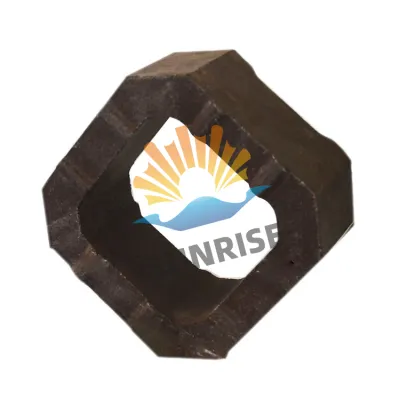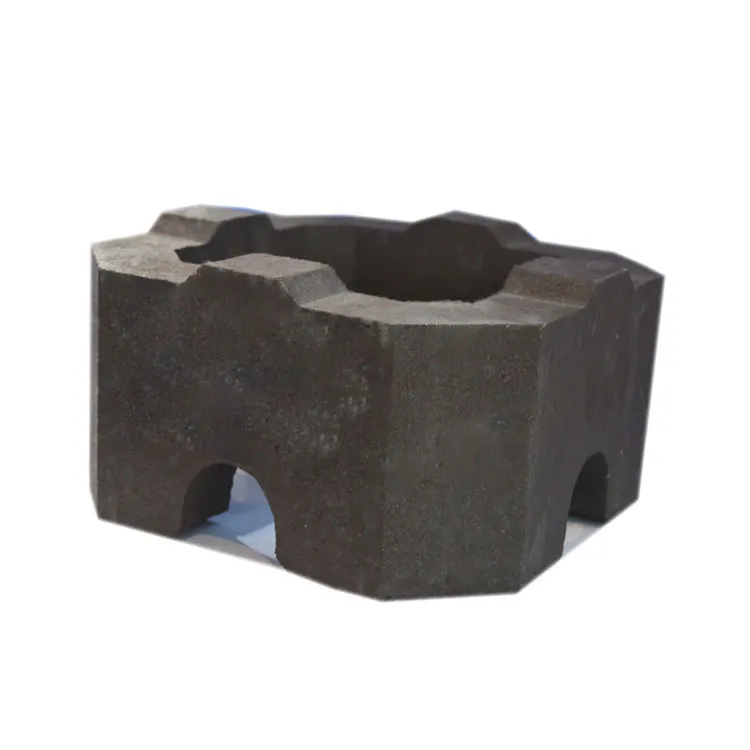
Selecting the right refractory materials for high-temperature kilns is a critical decision in industries such as steel, cement, and glass manufacturing. Among various options, ordinary magnesia-chrome bricks have emerged as a popular choice. This article will delve into the raw materials and manufacturing processes of ordinary magnesia-chrome bricks, and explain why they are ideal for high-temperature industrial applications.
The primary raw materials for ordinary magnesia-chrome bricks are sintered magnesia and refractory-grade chrome ore. Sintered magnesia is produced by high-temperature sintering of magnesite, which has high purity and density. Refractory-grade chrome ore is rich in chromium oxide, which provides excellent high-temperature resistance and chemical stability.
The scientific ratio of sintered magnesia and refractory-grade chrome ore is crucial. Generally, the content of magnesia in ordinary magnesia-chrome bricks ranges from 60% - 80%, and the content of chromium oxide is about 10% - 30%. This ratio ensures the optimal performance of the bricks in high-temperature environments.
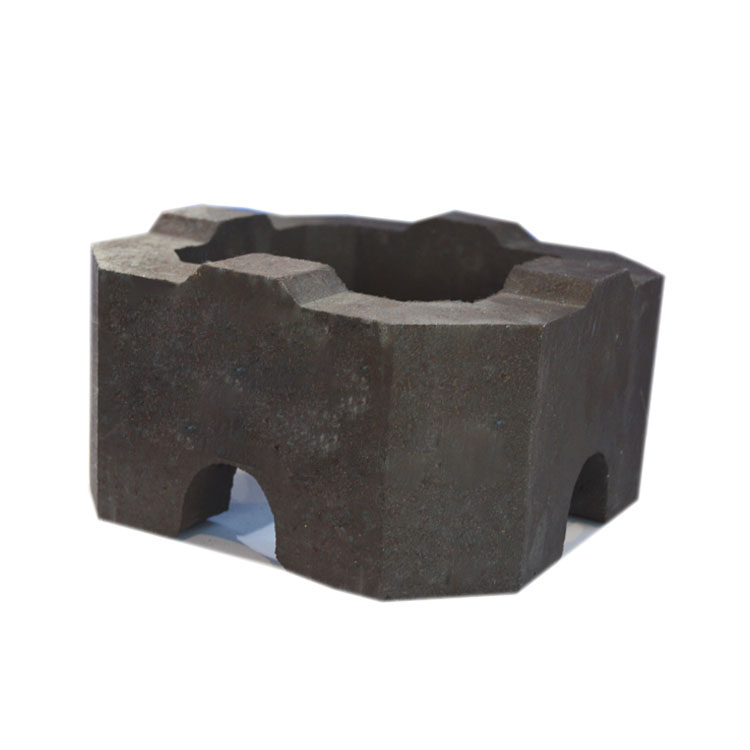
The manufacturing process of ordinary magnesia-chrome bricks involves several key steps. First, the raw materials are crushed and ground into fine powders. Then, they are mixed in a specific ratio. The addition of a small amount of additives can improve the plasticity and bonding properties of the mixture.
Next, the mixture is pressed into brick shapes under high pressure. After that, the green bricks are dried to remove moisture. Finally, they are fired at a high temperature (usually around 1600 - 1800°C) to achieve sintering. The silicate bonding formed during the firing process gives the bricks high strength and thermal shock stability.
Ordinary magnesia-chrome bricks have excellent thermal shock stability. In high-temperature industrial processes, kilns often experience rapid temperature changes. The thermal shock stability of ordinary magnesia-chrome bricks allows them to withstand these temperature fluctuations without cracking or spalling. For example, in a steelmaking furnace, the temperature can change from room temperature to over 1500°C in a short time. Ordinary magnesia-chrome bricks can maintain their integrity under such conditions, which is much better than traditional magnesia bricks.
Another significant advantage of ordinary magnesia-chrome bricks is their superior resistance to slag. In high-temperature industrial applications, slag can corrode the inner lining of kilns, causing equipment damage and reducing service life. Ordinary magnesia-chrome bricks have a dense structure and good chemical stability, which can effectively resist the erosion of slag. In a cement kiln, the slag contains various alkaline substances. Ordinary magnesia-chrome bricks can prevent the penetration of these substances, thereby extending the service life of the kiln.
| Performance Index | Ordinary Magnesia-Chrome Bricks | Traditional Magnesia Bricks |
|---|---|---|
| Thermal Shock Resistance (Number of Cycles) | ≥ 20 | ≤ 10 |
| Resistance to Slag Penetration (mm) | ≤ 5 | ≥ 10 |
Ordinary magnesia-chrome bricks are widely used in various high-temperature industrial fields:
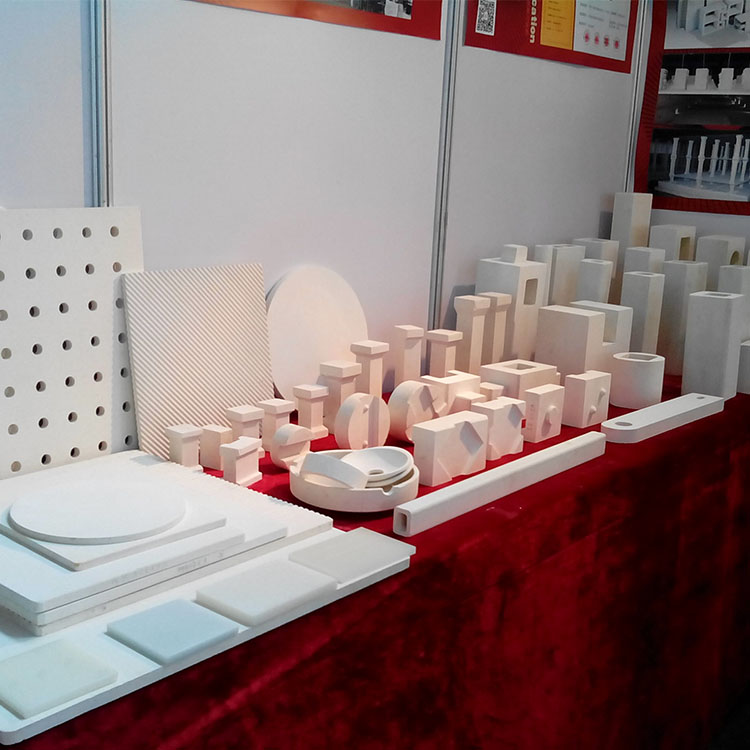
Let's take a real - world example. A steel company was facing the problem of frequent replacement of the furnace lining due to the poor performance of traditional magnesia bricks. After switching to ordinary magnesia-chrome bricks, the service life of the furnace lining was extended from 6 months to 12 months, and the production efficiency was increased by 15%. This case clearly shows the advantages of ordinary magnesia-chrome bricks in practical applications.
Ordinary magnesia-chrome bricks, with their scientific raw material ratio, advanced manufacturing process, and excellent performance advantages, are the ideal choice for high-temperature industrial applications. They can effectively solve the problem of equipment wear and tear in high-temperature environments, improve production efficiency and product quality.
Are you also facing the problem of short service life of high-temperature kilns? Welcome to leave a message and discuss. If you want to further understand the value of ordinary magnesia-chrome bricks and how they can benefit your business, click here to learn more and make a more informed decision for your high-temperature production line.