The aluminum industry has long been plagued by several pain points, including high energy consumption, frequent replacement of insulation layers, and soaring maintenance costs. These issues not only eat into profit margins but also pose challenges to sustainable development. In the quest for a more efficient and cost - effective insulation solution, vermiculite insulation boards have emerged as a game - changer.
Vermiculite insulation boards are made from natural vermiculite ore. The raw material is carefully selected and processed to achieve its remarkable properties. With a maximum service temperature of 1050℃, it can withstand the extreme heat inside electrolytic aluminum cells. The high - temperature purification mechanism is another key feature. At high temperatures, vermiculite insulation boards can self - purify, removing impurities and maintaining their performance over time.
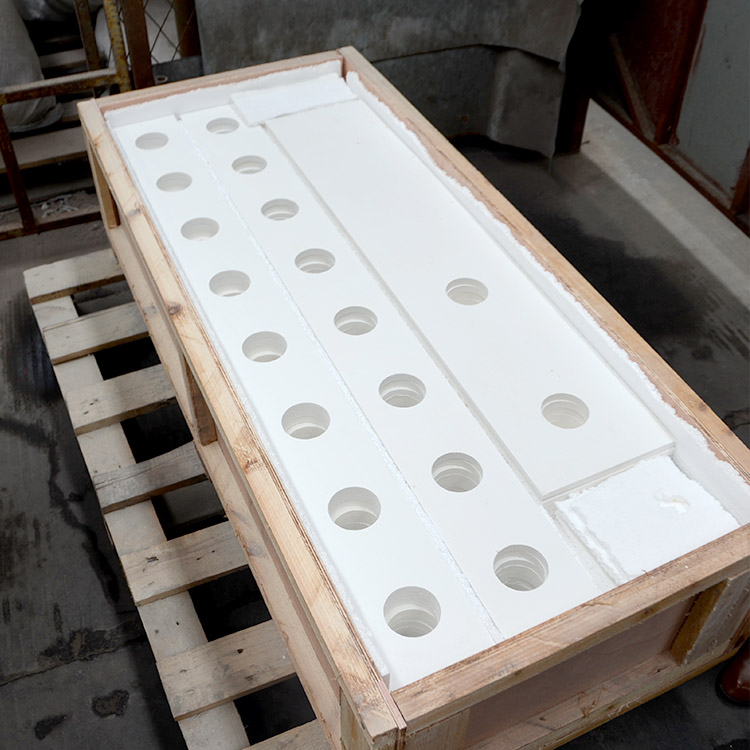
One of the most significant advantages of vermiculite insulation boards is the improvement in strength. Compared with traditional materials, they can better withstand the mechanical stress inside the electrolytic aluminum cell. The thermal conductivity of vermiculite insulation boards is significantly lower. For example, while traditional materials may have a thermal conductivity of around 0.2 - 0.3 W/(m·K), vermiculite insulation boards can reduce it to as low as 0.1 W/(m·K). This reduction in thermal conductivity means less heat loss, leading to energy savings. Moreover, the service life of electrolytic aluminum cells can be extended to over 10 years when using vermiculite insulation boards, a remarkable improvement compared to the shorter lifespans associated with traditional materials.
Let's take the aluminosilicate fiber blanket as an example of traditional materials. In terms of energy - saving efficiency, vermiculite insulation boards can achieve energy savings of up to 20% compared to aluminosilicate fiber blankets. When it comes to anti - erosion ability, vermiculite insulation boards are more resistant to fluoride corrosion. Traditional materials may be easily damaged by fluoride, leading to frequent replacements. In terms of comprehensive cost, although the initial investment in vermiculite insulation boards may be slightly higher, the long - term savings in energy costs and maintenance expenses far outweigh the initial cost. A comparison table below clearly shows these differences:
| Features | Vermiculite Insulation Boards | Aluminosilicate Fiber Blanket |
|---|---|---|
| Energy - saving Efficiency | Up to 20% | Lower |
| Anti - erosion Ability | High | Low |
| Comprehensive Cost | Lower in the long - run | Higher |
The effectiveness of vermiculite insulation boards is not just theoretical. Take a certain electrolytic aluminum plant as an example. After replacing the traditional insulation materials with vermiculite insulation boards, the plant was able to save XX million yuan in electricity costs annually. Additionally, the maintenance frequency was reduced by 70%. This real - world case clearly demonstrates the practical benefits of using vermiculite insulation boards.
"Since we installed vermiculite insulation boards in our electrolytic aluminum cells, we have seen a significant reduction in energy consumption and maintenance costs. It's truly a cost - effective solution for our business." - A manager from the electrolytic aluminum plant
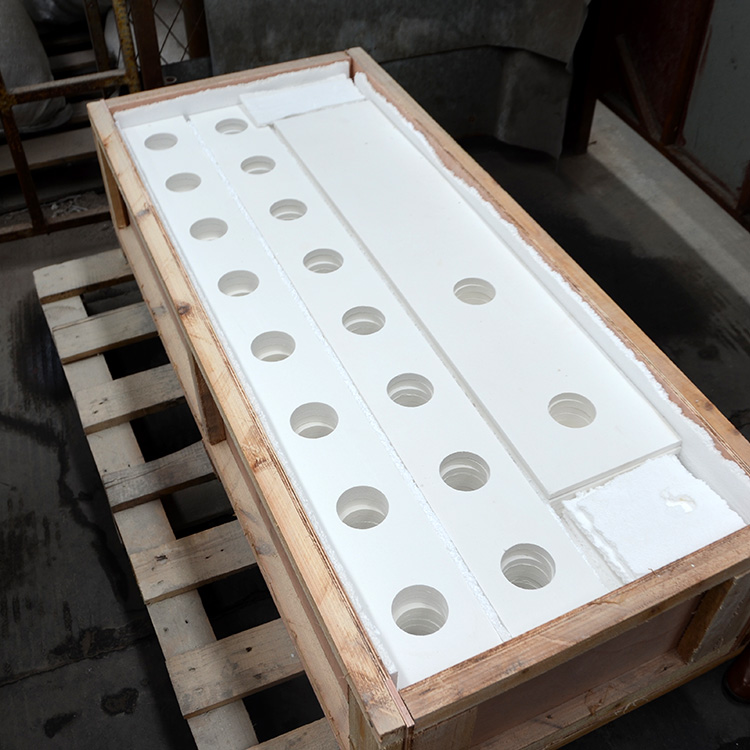
In conclusion, vermiculite insulation boards offer a comprehensive solution to the problems faced by the aluminum industry. Not only do they save electricity, but they also provide peace of mind by extending the service life of electrolytic aluminum cells and making their operation more stable. If you are looking for a reliable and efficient insulation solution for your electrolytic aluminum cells, don't miss out on the opportunity to explore the benefits of vermiculite insulation boards. Click here to get a free technical consultation and a customized solution for your specific needs.
 292
|
292
|
 silicon brick for hot blast stove
hot blast stove refractory brick
silicon brick dimensional tolerance
hot blast stove installation standard
refractory brick thermal conductivity
silicon brick for hot blast stove
hot blast stove refractory brick
silicon brick dimensional tolerance
hot blast stove installation standard
refractory brick thermal conductivity
 395
|
magnesium chrome brick
thermal shock resistance
high-temperature refractory materials
anti-corrosion refractory brick
slag-resistant refractory
395
|
magnesium chrome brick
thermal shock resistance
high-temperature refractory materials
anti-corrosion refractory brick
slag-resistant refractory
 322
|
Vermiculite insulation boards
Aluminum electrolysis energy-saving retrofit
Aluminum cell insulation materials
Sustainable development of the aluminum industry
High-performance energy-saving materials
322
|
Vermiculite insulation boards
Aluminum electrolysis energy-saving retrofit
Aluminum cell insulation materials
Sustainable development of the aluminum industry
High-performance energy-saving materials
 463
|
ordinary magnesium-chromium bricks
high-temperature refractory materials
steel industry refractory bricks
thermal shock stability
slag resistance
463
|
ordinary magnesium-chromium bricks
high-temperature refractory materials
steel industry refractory bricks
thermal shock stability
slag resistance
 351
|
Silica bricks for coke ovens
Selection guide for refractory silica bricks
Silica brick quality assessment
Factors affecting coke oven lifespan
Industrial refractory materials
351
|
Silica bricks for coke ovens
Selection guide for refractory silica bricks
Silica brick quality assessment
Factors affecting coke oven lifespan
Industrial refractory materials

.jpg?x-oss-process=image/resize,m_fill,h_200,w_200/format,webp)
.jpg?x-oss-process=image/resize,m_fill,h_200,w_200/format,webp)