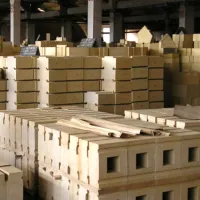
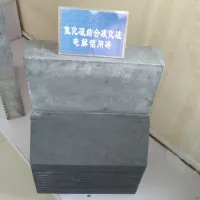
Glass furnaces operate in one of the most extreme industrial environments, subject to relentless thermal stress, chemical corrosion, and mechanical impact. As a critical component of glass manufacturing, refractory materials form the "heart" of these furnaces, yet they frequently face various failure issues that compromise operational efficiency and safety. Zhengzhou Sunrise Refractory Co., Ltd., with years of experience supplying high-performance refractory solutions to glass manufacturers worldwide, explores the common failure modes and their underlying causes.
Refractory materials serve as the first line of defense in glass furnaces, withstanding temperatures exceeding 1600°C while resisting chemical attack from molten glass, batch materials, and combustion gases. Their reliability directly impacts:
Understanding why refractories fail is essential for glass manufacturers seeking to optimize material selection, reduce downtime, and improve overall furnace performance.
Progressive material loss from refractory surfaces, particularly in areas with high flow velocities of molten glass or combustion gases.
Typical Locations:
Development of fractures in refractory linings, often leading to material detachment (spalling) and structural instability.
Typical Locations:
Degradation through chemical reactions between refractories and molten glass, batch materials, or aggressive gases.
Typical Locations:
Plastic deformation or structural collapse under prolonged high temperatures and mechanical load.
Typical Locations:
| Failure Mechanism | Primary Causes | Contributing Factors |
|---|---|---|
| Thermal Stress | Rapid temperature fluctuations, uneven heating/cooling cycles | Startup/shutdown procedures, operational instability, poor insulation |
| Chemical Attack | Reactions with molten glass, alkalis, sulfates, and volatile components | Glass composition, batch formulation, fuel type, oxidizing/reducing atmosphere |
| Mechanical Stress | Molten glass flow, thermal expansion/contraction, structural loads | Furnace design, installation quality, support system integrity, operational pressure |
| Material Degradation | Phase transformations, sintering, pore development at high temperatures | Refractory quality, chemical composition, microstructure, service temperature exceeding limits |
"Many refractory failures in glass furnaces can be traced back to improper material selection. Each furnace zone has unique requirements, and matching the right refractory properties—such as chemical resistance, thermal shock resistance, and mechanical strength—to specific operating conditions is critical for maximizing service life."— Technical Team, Zhengzhou Sunrise Refractory Co., Ltd.
Choosing inappropriate refractory materials for specific furnace zones often accelerates failure processes. Common consequences include:
Premature wear leading to unplanned maintenance and shorter campaign cycles
Higher energy consumption, material replacement costs, and downtime expenses
Contamination from degraded refractories affecting glass clarity and properties
Structural instability creating potential hazards for personnel and equipment
With decades of experience serving the global glass industry, Zhengzhou Sunrise Refractory Co., Ltd. offers tailored refractory solutions designed to address these common failure issues. Our technical team works closely with clients to analyze operating conditions, identify risk factors, and recommend optimal refractory materials—including our high-performance electrocast AZS bricks, mullite bricks, and corundum bricks—engineered to withstand the most demanding glass furnace environments.
By understanding the root causes of refractory failure, glass manufacturers can make informed decisions that enhance furnace performance, reduce operational risks, and achieve greater long-term efficiency.

 33
|
33
|
 coke oven silica bricks
high silica content
refractory performance
thermal shock stability
Sunrise silica bricks
coke oven silica bricks
high silica content
refractory performance
thermal shock stability
Sunrise silica bricks
 325
|
hot stove conductive silica brick
blast furnace refractory upgrade
silica brick performance advantages
blast furnace wind temperature solution
refractory material innovation
258
|
high thermal conductivity silica bricks
uniform pore distribution
thermal performance enhancement
refractory material technology
industrial energy saving
413
|
high thermal conductivity silica bricks
industrial kiln energy efficiency
silica brick structure optimization
thermal conductivity enhancement
Sunrise refractories
303
|
coke oven silica bricks
high-purity silica dioxide
refractory materials
coke oven longevity
thermal shock stability
325
|
hot stove conductive silica brick
blast furnace refractory upgrade
silica brick performance advantages
blast furnace wind temperature solution
refractory material innovation
258
|
high thermal conductivity silica bricks
uniform pore distribution
thermal performance enhancement
refractory material technology
industrial energy saving
413
|
high thermal conductivity silica bricks
industrial kiln energy efficiency
silica brick structure optimization
thermal conductivity enhancement
Sunrise refractories
303
|
coke oven silica bricks
high-purity silica dioxide
refractory materials
coke oven longevity
thermal shock stability