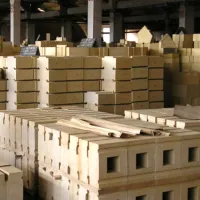
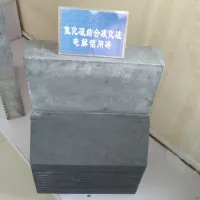
Glass furnaces operate in some of the most demanding industrial environments, where extreme temperatures, chemical reactions, and mechanical stress continuously challenge the integrity of refractory materials. As a leading manufacturer of high-performance refractories for glass industry applications, Zhengzhou Sunrise Refractory Co., Ltd. understands the critical factors that contribute to refractory erosion and failure. This analysis explores the primary causes behind glass furnace degradation, providing valuable insights for manufacturers seeking to optimize furnace performance and extend operational lifespan.
Refractory materials serve as the "heart" of glass furnaces, creating the essential environment for melting raw materials at temperatures exceeding 1500°C. Their performance directly impacts furnace efficiency, glass quality, maintenance frequency, and overall production costs. Understanding failure mechanisms is key to selecting appropriate materials and implementing effective maintenance strategies.
The glass melt, containing alkalis (Na₂O, K₂O), silica, and various metal oxides, acts as a powerful corrosive agent at operating temperatures. This chemical attack occurs through several mechanisms:
Different furnace zones experience varying corrosion intensities, with the hottest areas (melting tank, throat, and regenerators) typically suffering the most severe attack.
Glass furnace operation involves inevitable temperature fluctuations from startup, shutdown, production adjustments, and maintenance cycles. These thermal variations create internal stresses within refractory materials:
Refractories with low thermal expansion coefficients and high thermal conductivity generally exhibit better resistance to thermal shock-related failures.
Physical forces within the furnace contribute significantly to refractory wear:
Refractory failure often stems from inappropriate material selection or quality concerns:
Understanding these failure mechanisms enables proactive measures to extend furnace life and reduce maintenance costs:
With decades of experience supplying refractories to glass manufacturers worldwide, Zhengzhou Sunrise Refractory Co., Ltd. offers specialized solutions tailored to address these common failure modes. Our product range includes high-performance电熔AZS bricks, fused cast alumina blocks, and specialized refractories designed to withstand the harshest glass furnace environments.
By combining advanced material science with practical industry knowledge, we help customers optimize refractory performance, reduce downtime, and improve overall furnace efficiency. Our technical team provides comprehensive support, from material selection and furnace design consultation to installation guidance and performance monitoring.
"The key to maximizing glass furnace lifespan lies in understanding the unique erosion challenges of each operation and implementing targeted refractory solutions. At Zhengzhou Sunrise Refractory, we're committed to providing the expertise and materials that keep your furnace operating at peak performance."
For more information on how to address refractory erosion in your glass furnace, contact our technical team today.

 139
|
139
|
 glass furnace refractory material
refractory material classification
application scenarios
material selection knowledge
Zhengzhou Sunrise Refractory
glass furnace refractory material
refractory material classification
application scenarios
material selection knowledge
Zhengzhou Sunrise Refractory
 429
|
high thermal conductivity silica bricks
silica brick structural innovation
industrial thermal materials
energy efficiency
Sunrise industrial materials
429
|
high thermal conductivity silica bricks
silica brick structural innovation
industrial thermal materials
energy efficiency
Sunrise industrial materials
 265
|
vermiculite insulation panel
aluminum cell corrosion resistance
electrolytic aluminum furnace insulation
high temperature insulation material
aluminum industry energy saving
265
|
vermiculite insulation panel
aluminum cell corrosion resistance
electrolytic aluminum furnace insulation
high temperature insulation material
aluminum industry energy saving
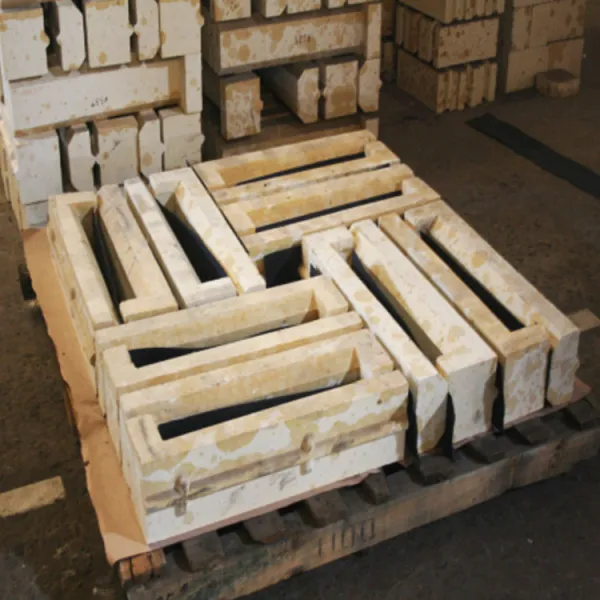 484
|
coke oven silica bricks
high purity silica dioxide
refractory materials
coke oven lifespan
silica brick performance
109
|
glass furnace solutions
refractory material configuration
project experience
refractory application
Zhengzhou Sunrise Refractory Co., Ltd.
484
|
coke oven silica bricks
high purity silica dioxide
refractory materials
coke oven lifespan
silica brick performance
109
|
glass furnace solutions
refractory material configuration
project experience
refractory application
Zhengzhou Sunrise Refractory Co., Ltd.