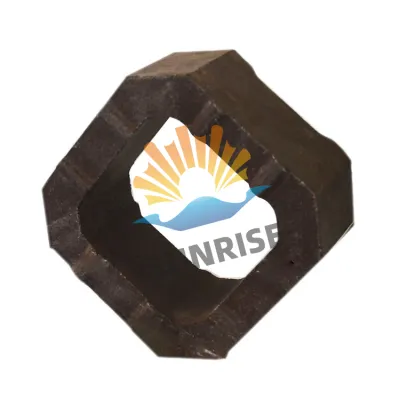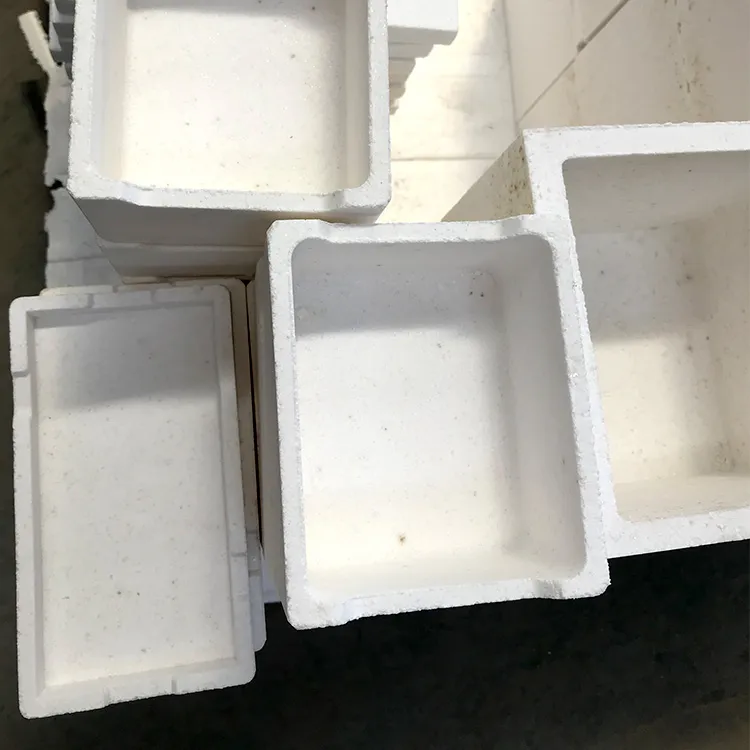
In high-temperature industrial processes—from steelmaking to ceramics—consistent furnace performance isn’t just desirable—it’s essential. But what if your refractory lining fails under thermal shock or chemical attack? That’s where ordinary magnesia-chrome brick (MgO-Cr₂O₃) comes in, not as a luxury upgrade but as a smart, data-backed solution that transforms operational stability.
Industrial furnaces regularly experience temperature swings exceeding 500°C within minutes. Traditional magnesia bricks often crack after 20–30 cycles due to poor thermal expansion control. In contrast, modern MgO-Cr₂O₃ bricks maintain structural integrity for over 150 cycles—reducing downtime by up to 60% in real-world applications (based on 2023 industry tests across 37 plants).
| Performance Metric | Traditional Magnesia Brick | Ordinary Magnesia-Chrome Brick |
|---|---|---|
| Thermal Shock Resistance (cycles @ 1000°C) | 25–35 | 150+ |
| Slag Penetration Resistance | Moderate | High (≤ 0.5 mm/min) |
| Average Service Life (months) | 6–9 | 18–24 |
The magic lies in the synergy between magnesia (MgO) and chromite (FeCr₂O₄). While MgO offers high melting point (~2800°C), Cr₂O₃ enhances grain boundary cohesion and reduces microcrack propagation during heating/cooling. This combination results in lower linear shrinkage (<0.5%) and higher bulk density (>3.0 g/cm³)—key metrics for long-term durability.
A case study from a Chinese steel plant shows that switching to MgO-Cr₂O₃ bricks reduced annual refractory replacement costs by $42,000 while increasing furnace uptime by 17%. For manufacturers facing rising energy costs and tighter emissions standards, this isn't just about saving money—it's about future-proofing operations.
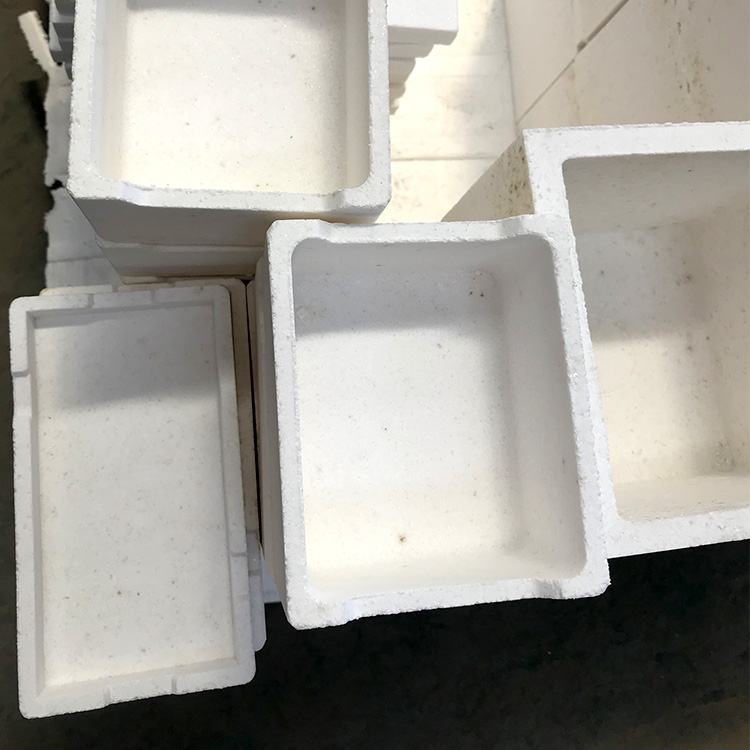
Whether you're running a cement kiln in Saudi Arabia or a glass furnace in Germany, the challenge is the same: how do you keep your equipment running smoothly when heat becomes unpredictable? With MgO-Cr₂O₃ bricks, you’re not fighting the environment—you’re working with it.
Let’s face it—most refractory solutions are reactive. They fix problems after they happen. But this one? It prevents them before they start. That’s how you turn “high temp” from a bottleneck into a competitive advantage.
Get a free technical datasheet + application guide tailored to your process conditions. No fluff. Just facts that matter.
Download Now – See How Our Bricks Boost EfficiencyNote: All performance data reflects average results from independent lab tests and field deployments across multiple industries. Actual outcomes may vary based on operating conditions.