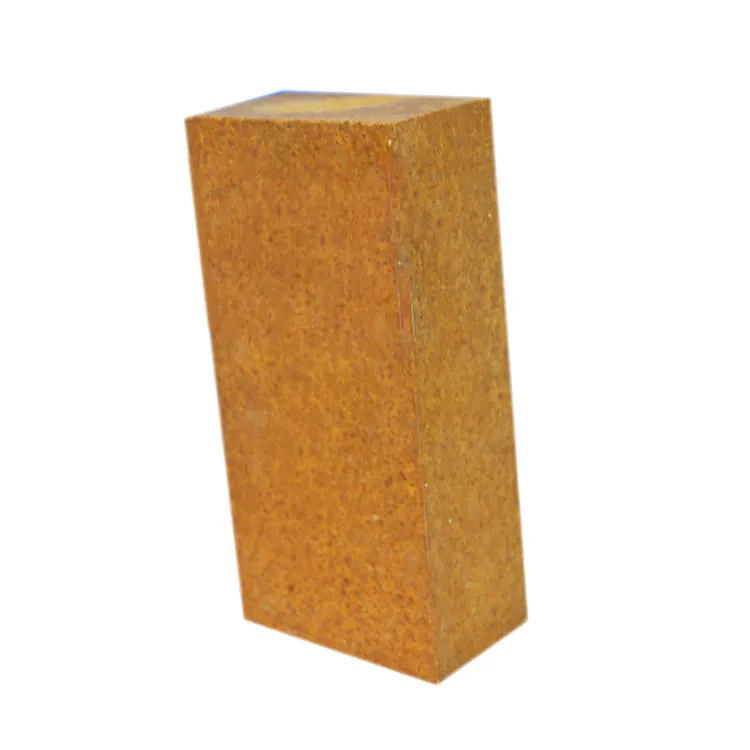
In the aluminum industry, the corrosion of electrolytic aluminum cells has long been a critical issue. Chemical erosion, especially from fluorides and cryolite, poses a significant threat to the normal operation of aluminum cells. These corrosive substances can cause damage to the lining of the cell, leading to shortened service life, increased maintenance costs, and reduced energy efficiency.
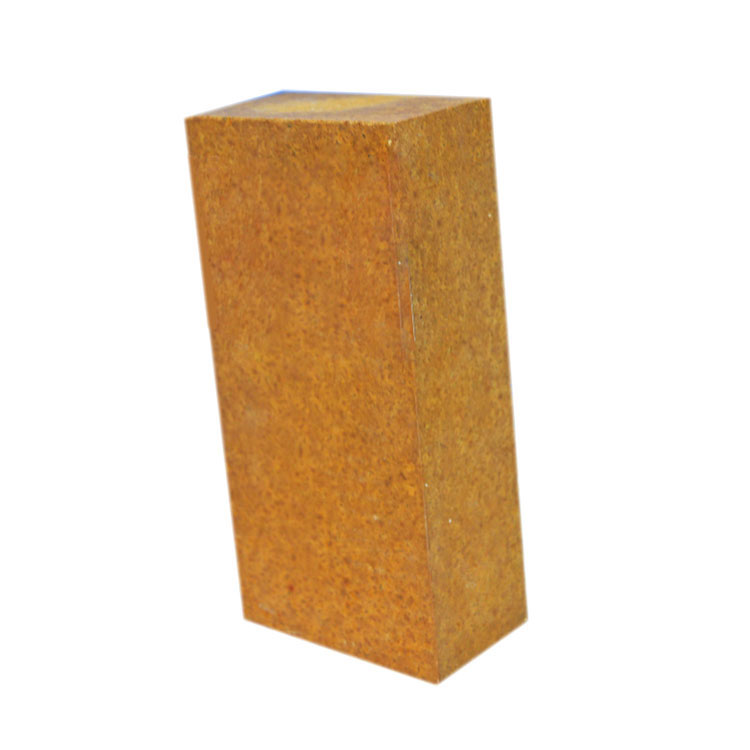
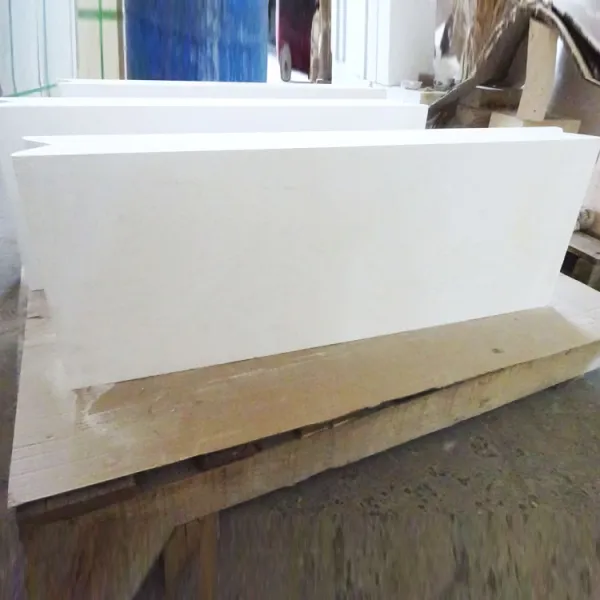
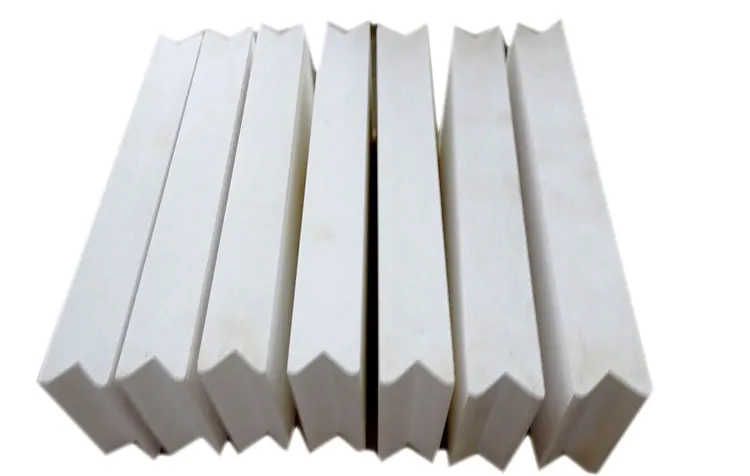
Vermiculite insulation boards are made from high - quality vermiculite raw materials. The unique structure of vermiculite provides it with excellent heat - insulation and chemical - resistance properties. The raw material structure of vermiculite insulation boards allows it to withstand high temperatures of up to 1200°C. In high - temperature environments, it can also play a role in purifying the internal environment of the aluminum cell, reducing the impact of harmful substances on the cell lining.
The key to the performance of vermiculite insulation boards lies in their unique formula and advanced processing technology. The special formula enables the board to effectively resist the erosion of fluorides and cryolite. According to laboratory tests, in an environment with a high concentration of fluorides and cryolite, the corrosion rate of vermiculite insulation boards is less than 5% per year, while ordinary insulation materials may be corroded by more than 20% in the same period.
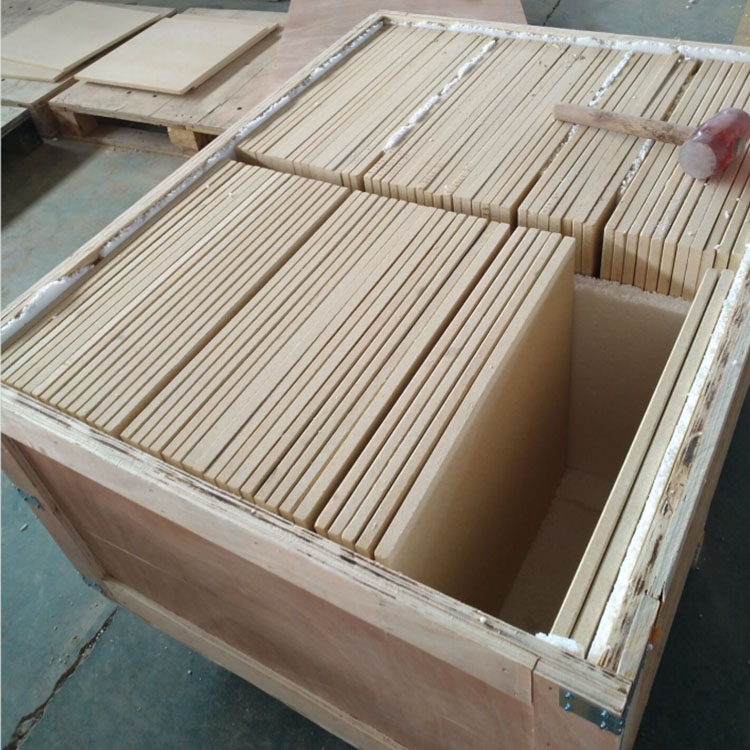
In addition, vermiculite insulation boards have excellent anti - thermal wetting properties. They can prevent molten aluminum from wetting the lining of the cell, thus protecting the cell structure. This property is crucial for maintaining the stability of the electrolytic process and reducing the occurrence of cell leakage accidents.
By comparing the use of electrolytic aluminum cells with and without vermiculite insulation boards, the significant advantages are obvious. Without vermiculite insulation boards, the average service life of an electrolytic aluminum cell is about 5 - 7 years. However, after installing vermiculite insulation boards, the service life can be extended to more than 10 years. This directly reduces the frequency of cell replacement and the corresponding maintenance costs.
For example, a large - scale aluminum smelter in the United States used vermiculite insulation boards in its new production line. After three years of operation, the maintenance cost of the aluminum cells was reduced by 30% compared with the previous production line. At the same time, the production stability was significantly improved, and the annual production downtime was reduced from 30 days to less than 10 days.
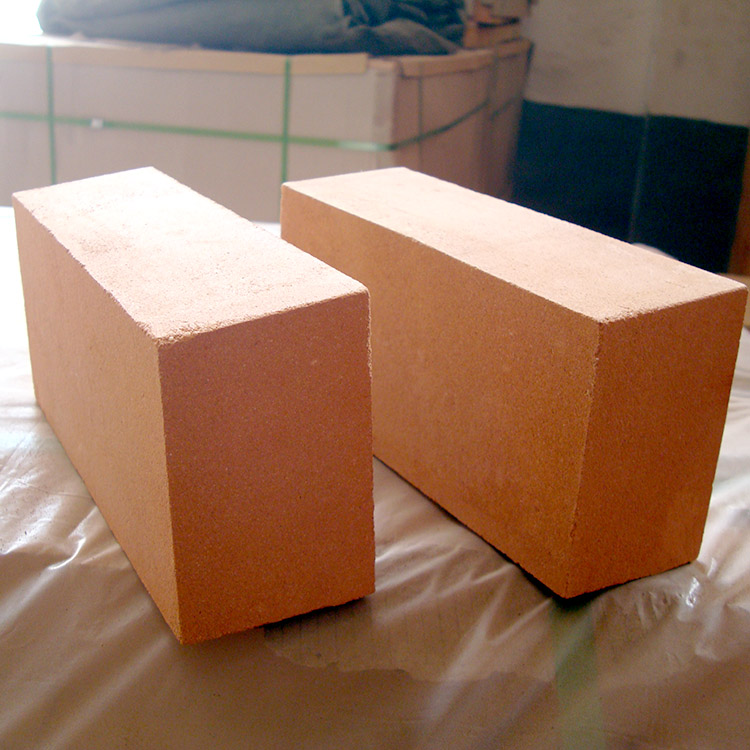
The use of vermiculite insulation boards also brings comprehensive benefits in production stability and energy conservation. With a longer service life and better anti - corrosion performance, the electrolytic process becomes more stable, which can improve the quality and yield of aluminum products. In terms of energy conservation, vermiculite insulation boards can reduce heat loss, thereby reducing the energy consumption of the aluminum smelting process. Studies have shown that using vermiculite insulation boards can save about 15% of energy in the aluminum smelting process.
In conclusion, vermiculite insulation boards are an ideal choice for aluminum industrial enterprises to improve the performance and economy of electrolytic aluminum cells. If you are looking for a solution to enhance the corrosion resistance of your electrolytic aluminum cells and reduce costs, click here to learn more about our high - performance vermiculite insulation boards.
 328
|
328
|
 thermal silicon brick for hot blast stoves
high alumina brick performance comparison
refractory material life span data
hot blast stove refractory solutions
silicon brick vs high alumina brick
thermal silicon brick for hot blast stoves
high alumina brick performance comparison
refractory material life span data
hot blast stove refractory solutions
silicon brick vs high alumina brick
 122
|
common magnesia chrome bricks
thermal shock resistance
refractory materials
high-temperature industry
magnesia bricks comparison
122
|
common magnesia chrome bricks
thermal shock resistance
refractory materials
high-temperature industry
magnesia bricks comparison
 173
|
Silicon Nitride-Bonded Silicon Carbide Bricks
Premium Refractory Materials
Performance Advantages
International Recognition
Market Presence
173
|
Silicon Nitride-Bonded Silicon Carbide Bricks
Premium Refractory Materials
Performance Advantages
International Recognition
Market Presence
 187
|
Silica bricks for hot blast stoves
Replacement of fireclay bricks by silica bricks
Refractory materials for blast furnaces
Silica bricks with thermal conductivity
Trends of high - temperature refractory bricks
187
|
Silica bricks for hot blast stoves
Replacement of fireclay bricks by silica bricks
Refractory materials for blast furnaces
Silica bricks with thermal conductivity
Trends of high - temperature refractory bricks
 171
|
magnesium chrome brick
cement kiln refractory
high temperature refractory brick
refractory performance comparison
kiln lining solution
171
|
magnesium chrome brick
cement kiln refractory
high temperature refractory brick
refractory performance comparison
kiln lining solution







.jpg?x-oss-process=image/resize,m_fill,h_200,w_200/format,webp)