Refractories are integral to various industrial processes, especially those involving high temperatures. They serve as a protective shield for equipment, ensuring safe and efficient operations in industries like metallurgy, cement production, and glass manufacturing. Before the mid - 20th century, traditional magnesia - chrome bricks were the go - to refractory materials in many high - temperature applications.
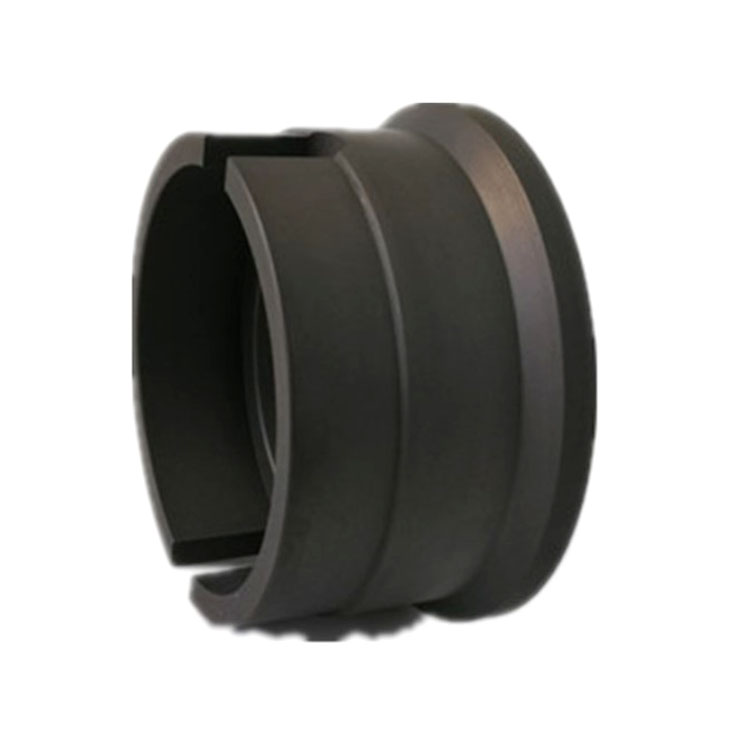
In the pre - 1950s, two main types of traditional magnesia - chrome bricks were commonly used. One type suffered from the reaction of iron oxide spinel, which led to the material becoming loose over time. Non - fired magnesia - chrome bricks, on the other hand, had good thermal stability but poor high - temperature strength. This meant that in high - temperature industrial furnaces, these bricks could not maintain their structural integrity, leading to frequent maintenance and replacement, and increased production costs for enterprises.
In the 20th century, as the demand for more advanced refractory materials grew, researchers developed direct - bonded magnesia - chrome bricks. The R & D logic behind these bricks focused on improving high - temperature strength and overall durability. Through process improvements such as high - temperature firing and controlling the composition of raw materials, direct - bonded magnesia - chrome bricks were created.
A suggested information chart would be a production process flowchart of direct - bonded magnesia - chrome bricks, which can clearly show how raw materials are transformed into high - quality refractory products through various steps like batching, mixing, molding, and firing. This visual aid can help readers better understand the technical complexity and precision of the manufacturing process.
.jpg)
When comparing direct - bonded magnesia - chrome bricks with traditional magnesia - chrome bricks, multiple dimensions need to be considered:
Direct - bonded magnesia - chrome bricks have significantly higher high - temperature strength. They can withstand extreme temperatures without significant deformation, which is crucial for long - term use in high - temperature industrial furnaces. In contrast, traditional non - fired magnesia - chrome bricks start to lose their strength under high - temperature conditions.
These bricks also offer excellent thermal shock stability. They can adapt to rapid temperature changes without cracking or spalling, ensuring continuous and stable operation of industrial equipment.
The service life of direct - bonded magnesia - chrome bricks is much longer. In a typical iron and steel plant, the use of direct - bonded magnesia - chrome bricks as furnace linings can extend the service life of the furnace by more than 30% compared with traditional magnesia - chrome bricks. This greatly reduces the frequency of furnace maintenance and replacement, thereby saving a lot of time and cost for enterprises.
In the steel industry, many steel mills have switched to direct - bonded magnesia - chrome bricks for their furnace linings. For example, [Company Name] saw a significant improvement in furnace performance after the replacement. The longer service life of the furnace lining not only reduced maintenance costs but also increased the production efficiency.
In the cement industry, direct - bonded magnesia - chrome bricks are used in rotary kilns. A cement plant reported that the use of these bricks improved the stability of the kiln operation and reduced the downtime caused by refractory material failure.
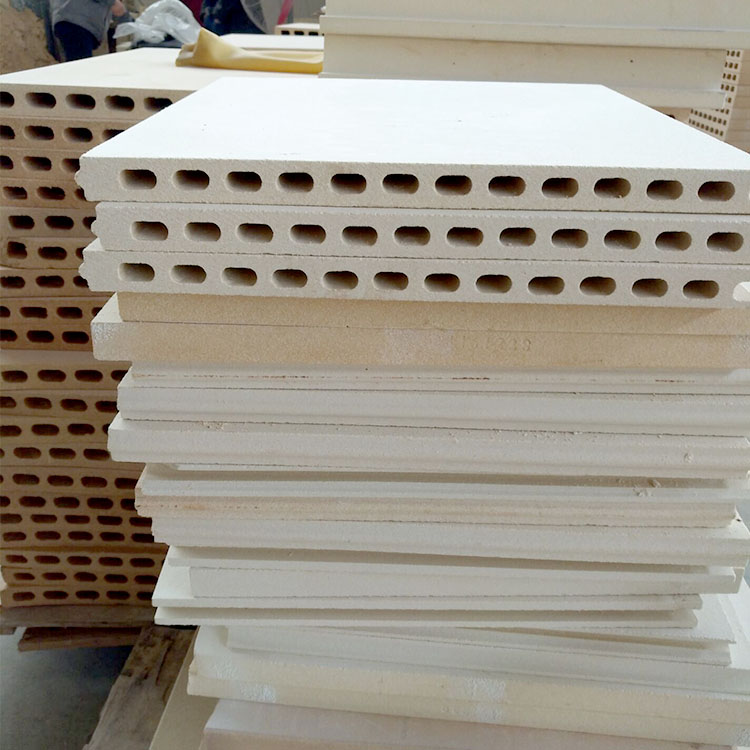
Direct - bonded magnesia - chrome bricks represent a revolutionary breakthrough in the refractory industry. They have promoted the upgrading of the entire refractory material industry, enabling enterprises to achieve more efficient and cost - effective production.
According to a leading industry expert, "Direct - bonded magnesia - chrome bricks are a game - changer in the high - temperature refractory field. Their excellent performance has set a new standard for the industry." With the continuous development of high - temperature industries, the application prospects of direct - bonded magnesia - chrome bricks are very broad.
Let your kilns be more durable and hassle - free! Choose direct - bonded magnesia - chrome bricks, and you're choosing a stable and efficient production guarantee! Click here to learn more